
How to Select the Right Industrial Food Mixer for Your Production Line
How to Select the Right Industrial Food Mixer for Your Production Line
Key Factors to Consider When Selecting an Industrial Food Mixer
Choosing the right industrial food mixer requires careful evaluation of your production requirements. The ideal machine should match your daily output volume, product types, and operational workflow. Consider these critical aspects:
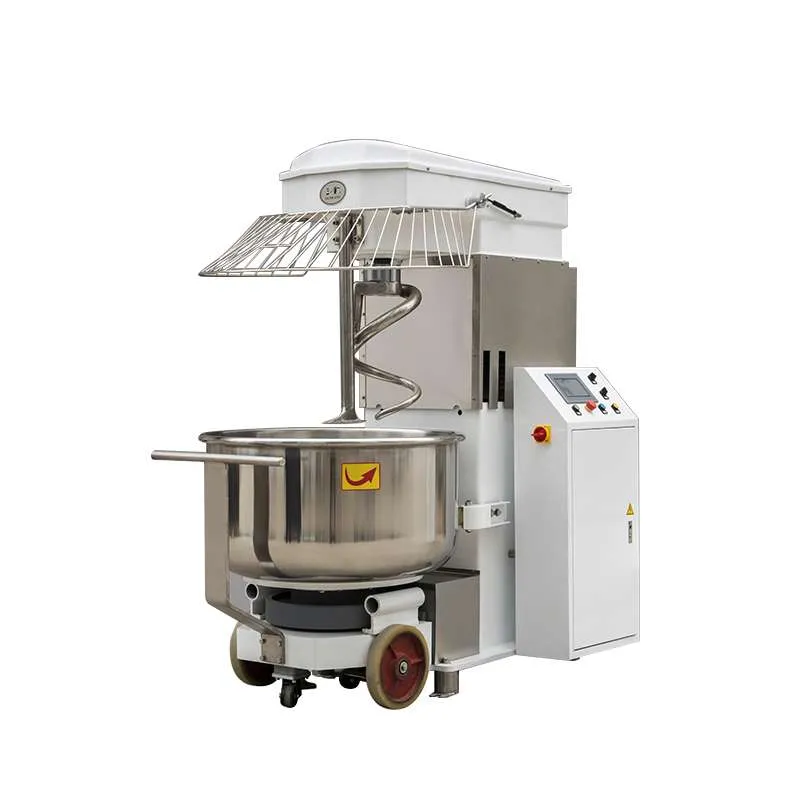
For bakeries processing 100-200kg batches, a Bakery Equipment 125kg 150kg Kneader Spiral Dough Mixer with 210/105 rpm dual-speed operation offers optimal dough development. The 320L mixing bowl capacity accommodates expansion during fermentation while maintaining consistent gluten formation.
Mixing Technologies Compared
Different mixer types serve specific applications in food production. Understanding their mechanical differences ensures proper equipment selection:
- Spiral Mixers: Ideal for elastic doughs (bread, pizza) with gentle kneading action that preserves gluten structure
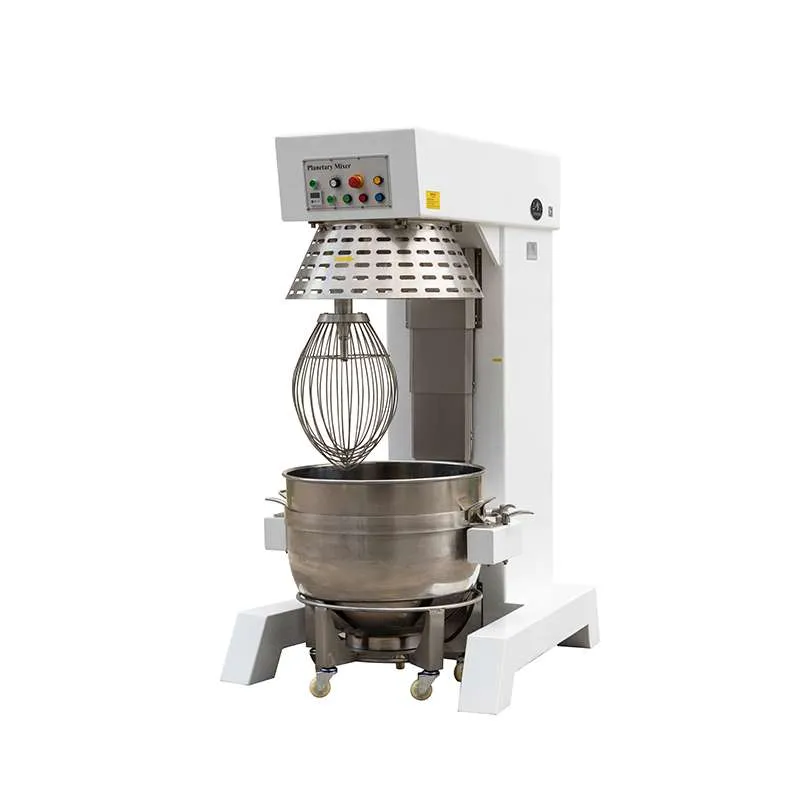
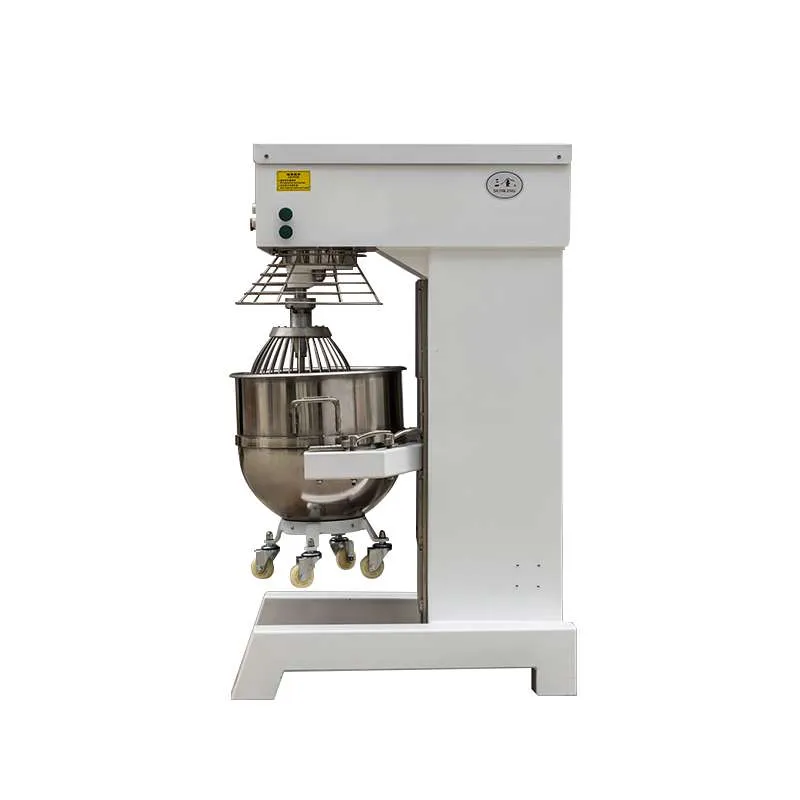
- Planetary Mixers: Versatile for batters, icings, and medium-density doughs with interchangeable attachments
- Horizontal Shaft Mixers: High-capacity units for viscous products like meat blends or heavy doughs
Spiral Mixer Technical Advantages
Modern spiral mixers incorporate advanced features that enhance food safety and operational efficiency. The SKM-125ST model exemplifies this with:
- PLC touch screen control storing 20 programmable mixing profiles
- Automatic water dosing system with ±1% measurement accuracy
- Hydraulic locking mechanism ensuring bowl stability during operation
Safety and Compliance Features
Industrial food processing equipment must meet stringent safety standards. Key protective systems include:
High-grade stainless steel construction (AISI 304 or 316) ensures compliance with food contact surface regulations. The material's non-porous surface prevents bacterial growth and withstands frequent sanitation cycles.
Operational Efficiency Considerations
Maximizing production line throughput requires evaluating these performance metrics:
- Cycle Time: 8-12 minutes for standard bread dough development
- Changeover Time: Under 5 minutes for bowl removal/installation
- Energy Consumption: 0.8-1.2kWh per 100kg batch for efficient models
Automation Integration
Programmable logic controllers (PLCs) enable precise repeatability. Advanced systems offer:
- Recipe memory for 20+ product variations
- Automatic ingredient sequencing
- Real-time torque monitoring
Maintenance and Service Requirements
Proper maintenance extends equipment lifespan and prevents production downtime. Implement these practices:
- Daily inspection of mixing hooks for wear (replace at 2mm deformation)
- Weekly lubrication of bearings (food-grade grease recommended)
- Monthly verification of safety interlocks
Technical Support Availability
Verify supplier support capabilities before purchase:
- On-site service response within 48 hours
- Availability of wear parts inventory
- Operator training programs
Making Your Final Selection
Combine technical specifications with hands-on evaluation:
- Request product samples mixed on candidate equipment
- Verify energy efficiency ratings
- Assess cleaning accessibility (CIP systems preferred)
- Confirm warranty terms (minimum 2 years recommended)
For bakeries requiring consistent dough quality at 125-150kg capacities, the Bakery Equipment 125kg 150kg Kneader Spiral Dough Mixer delivers reliable performance with its microcomputer-controlled kneading programs and imported stainless steel components.
Frequently Asked Questions
How often should industrial mixer blades be replaced?
Spiral mixer hooks typically last 18-24 months with proper maintenance. Inspect monthly for wear, replacing when deformation exceeds 2mm or surface scratches compromise cleaning effectiveness.
What power supply is required for 100kg+ capacity mixers?
Most industrial models require 380V three-phase power. The SKM-125ST operates at 380V with 7.5kW power consumption, delivering 210 rpm for intensive mixing and 105 rpm for gentle kneading.
Can mixers handle different dough hydration levels?
Advanced models feature adjustable water dosing systems accommodating 40-75% hydration. Programmable units store separate profiles for each recipe, ensuring consistent results across product lines.
Conclusion and Next Steps
Selecting the optimal industrial food mixer requires balancing production needs with technical capabilities. Prioritize food-grade materials, safety features, and operational efficiency when evaluating equipment. For operations processing 125-150kg batches, spiral mixers with programmable controls offer superior dough development and workflow integration.
Consult with equipment specialists to analyze your specific product characteristics and production targets. Request performance demonstrations and detailed maintenance plans to ensure long-term reliability and return on investment.
News List
- Spiral dough mixer capacity gaps that affect daily outputMay 09, 2026
- Is a 10kg dough spiral mixer too small for commercial use?May 09, 2026
- Mixer dough spiral issues that often lead to uneven kneadingMay 09, 2026
- What makes a planetary mixer easier to clean after wet mixes?May 09, 2026
- Why 20 liter planetary mixers are popular in test kitchensMay 09, 2026
- Spiral dough mixer energy use vs output: what really mattersMay 09, 2026
Best-Selling Products
 Industrial Commercial mixer cake Dough Mixer planetary mixer for sale
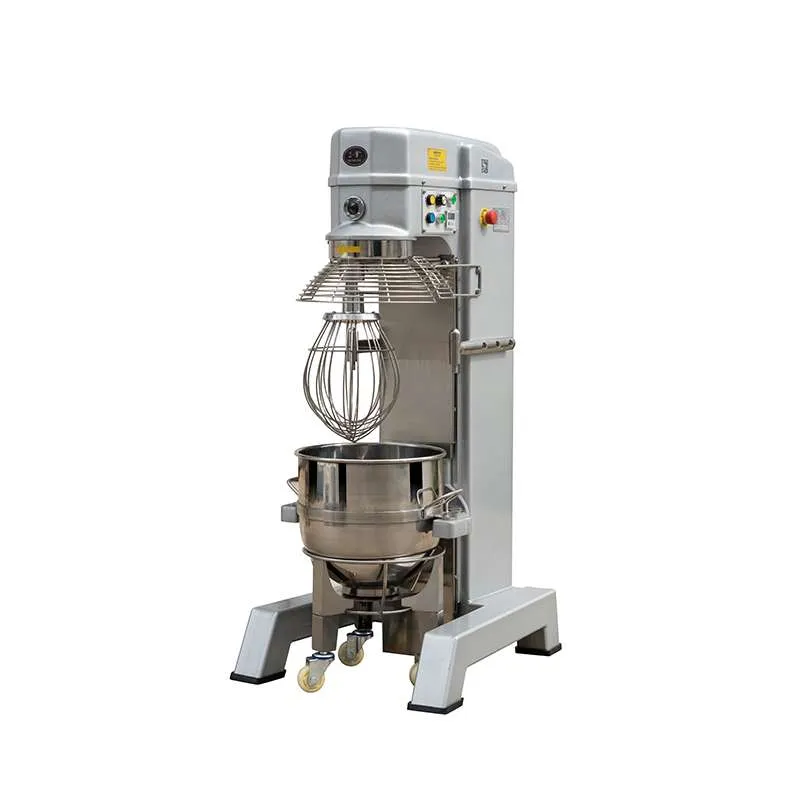
 Hot Selling SKM-60L 80L 100L Stainless Steel Planetary Mixer
 Bakery Equipment 125kg 150kg Kneader Spiral Dough Mixer
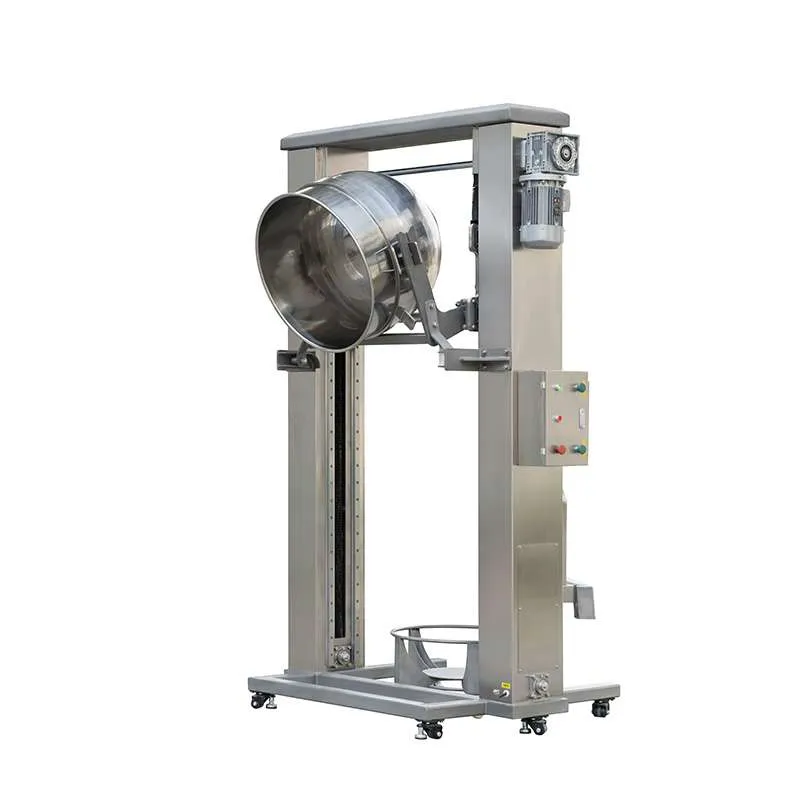
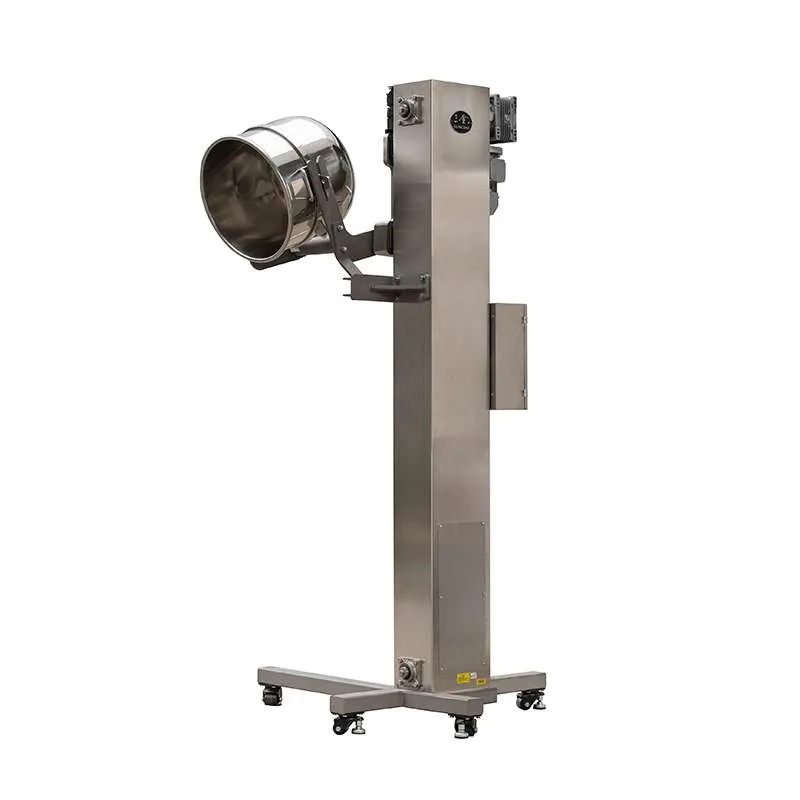
 Double Columns Lifting Machine
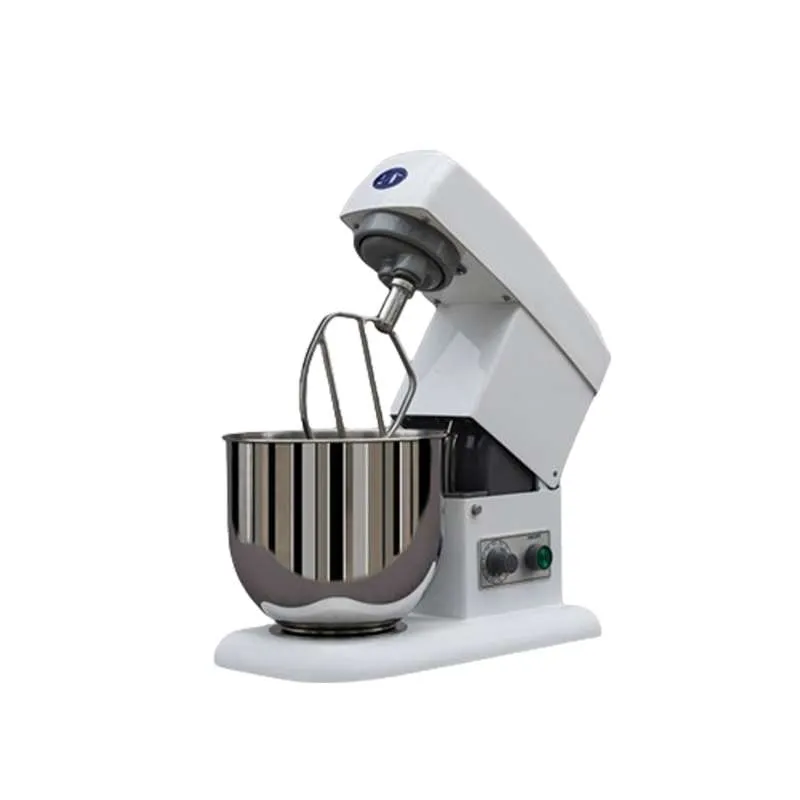
 7L 600W Electric Mixer Stand Mixer Bread Mixer
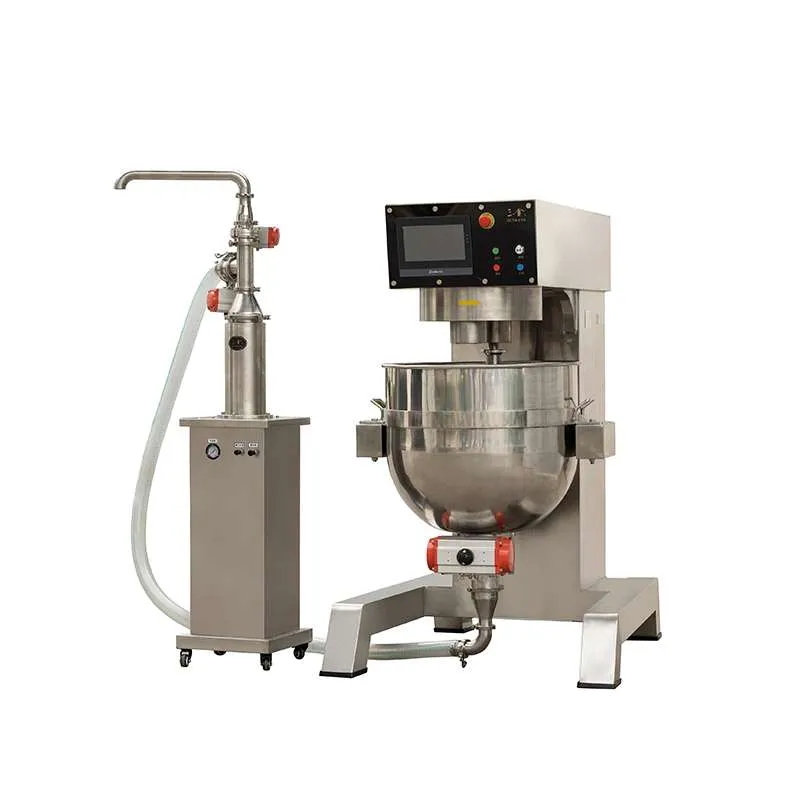
 Piston Pump For Planetary Mixer
 Mobile Planetary Mixer With Mobile Platform And Customizable Height
 2024 Kitchen Mixer With One Ball Commercial Appliances Planetary Mixer
Leave Us a Message
Send us a Message
A dedicated person will follow up on your needs one-on-one and provide personalized customized solutions according
to your needs.
Get In Touch
We look forward to hearing from you for in-depth communication on how to fulfill your mixing requirements.
Please give us a message