
Spiral dough mixer energy use vs output: what really matters
Spiral dough mixer energy use vs output: what really matters
When evaluating a spiral dough mixer, finance decision-makers should look beyond rated power alone. What really matters is how energy use translates into consistent dough quality, batch capacity, labor efficiency, and long-term operating cost. In baking and food processing lines, the wrong comparison method can make a machine look efficient on paper while underperforming in real production. This article explains how to compare output against electricity consumption, so a spiral dough mixer investment supports production targets, process stability, and budget control.
Why energy use must be judged against real output
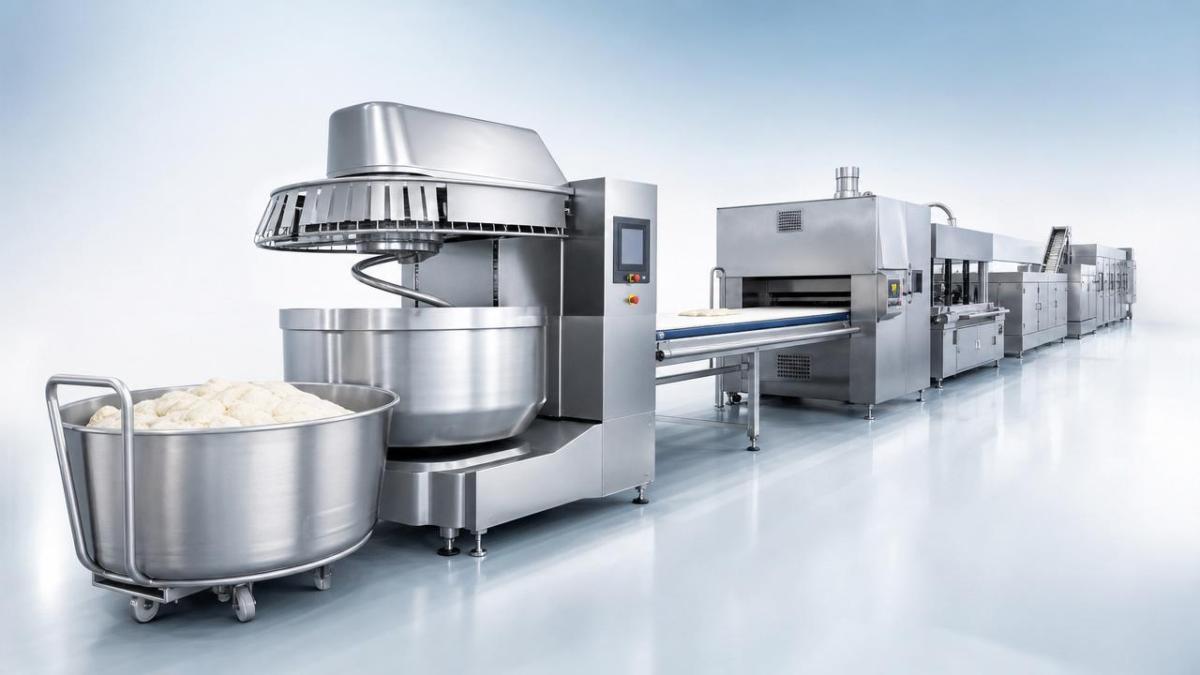
A spiral dough mixer does not create value by using less power in isolation. It creates value by converting electricity into usable dough volume with stable gluten development, repeatable temperature control, and fewer operator corrections. In food equipment evaluation, especially in bakeries and dough preparation areas connected to proofing, drying, or downstream thermal processing, output quality is as important as motor data.
This is why a lower-kilowatt machine is not automatically the better choice. If it takes longer to complete a batch, requires more rework, or limits hydration consistency, the total cost per kilogram of finished dough can end up higher. A practical comparison should focus on energy per batch, energy per kilogram of dough, cycle time, dough temperature rise, and how well the mixer fits the rest of the production flow.
Use this checklist when comparing spiral dough mixer energy use vs output
The most useful way to assess a spiral dough mixer is to apply the same set of checks to every candidate model. This keeps the evaluation grounded in measurable production results rather than brochure claims.
- Check rated power together with actual mixing time, because a lower-power mixer that runs much longer may consume more electricity per completed batch.
- Measure output in kilograms of finished dough per hour, not just bowl size, since usable hourly throughput determines real production efficiency.
- Compare energy consumption per kilogram of dough under the same recipe, hydration, flour type, and ambient temperature conditions.
- Review dough quality consistency across repeated batches, including gluten strength, smoothness, gas retention, and final dough temperature.
- Confirm whether the mixer reaches target dough development without excessive friction heat, which can affect fermentation and downstream baking results.
- Look at the effective load range, because a spiral dough mixer may be efficient at full load but wasteful at partial loads.
- Check motor and transmission design for torque stability, since stronger low-speed performance can shorten mixing time for heavy doughs.
- Evaluate labor impact, including loading, unloading, cleaning, and recipe switching, because operating efficiency affects total production cost.
- Review service life of wear parts and maintenance intervals, as mechanical losses and downtime can increase effective energy cost.
- Verify compatibility with the wider line, especially where dough handling connects to fermentation, shaping, drying, or baking processes.
The key metrics that reveal what really matters
When comparing a spiral dough mixer, five metrics usually matter more than nameplate power alone. First is kWh per batch. This tells you the actual electrical cost of one production cycle. Second is kWh per kilogram of dough, which is often the fairest basis for model-to-model comparison. Third is batch time, because shorter cycles can improve line balance and labor efficiency. Fourth is dough quality stability, since a machine that produces fewer off-spec batches saves hidden cost. Fifth is usable hourly output, because some machines lose efficiency when recipe complexity increases.
These metrics are especially relevant in integrated food equipment environments. Dough preparation may influence oven loading schedules, tray handling, intermediate holding, and even moisture management before thermal processing. If the spiral dough mixer becomes a bottleneck, downstream equipment utilization falls. In other words, the most energy-efficient machine is often the one that maintains smooth product flow, not simply the one with the smallest motor rating.
A simple comparison formula
Use this basic equation during trials: total energy used for one batch divided by net dough output in kilograms. Then compare that figure across machines using the same recipe and process settings. Add a second calculation for labor minutes per batch. A spiral dough mixer that uses slightly more electricity but saves time and reduces waste may still deliver the lower total operating cost.
How different production scenarios change the right decision
A good spiral dough mixer choice depends on the application. Energy efficiency and output should always be evaluated in context.
Small and medium bakery production
In smaller operations, recipes often change frequently and batch sizes vary. Here, part-load efficiency, quick cleaning, and predictable dough development are more important than peak hourly output. A mixer with stable performance across different dough types may provide better value than one optimized only for maximum capacity.
Check whether the spiral dough mixer handles both lean and enriched dough without large differences in cycle time or heat buildup. That flexibility can reduce waste and support consistent product quality.
High-volume bread and bun lines
For continuous or semi-continuous production, output rhythm matters greatly. If one batch finishes too slowly, the entire line may wait. In this case, the best spiral dough mixer is the one that delivers repeatable batch timing, supports automated handling, and minimizes nonproductive gaps between cycles.
Energy should be measured over full-shift operation, not just a single test batch. This reveals whether the machine stays efficient when running for many cycles and when bowl loading, unloading, and sanitation are included.
Heavy dough or high-hydration recipes
Difficult doughs expose the real capability of a spiral dough mixer. A machine that appears efficient with easy recipes may struggle under higher resistance loads. Torque delivery, bowl movement stability, and friction heat control become critical.
For these applications, ask for trials with actual recipes rather than standard test dough. The real benchmark is whether the machine reaches the required dough structure in the target time without overstressing the dough or the drive system.
Common factors that are often overlooked
Ignoring dough temperature rise. Excessive friction heat can shorten fermentation tolerance and reduce final product consistency. If the spiral dough mixer creates too much temperature increase, hidden losses may erase any apparent energy savings.
Using bowl volume as a proxy for output. Bowl size alone does not equal effective throughput. The practical fill ratio, dough type, and safe operating range all affect usable production.
Skipping maintenance cost in the calculation. Worn belts, bearings, or transmission parts can increase power draw and reduce mixing efficiency over time. Maintenance planning should be part of the energy conversation.
Comparing machines under inconsistent test conditions. Different flour, water temperature, or ambient conditions can distort results. A fair spiral dough mixer evaluation requires standardized test procedures.
Overlooking integration with material handling. If dough transfer after mixing is slow or unsafe, the line loses overall efficiency. Mixer output should be matched with the handling equipment around it.
Practical steps to evaluate a spiral dough mixer before purchase
- Define the main recipes, expected batch sizes, hydration range, and required hourly output.
- Request real test data for energy use, cycle time, and dough temperature under those conditions.
- Calculate kWh per batch and kWh per kilogram, then compare this with usable output and labor time.
- Observe dough quality after proofing and baking, not only immediately after mixing.
- Check cleaning access, unloading method, and compatibility with bowls, trolleys, and lifting devices.
- Review after-sales support, spare parts availability, and service response for long-term operating reliability.
Zhengzhou Topleap Food Machinery Co., Ltd., founded in 2000, focuses on the design, production, and sales of baking equipment for domestic and international markets. With the Sanking brand serving China and TOPLEAP serving overseas markets, the company has built a strong presence through cost-effective products, broad distribution support, and long-term cooperation with bakeries and food factories across Europe, the United States, Southeast Asia, and other regions. That experience is valuable when matching a spiral dough mixer to real production environments rather than theoretical specifications.
Final decision: choose output efficiency, not just lower power
The most meaningful way to compare spiral dough mixer energy use vs output is to ask a simple question: how much stable, saleable dough does each kilowatt-hour actually produce? Once you add cycle time, dough quality, labor impact, and maintenance into the analysis, the best option becomes much clearer.
Before making the next equipment decision, run a structured trial, standardize the recipe, and document energy per batch, temperature rise, and hourly output. That process will show whether a spiral dough mixer supports both operating efficiency and long-term production control.
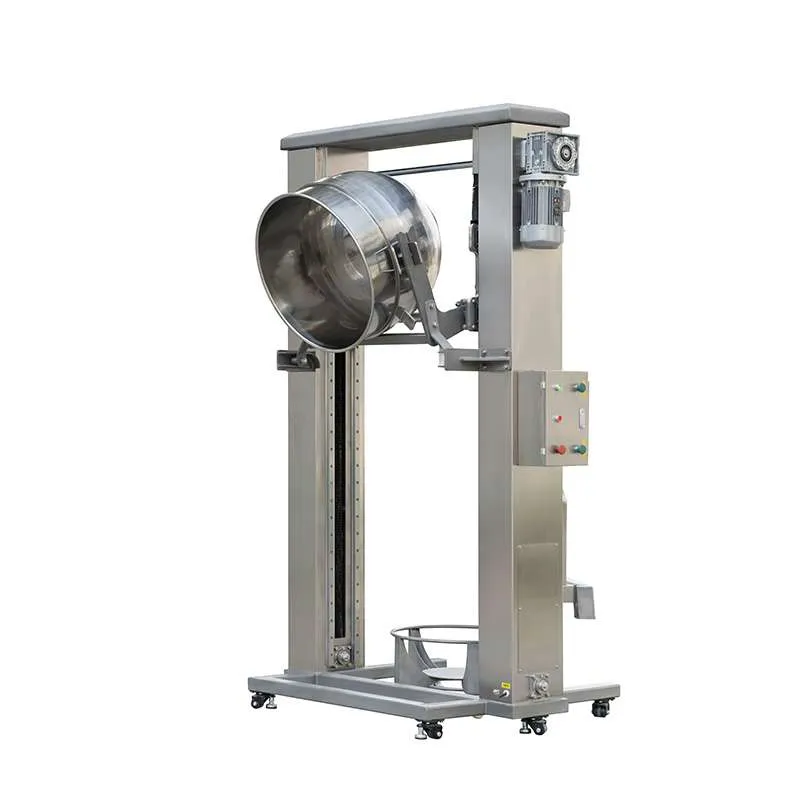
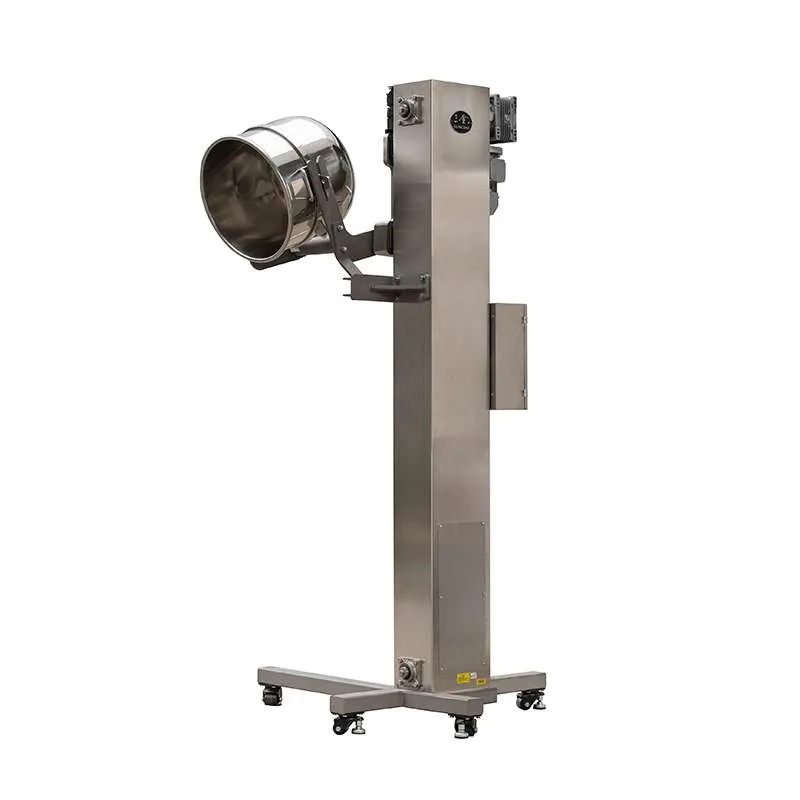
For lines that also need safer and more precise handling of large mixing drums, an added solution to consider is the Double Columns Lifting Machine. Designed for food processing applications, it supports lifting of 180L or larger mixing drums, offers precise height adjustment, and provides smooth fine-tuning during lifting and lowering. With 380V or customized voltage, 1.5 kW power, 2700 mm total height, 1597 mm unloading height, 1940×1100×2800 mm packing size, and 450 kg weight, it can help improve transfer efficiency around the mixer while keeping operation simple, stable, and accurate.
News List
- Spiral dough mixer capacity gaps that affect daily outputMay 09, 2026
- Is a 10kg dough spiral mixer too small for commercial use?May 09, 2026
- Mixer dough spiral issues that often lead to uneven kneadingMay 09, 2026
- What makes a planetary mixer easier to clean after wet mixes?May 09, 2026
- Why 20 liter planetary mixers are popular in test kitchensMay 09, 2026
- Spiral dough mixer energy use vs output: what really mattersMay 09, 2026
Best-Selling Products
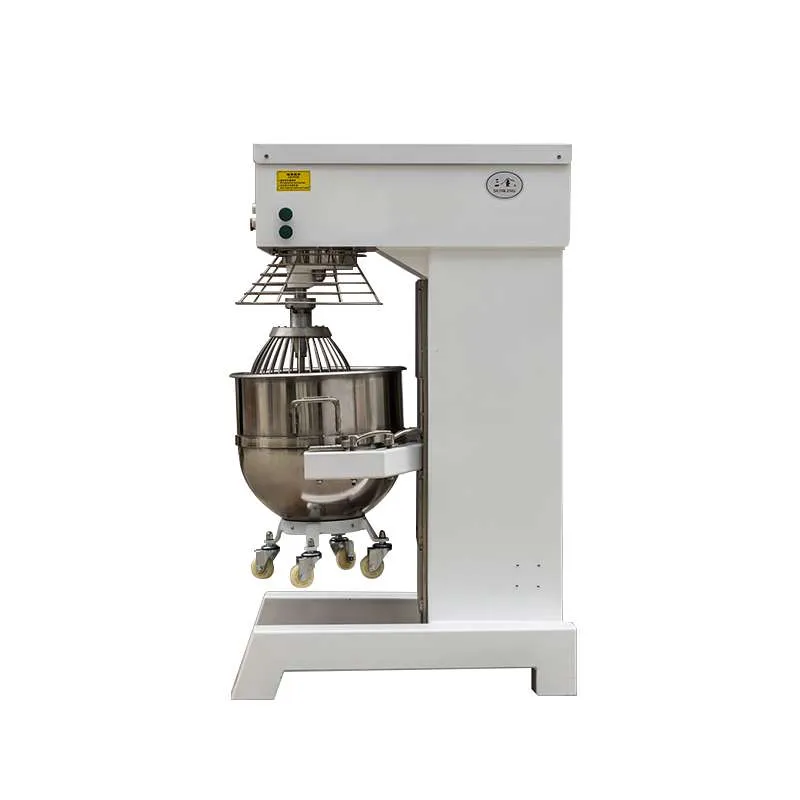
 Industrial Commercial mixer cake Dough Mixer planetary mixer for sale
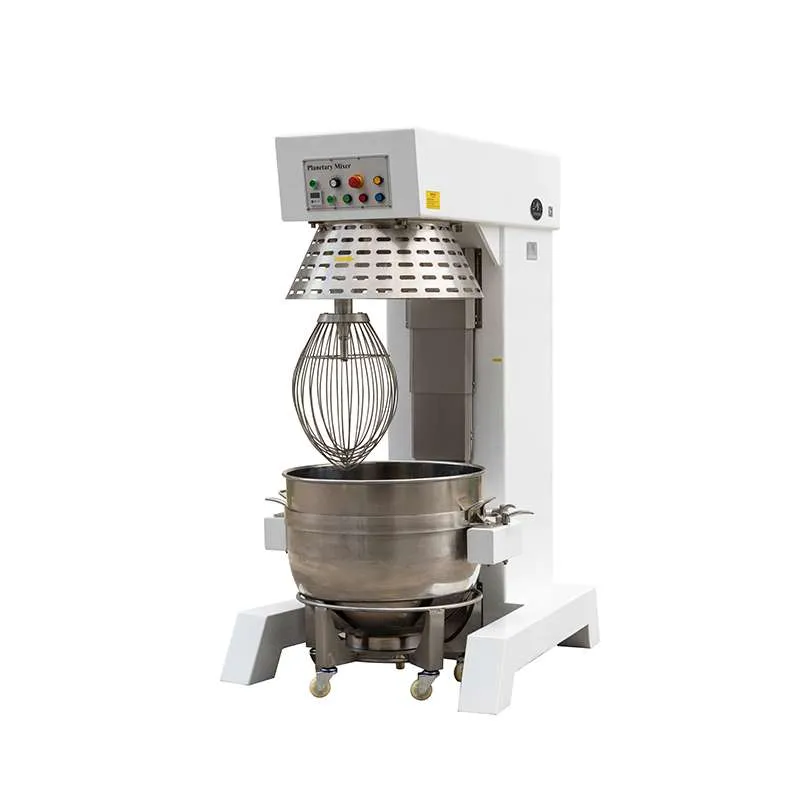
 Hot Selling SKM-60L 80L 100L Stainless Steel Planetary Mixer
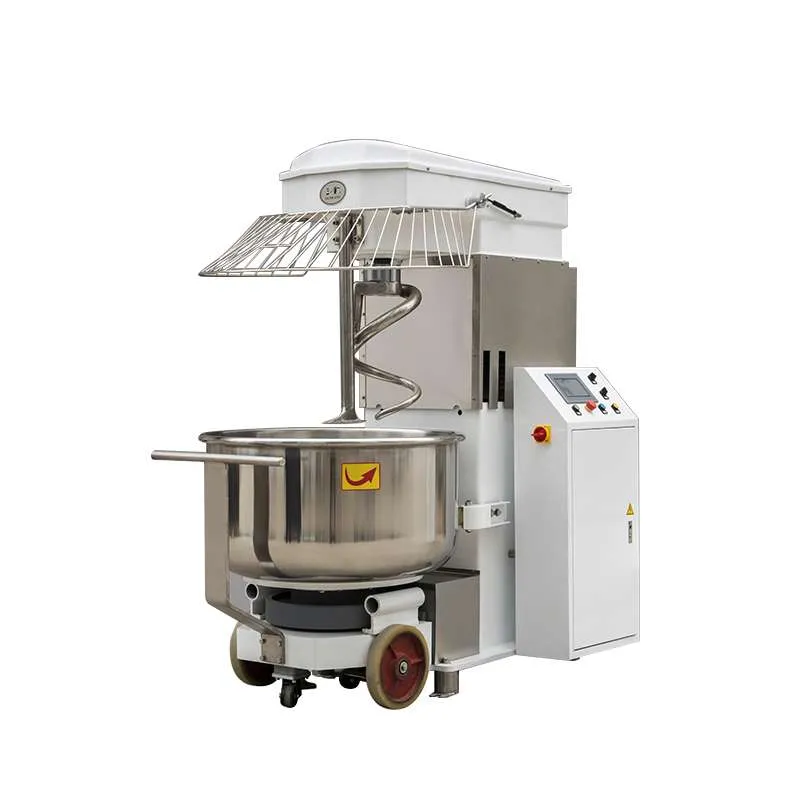
 Bakery Equipment 125kg 150kg Kneader Spiral Dough Mixer
 Double Columns Lifting Machine
 7L 600W Electric Mixer Stand Mixer Bread Mixer
 Piston Pump For Planetary Mixer
 Mobile Planetary Mixer With Mobile Platform And Customizable Height
 2024 Kitchen Mixer With One Ball Commercial Appliances Planetary Mixer
Leave Us a Message
Send us a Message
A dedicated person will follow up on your needs one-on-one and provide personalized customized solutions according
to your needs.
Get In Touch
We look forward to hearing from you for in-depth communication on how to fulfill your mixing requirements.
Please give us a message