
What makes a planetary mixer easier to clean after wet mixes?
What makes a planetary mixer easier to clean after wet mixes?
For after-sales maintenance teams, a planetary mixer that handles wet mixes well should also be quick to clean, inspect, and return to service. Features like smooth bowl surfaces, fewer residue traps, tool-free part removal, and durable food-grade materials can greatly reduce downtime. Understanding what makes a planetary mixer easier to clean helps improve hygiene, maintenance efficiency, and long-term equipment performance. In baking and food processing environments connected to drying, shaping, and post-bake handling, cleaning efficiency is not only a sanitation issue but also a factor that directly affects throughput, labor use, and equipment lifespan.
Cleaning Efficiency as a Core Requirement for a Planetary Mixer
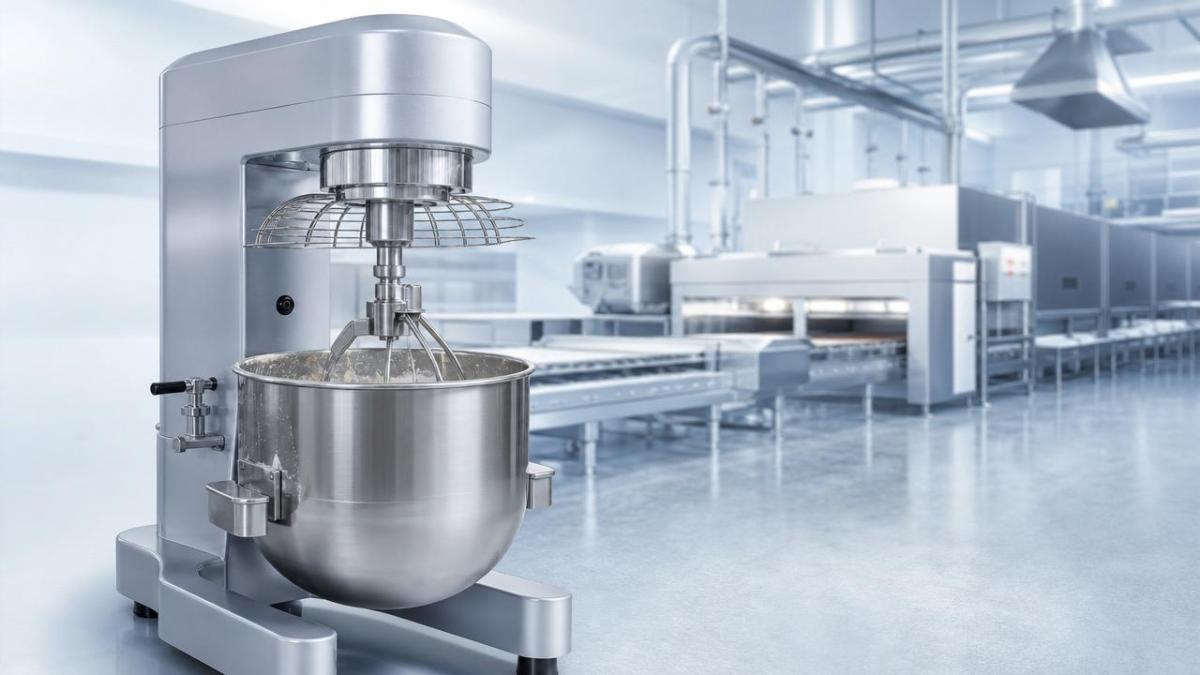
A planetary mixer used for wet mixes such as cake batter, cream fillings, icing bases, and other high-moisture bakery materials tends to collect residue in more places than dry-mix equipment. Wet product sticks to the bowl wall, gathers around the agitator shaft, and can settle into seams, locking points, guards, and bowl supports. If the planetary mixer is difficult to clean, residue remains after production, increasing the risk of cross-batch contamination, odors, corrosion, and unplanned maintenance.
In food machinery operations, cleaning time affects the entire line. Mixing is often an upstream process for forming, baking, cooling, drying, coating, or packaging. When one planetary mixer stays offline too long, downstream equipment waits. That is why easy-clean structural design is now evaluated alongside mixing performance, motor power, and speed control.
A cleanable planetary mixer usually combines hygienic geometry, easy access, durable materials, and service-friendly disassembly. These design points help maintenance teams verify machine condition faster and support more stable product quality over time.
Key Design Elements That Make Wet-Mix Cleanup Easier
The easiest planetary mixer to clean is rarely defined by one feature alone. It is the result of several practical details working together. The following elements usually have the greatest impact:
- Smooth bowl interior: A polished, even bowl surface reduces adhesion of batter, syrup, cream, and emulsified mixtures. Fewer scratches also mean fewer microbial harborage points.
- Rounded internal transitions: Corners, sharp folds, and deep weld lines trap wet materials. Rounded edges are easier to rinse and wipe.
- Minimal exposed threads and crevices: Fasteners placed in food-contact zones can collect sticky residue. Cleaner designs isolate or reduce these areas.
- Tool-free attachment removal: Whisks, beaters, hooks, scrapers, and guards should detach quickly for washing and inspection.
- Accessible lifting and locking system: Bowl supports and lock points should be visible and reachable, so trapped product can be removed without partial machine disassembly.
- Food-grade corrosion-resistant materials: Surfaces exposed to repeated washing, detergents, and wet ingredients must resist rust, pitting, and deformation.
- Protected transmission zone: Belts, gears, and electrical parts should be separated from splash areas to simplify surface cleaning and improve safety.
When these features are missing, the planetary mixer may still mix effectively, but cleanup becomes slower and less consistent. Over time, labor costs rise and maintenance intervals become harder to control.
Why Wet Mixes Create More Cleaning Challenges
Wet formulations behave differently from dry powders. Their viscosity, fat content, sugar concentration, and aeration level affect how strongly they cling to contact surfaces. Cake batter, whipped cream, egg-based blends, and starch-rich fillings often smear rather than fall away. During operation, splash patterns can spread material to the upper bowl area, shaft connections, and machine frame.
This matters in bakery systems that support food drying or dehydration workflows as well. Even if the final product enters ovens, cooling lines, or drying equipment later, contamination introduced at the mixing stage can still affect texture, flavor consistency, and process hygiene. A planetary mixer that is easier to clean helps maintain cleaner upstream conditions before products move into thermal or moisture-control steps.
Operational Value of Easy-Clean Mixer Design
An easy-clean planetary mixer delivers value beyond sanitation compliance. It improves operating rhythm. Faster bowl washdown and quicker attachment changes reduce idle periods between product types. Better visibility after cleaning also makes routine inspection more reliable, helping teams notice wear, looseness, cracks, coating damage, or residue buildup before these issues turn into breakdowns.
For bakeries and food plants managing multiple recipes in a day, this has practical benefits:
- Shorter turnaround between wet-mix batches
- Lower risk of allergen carryover
- More consistent preventive maintenance routines
- Reduced water and chemical use when surfaces rinse cleanly
- Longer service life of food-contact parts
In facilities where production links include proofing, baking, drying, slicing, or packaging, the steady availability of the planetary mixer supports better line coordination. Cleanability therefore contributes directly to uptime and process control.
Typical Areas to Inspect When Evaluating Cleanability
Before selecting or servicing a planetary mixer, it is useful to inspect the machine from a cleaning path perspective rather than only from a mixing capacity perspective. The table below highlights the zones that most often influence maintenance efficiency.
Practical Cleaning and Maintenance Recommendations
Even the best planetary mixer design performs poorly if cleaning routines are delayed or inconsistent. Wet mixes should be removed as soon as possible after discharge, before sugars crystallize and proteins dry onto contact surfaces. A practical cleaning sequence usually includes pre-scraping, warm-water rinse, food-safe detergent wash, targeted brushing of connection points, clear-water rinse, sanitizing if required, and complete drying before restart.
Several habits can make the process more effective:
- Use the correct attachment for the product to reduce unnecessary splashing.
- Avoid overfilling the bowl, which increases residue spread to upper components.
- Inspect seals, shafts, guards, and locking points during every full cleanup.
- Record recurring hard-to-clean areas to identify design or wear issues early.
- Replace damaged bowls or tools that have roughened surfaces.
For long-term use, cleaning should be linked with preventive maintenance. If a planetary mixer repeatedly holds residue in one zone, the cause may be misalignment, worn accessories, damaged finish, or an attachment that no longer matches the bowl correctly. Solving these small issues early helps maintain both hygiene and mixing accuracy.
Equipment Selection Considerations for Stable Service
When comparing equipment, it is useful to assess a planetary mixer by three combined criteria: mixing performance, cleanability, and service accessibility. Machines intended for frequent wet-mix production benefit from stable transmission, precise speed control, reliable safety protection, and a bowl-handling system that does not add extra removal steps during loading or unloading. These characteristics save time in both operation and sanitation.
Zhengzhou Topleap Food Machinery Co., Ltd., founded in 2000 in Xinmi Quliang Industrial Park, focuses on the design, production, and sales of baking equipment. With long-term experience in domestic and overseas markets, the company has built its reputation through practical technology, stable quality, and service support. Its brands serve a wide range of bakery applications, and that background is relevant when evaluating mixers that need to perform reliably in continuous food production settings.
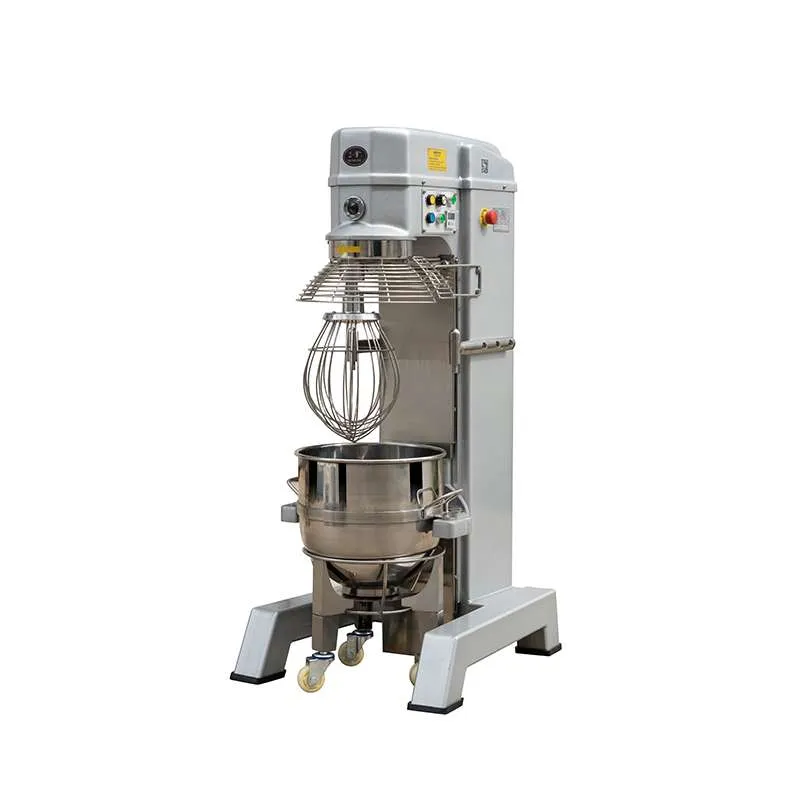
As one example, the Single Ball Planetary Mixer is designed for cake making and is available in SKM-60.L, SKM-80L, and SKM-100L models. It features imported belt synchronous transmission, electric lifting that avoids removing the stirring ball during bucket loading and unloading, frequency conversion control with four-speed non-stop speed change, automatic barrel locking for quick handling, accurate timing to 0.1 minute, and protection functions including emergency stop, overload protection, phase sequence protection, and phase loss protection. With bucket volumes of 60/80/100L, power options of 2.8/4.0/5.5kW, and rotating speeds of 85.7/126.5/228/337rpm, it reflects the kind of structure that can support both production efficiency and easier post-use cleaning management.
In practice, choosing a planetary mixer that is easier to clean after wet mixes means choosing less downtime, better inspection access, and more dependable hygiene control. Reviewing the bowl finish, attachment removal method, locking structure, material durability, and splash-prone zones will provide a more complete picture than capacity data alone. That is the most practical next step for improving maintenance efficiency and keeping food equipment in stable working condition.
News List
- Spiral dough mixer capacity gaps that affect daily outputMay 09, 2026
- Is a 10kg dough spiral mixer too small for commercial use?May 09, 2026
- Mixer dough spiral issues that often lead to uneven kneadingMay 09, 2026
- What makes a planetary mixer easier to clean after wet mixes?May 09, 2026
- Why 20 liter planetary mixers are popular in test kitchensMay 09, 2026
- Spiral dough mixer energy use vs output: what really mattersMay 09, 2026
Best-Selling Products
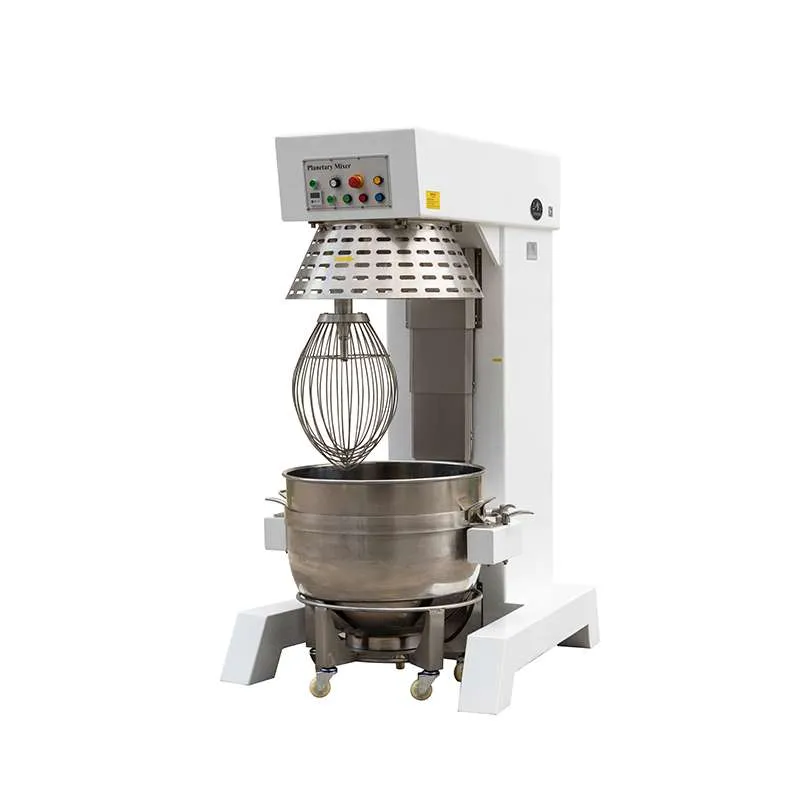
 Industrial Commercial mixer cake Dough Mixer planetary mixer for sale
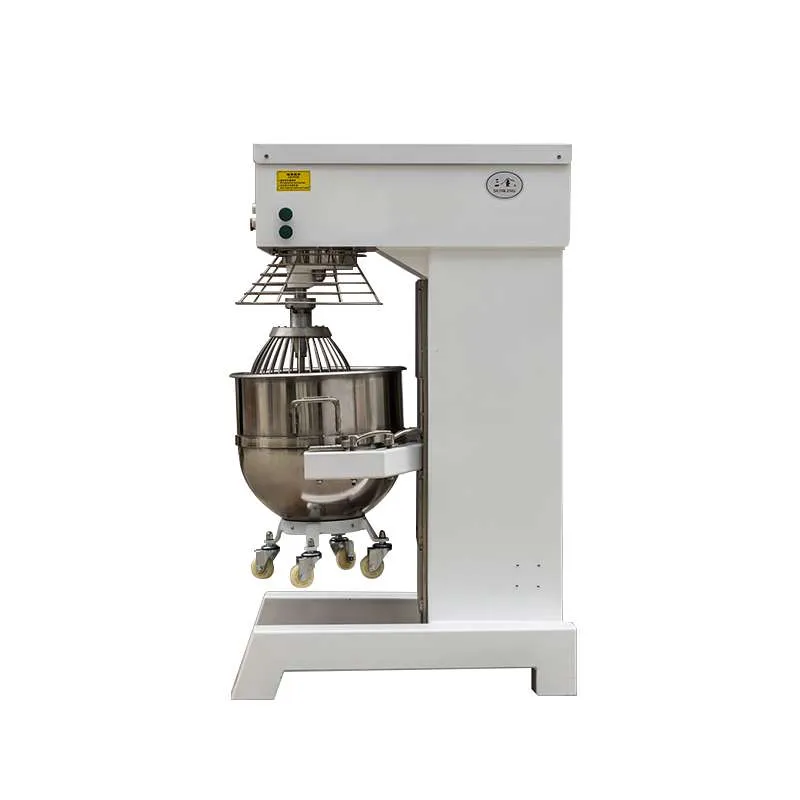
 Hot Selling SKM-60L 80L 100L Stainless Steel Planetary Mixer
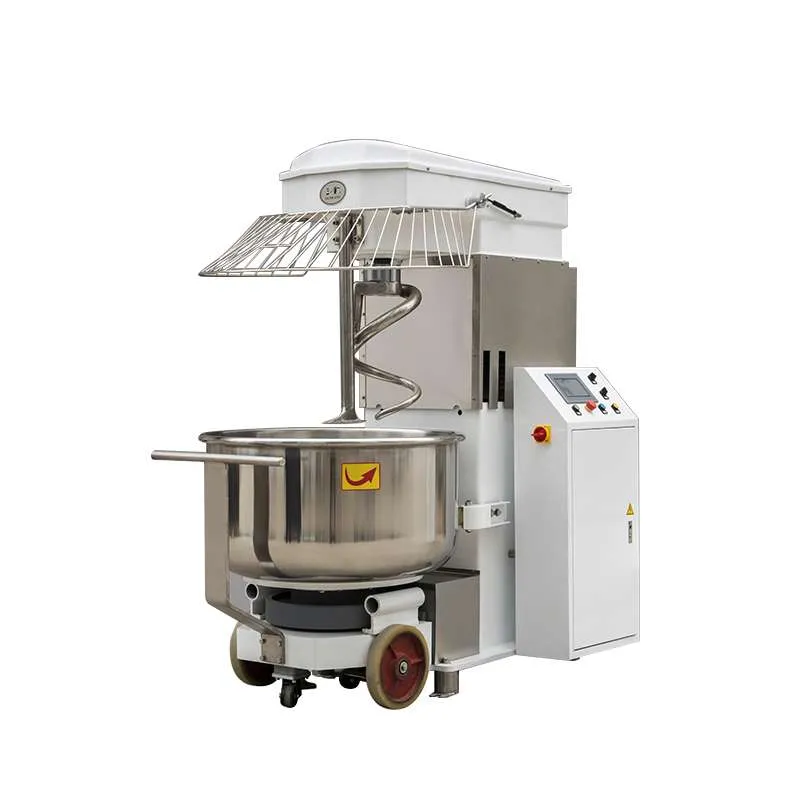
 Bakery Equipment 125kg 150kg Kneader Spiral Dough Mixer
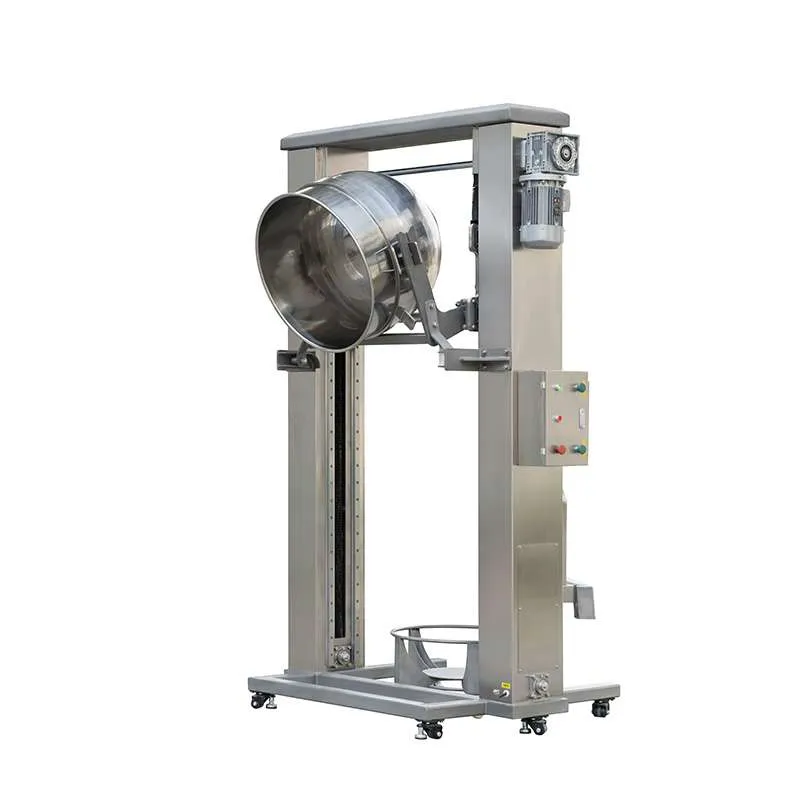
 Double Columns Lifting Machine
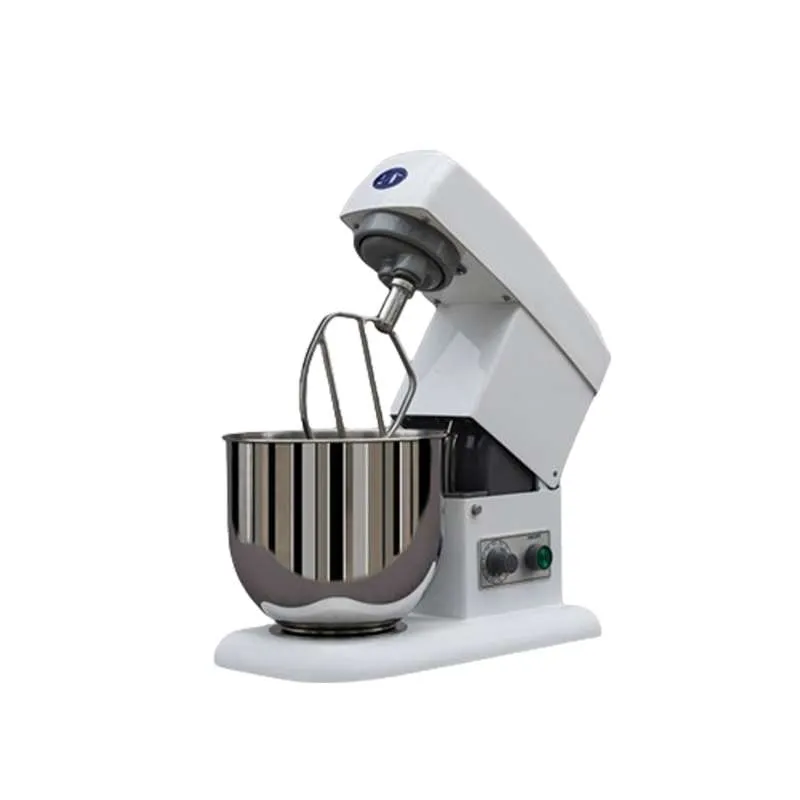
 7L 600W Electric Mixer Stand Mixer Bread Mixer
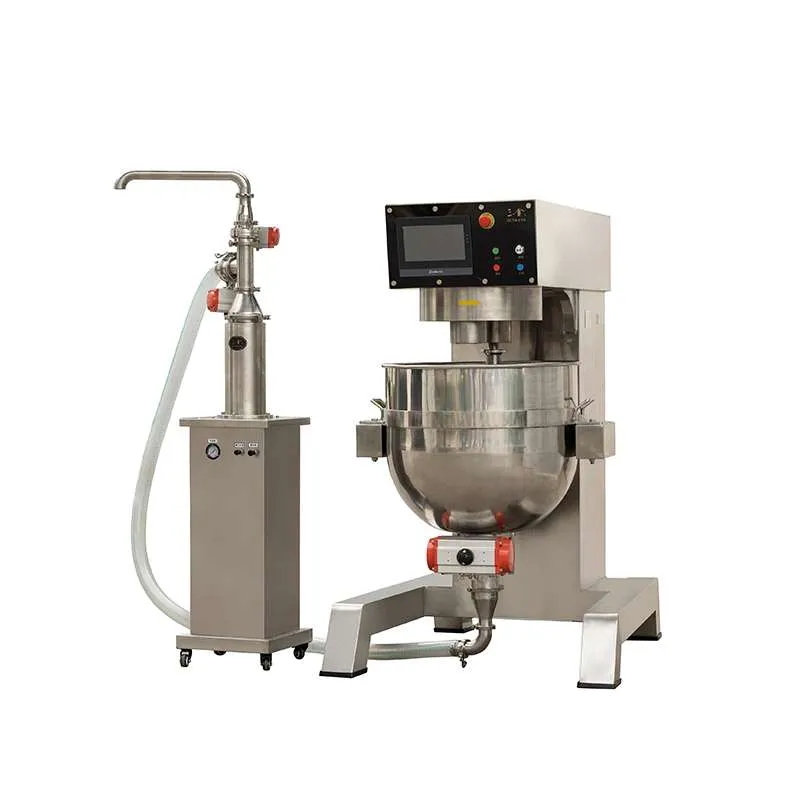
 Piston Pump For Planetary Mixer
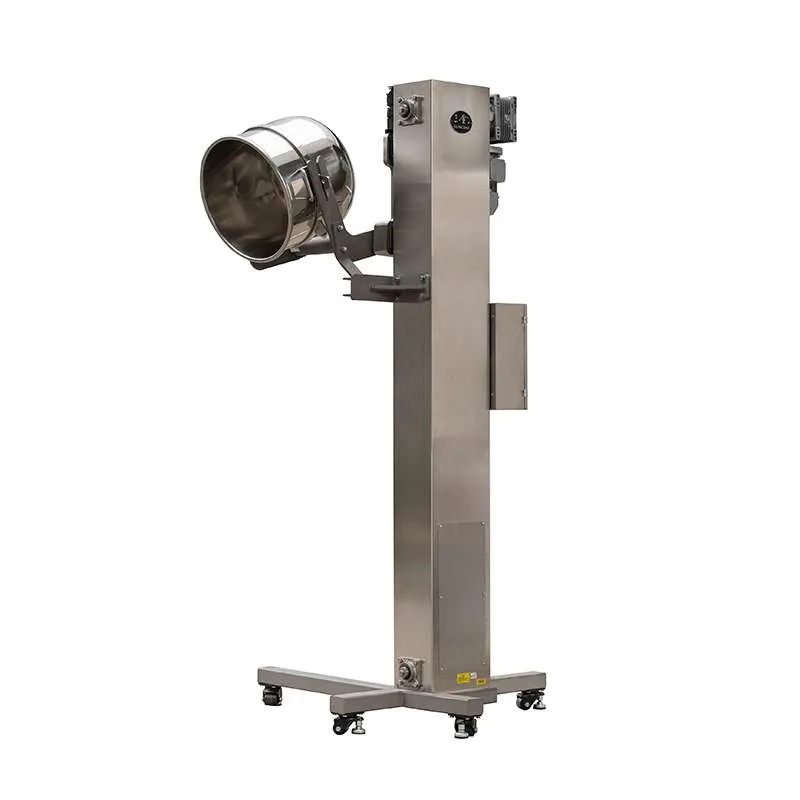
 Mobile Planetary Mixer With Mobile Platform And Customizable Height
 2024 Kitchen Mixer With One Ball Commercial Appliances Planetary Mixer
Leave Us a Message
Send us a Message
A dedicated person will follow up on your needs one-on-one and provide personalized customized solutions according
to your needs.
Get In Touch
We look forward to hearing from you for in-depth communication on how to fulfill your mixing requirements.
Please give us a message