
Is a 10kg dough spiral mixer too small for commercial use?
Is a 10kg dough spiral mixer too small for commercial use?
For buyers evaluating bakery equipment capacity, a dough spiral mixer 10kg may seem compact, but whether it is too small for commercial use depends on your product mix, batch frequency, and daily output goals. Understanding where a dough spiral mixer 10kg fits can help balance equipment budget, floor space, labor rhythm, and future scaling plans. In food processing environments linked to drying, baking, or semi-finished dough preparation, the right mixer size affects not only dough quality but also the stability of the entire production flow.
When is a dough spiral mixer 10kg large enough for commercial use?
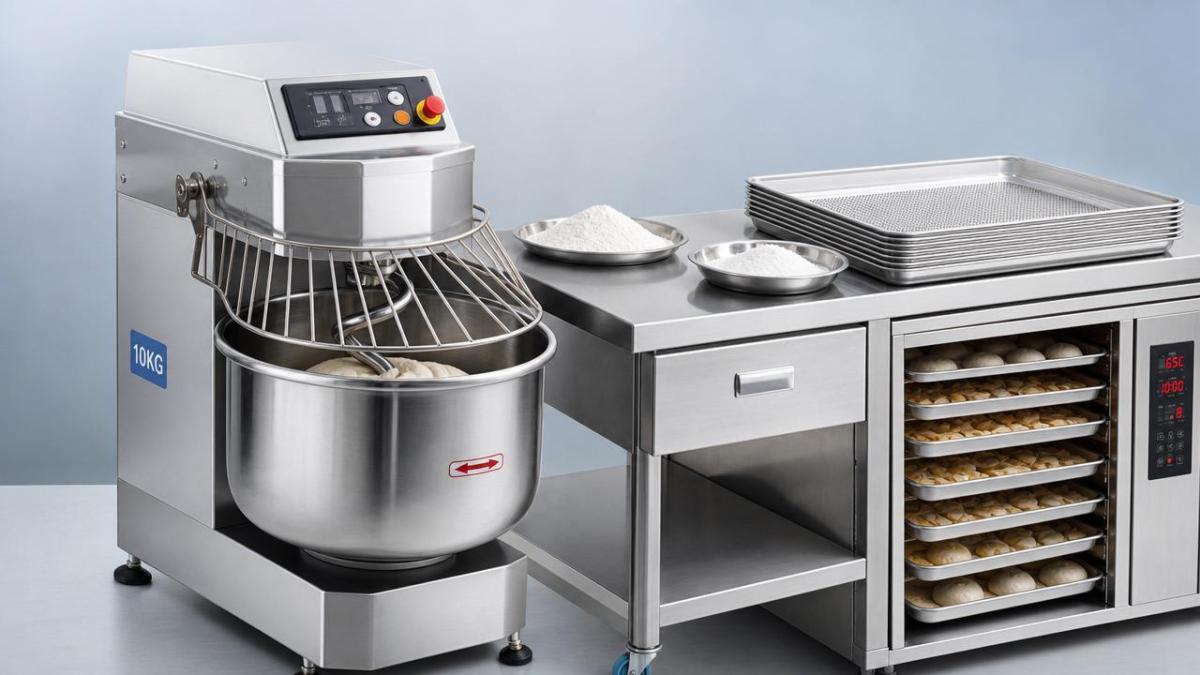
A dough spiral mixer 10kg is not automatically “too small” for commercial production. It is often suitable for operations that prioritize fresh batches, product flexibility, and limited floor space. Small bakeries, café kitchens, test kitchens, boutique pizza outlets, and specialty dough labs may all use this size effectively when daily output is moderate and production scheduling is tight but manageable.
The key question is not the mixer’s nominal capacity alone. Commercial suitability depends on how many batches are needed per day, how long each mixing cycle takes, what hydration range is used, and whether downstream processes such as proofing, shaping, baking, or drying can keep pace. If dough production is only one part of a broader line, a smaller mixer may still be the right choice because it prevents overmixing, reduces waste, and supports frequent recipe changes.
Which production scenes fit a dough spiral mixer 10kg best?
Small-batch artisan bakery production
For artisan bread, enriched dough, or seasonal menu items, a dough spiral mixer 10kg can be an efficient commercial tool. These environments often value dough temperature control, batch consistency, and the ability to switch formulas several times a day. A smaller bowl can support better handling of premium flour blends, inclusions, and hydration adjustments without committing excessive raw materials to each run.
This scene works well when demand is steady but not industrial. If the daily plan involves multiple fresh dough cycles rather than a few very large batches, the equipment can match the workflow. This is especially useful where drying cabinets, baking ovens, or finishing equipment already define the pace of production.
Pizza shops and limited-menu dough operations
A dough spiral mixer 10kg is often practical for pizza stores with predictable dough formulas and several scheduled prep windows. If dough is mixed once or twice per shift and cold-fermented, the capacity may be enough for moderate order volumes. It also helps where kitchen layouts are compact and labor must remain simple.
However, the same machine may become restrictive during weekends or delivery peaks. If demand spikes require continuous back-to-back batches, labor pressure rises quickly. In that case, the issue is not dough quality but throughput efficiency.
R&D, pilot production, and formula testing
One of the strongest commercial use cases for a dough spiral mixer 10kg is pilot-scale development. Food companies testing new bakery lines, dried snack doughs, filled pastry dough, or export formulas often need repeatable but flexible mixing. A compact unit reduces ingredient waste and allows frequent modifications to flour ratio, mixing time, and water absorption.
In this setting, the mixer supports validation before larger capital equipment is selected. It is also helpful when product teams need to prepare samples for tunnel drying, tray drying, or baking trials without disrupting the main production line.
Central kitchens with diverse SKUs
A dough spiral mixer 10kg can also serve central kitchens that produce many low-volume dough types. Instead of using one oversized mixer for every recipe, a smaller unit can handle specialty items, allergen-separated formulas, or urgent replenishment batches. This improves scheduling flexibility and reduces the cleaning burden between product changes.
When does a dough spiral mixer 10kg become too small?
The limitation appears when output targets are high, labor is limited, or the production line depends on uninterrupted dough supply. If one mixing cycle plus loading, unloading, and cleaning takes significant time, frequent batch repetition can create a bottleneck. Once ovens, proofers, sheeters, or food drying systems are waiting on dough, the hidden cost of undersizing becomes serious.
The mixer may also be too small if the dough type is dense and heavy. Bagel dough, low-hydration bread, or stiff pastry formulas create more load per kilogram than soft doughs. In practical use, nominal capacity should never be treated as universally available across all formulas. Commercial users should evaluate usable batch weight based on flour strength, water ratio, and dough development requirements.
Another warning sign is future growth. If current production already requires many daily batches, even a modest sales increase can force overtime mixing, inconsistent timing, and unnecessary wear. In such a case, a dough spiral mixer 10kg may work today but fail as a medium-term investment.
How do different application scenes change the capacity decision?
Capacity decisions become clearer when compared by scene rather than by specifications alone.
What should be checked before choosing a dough spiral mixer 10kg?
Before confirming equipment size, it helps to review the real production scene through a few operational questions:
- How many kilograms of finished dough are required per shift and per peak hour?
- How many formulas are mixed each day, and how often do changeovers happen?
- Is dough mixing feeding a continuous baking or drying process that cannot pause?
- Are the products soft dough, stiff dough, or high-gluten dough with heavier load demands?
- Does the site need a primary mixer or a secondary flexible unit?
- Will the production target likely increase within 12 to 24 months?
These questions are especially important in integrated food machinery planning. Zhengzhou Topleap Food Machinery Co., Ltd., founded in 2000, focuses on the design, production, and sales of baking equipment. With strong domestic and export experience under the Sanking and TOPLEAP brands, the company has supported varied production environments where capacity matching matters as much as machine quality itself. That experience is valuable when evaluating whether a compact mixer supports a full process that may include baking, handling, or drying stages.
Common mistakes when judging if 10kg is too small
One common mistake is comparing only purchase price. A smaller mixer can look economical, but if it forces extra labor hours or interrupts downstream equipment, total operating cost rises. Another mistake is relying on theoretical capacity instead of practical batch rhythm. Loading ingredients, checking dough development, discharging, cleaning, and reprogramming all reduce hourly output.
A third mistake is ignoring recipe evolution. Many businesses begin with one or two dough types, then expand into buns, pastries, pizza, or semi-dried dough snacks. What fits the initial menu may not support future variation. Lastly, some users overlook the strategic value of a small mixer as a support machine. Even when too small for the main line, it can still add value for testing, premium products, or urgent backup production.
How to make the right next-step decision
If the goal is moderate daily production, flexible recipes, and efficient use of limited space, a dough spiral mixer 10kg can absolutely be suitable for commercial use. If the goal is high-volume standardized production with little downtime, it is likely better treated as a secondary or pilot unit rather than the main mixing asset.
A practical approach is to calculate required dough output per hour, then compare it against actual batch cycle time instead of just bowl size. From there, match the mixer to the slowest point of the line. If larger-scale bakery or food production is expected, it may be worth considering a higher-capacity spiral mixer with programmable control, durable components, and efficient unloading.
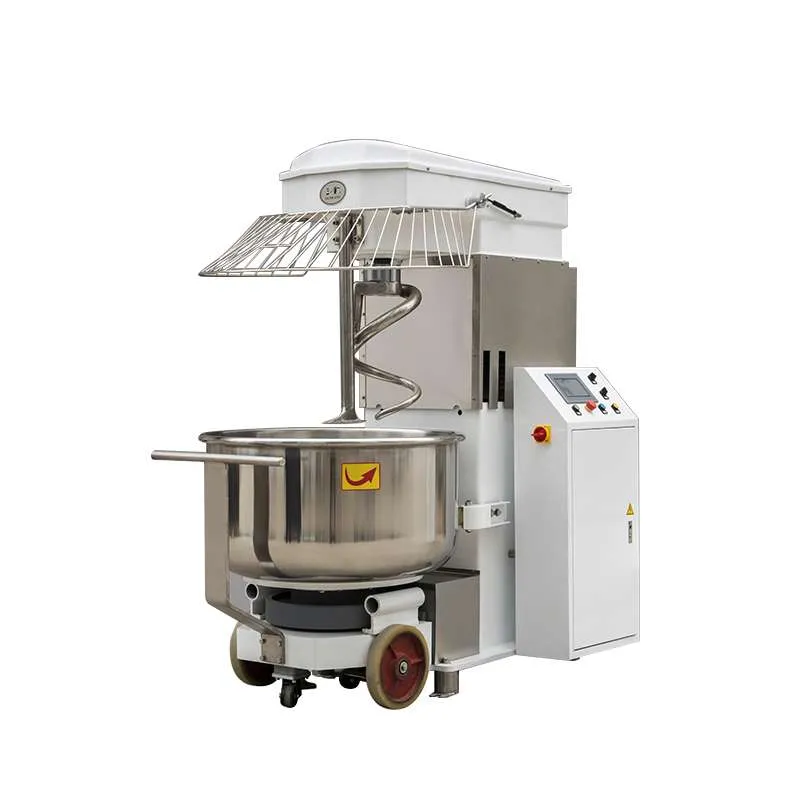
For operations moving beyond compact capacity, TOPLEAP also offers larger industrial spiral mixing solutions. One example is the Automatic Rollover Two-Speed Bidirectional Tilting Spiral Mixer, available in models such as SKM-50SF, SKM-75SF, SKM-100SF, SKM-125SF, SKM-150SF, and SKM-200SF. Designed for food industry use, it supports flour capacities from 50kg to 200kg, with bucket volumes from 145L to 540L. Key features include automatic bucket tilting for easier unloading, PLC touch-screen control with storage for 20 kneading programs, an automatic quantitative water supply system, imported belts, imported bearings and electrical parts, a durable hydraulic system, and non-slip stainless steel foot pads. These features make it a strong option for larger production lines that require efficiency, intelligence, and stable performance.
In short, a dough spiral mixer 10kg is not too small for every commercial scene. It is too small for some output demands and exactly right for others. The best decision comes from matching equipment capacity to actual production rhythm, product structure, and expansion plans.
News List
- Spiral dough mixer capacity gaps that affect daily outputMay 09, 2026
- Is a 10kg dough spiral mixer too small for commercial use?May 09, 2026
- Mixer dough spiral issues that often lead to uneven kneadingMay 09, 2026
- What makes a planetary mixer easier to clean after wet mixes?May 09, 2026
- Why 20 liter planetary mixers are popular in test kitchensMay 09, 2026
- Spiral dough mixer energy use vs output: what really mattersMay 09, 2026
Best-Selling Products
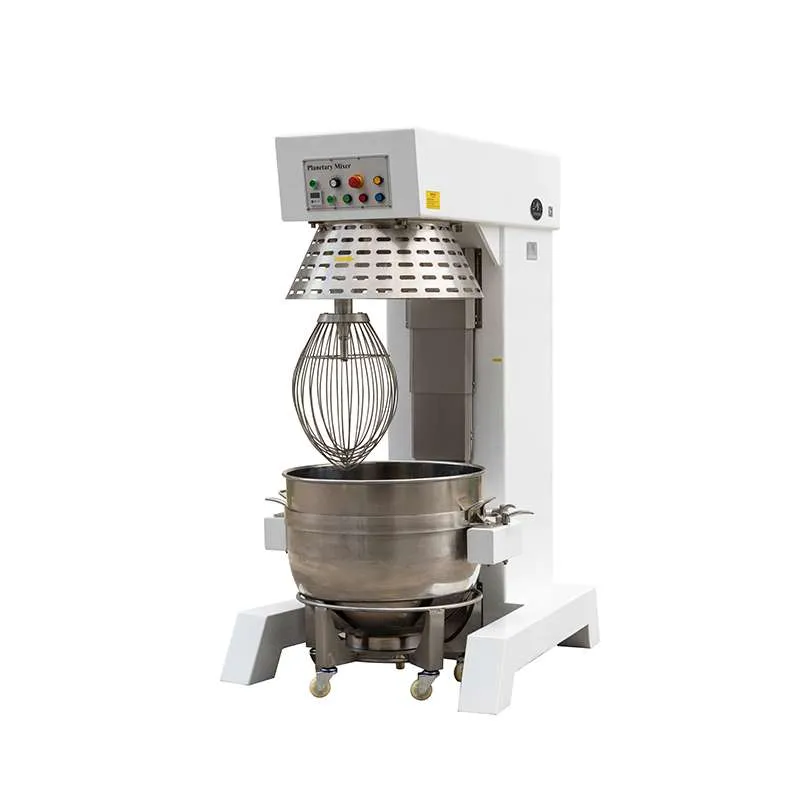
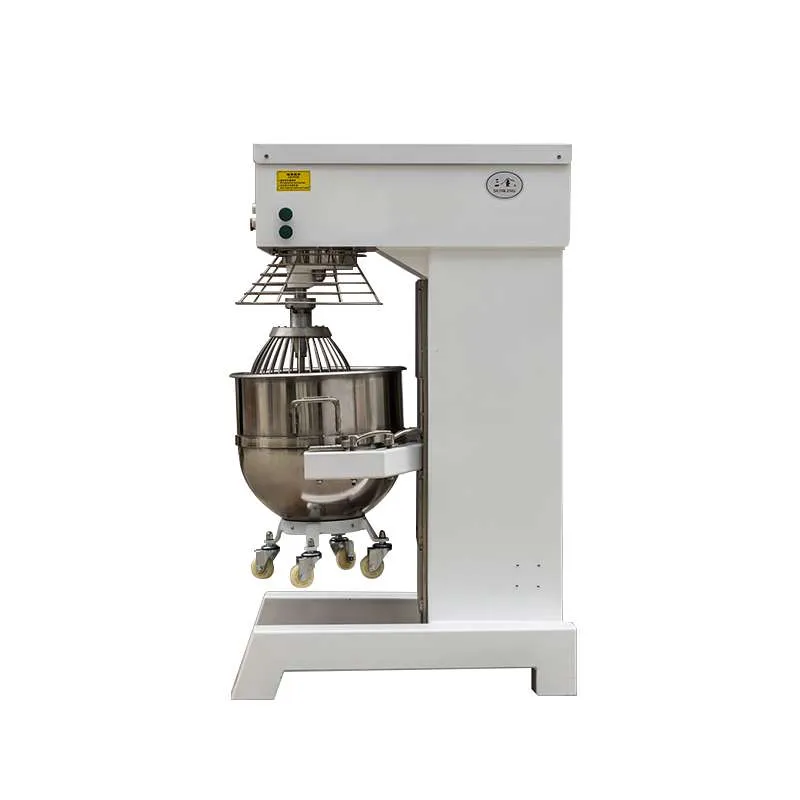
 Industrial Commercial mixer cake Dough Mixer planetary mixer for sale
 Hot Selling SKM-60L 80L 100L Stainless Steel Planetary Mixer
 Bakery Equipment 125kg 150kg Kneader Spiral Dough Mixer
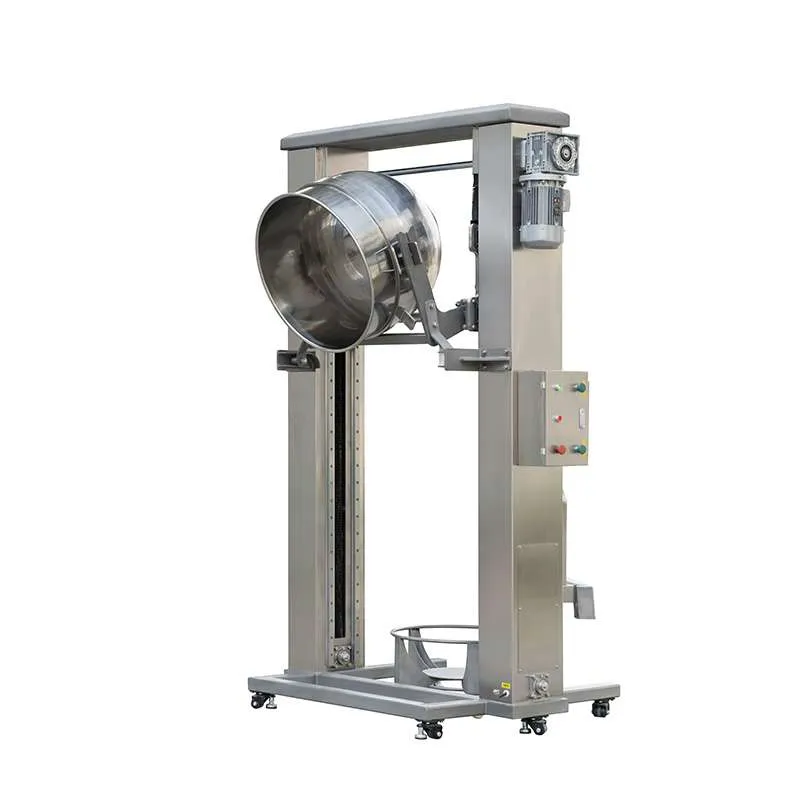
 Double Columns Lifting Machine
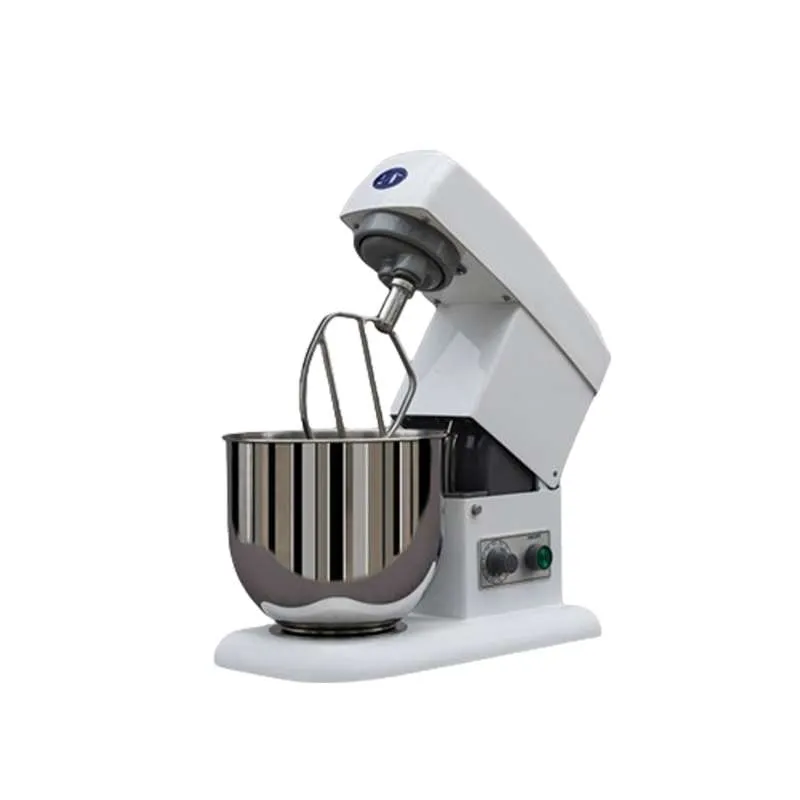
 7L 600W Electric Mixer Stand Mixer Bread Mixer
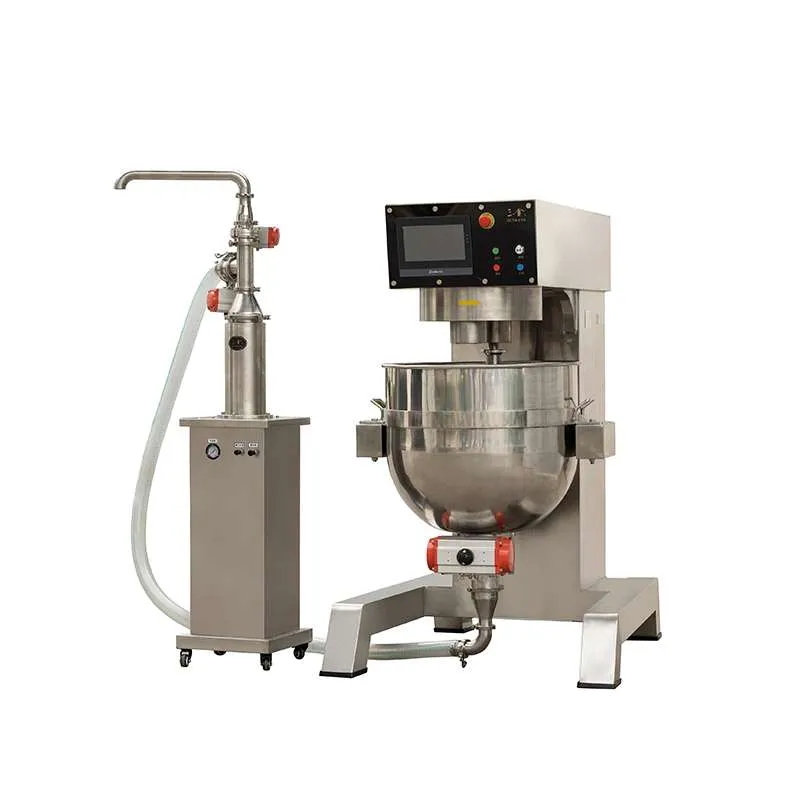
 Piston Pump For Planetary Mixer
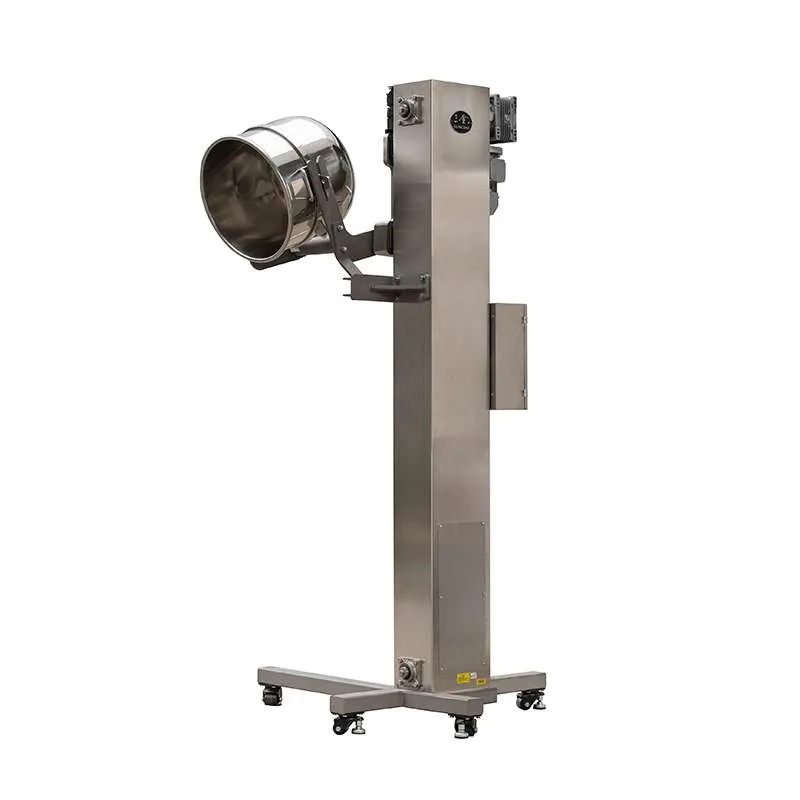
 Mobile Planetary Mixer With Mobile Platform And Customizable Height
 2024 Kitchen Mixer With One Ball Commercial Appliances Planetary Mixer
Leave Us a Message
Send us a Message
A dedicated person will follow up on your needs one-on-one and provide personalized customized solutions according
to your needs.
Get In Touch
We look forward to hearing from you for in-depth communication on how to fulfill your mixing requirements.
Please give us a message