
Why 20 liter planetary mixers are popular in test kitchens
Why 20 liter planetary mixers are popular in test kitchens
In test kitchens, planetary mixers 20 liters have become a preferred choice for technical evaluators who need consistent results, flexible batch handling, and reliable performance under repeated trials. Their balanced capacity makes them suitable for product testing, process validation, and small-scale recipe development, while helping teams assess mixing efficiency, durability, and operational stability before larger production decisions. In the broader food equipment field, especially where bakery preparation links with drying, shaping, and controlled finishing processes, this mixer size offers a practical bridge between benchtop trials and industrial production planning.
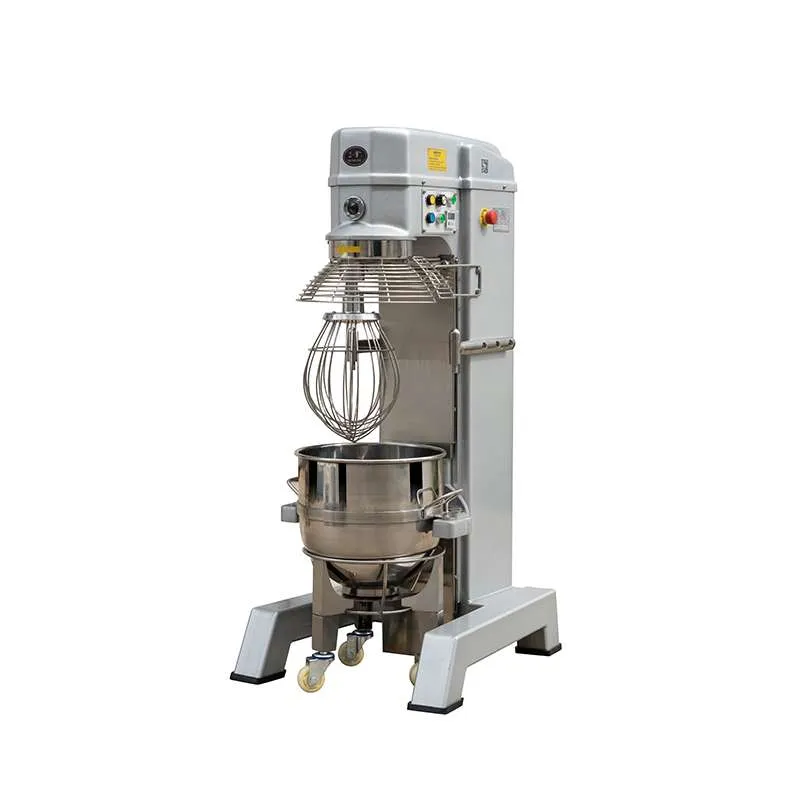
Functional Overview of planetary mixers 20 liters
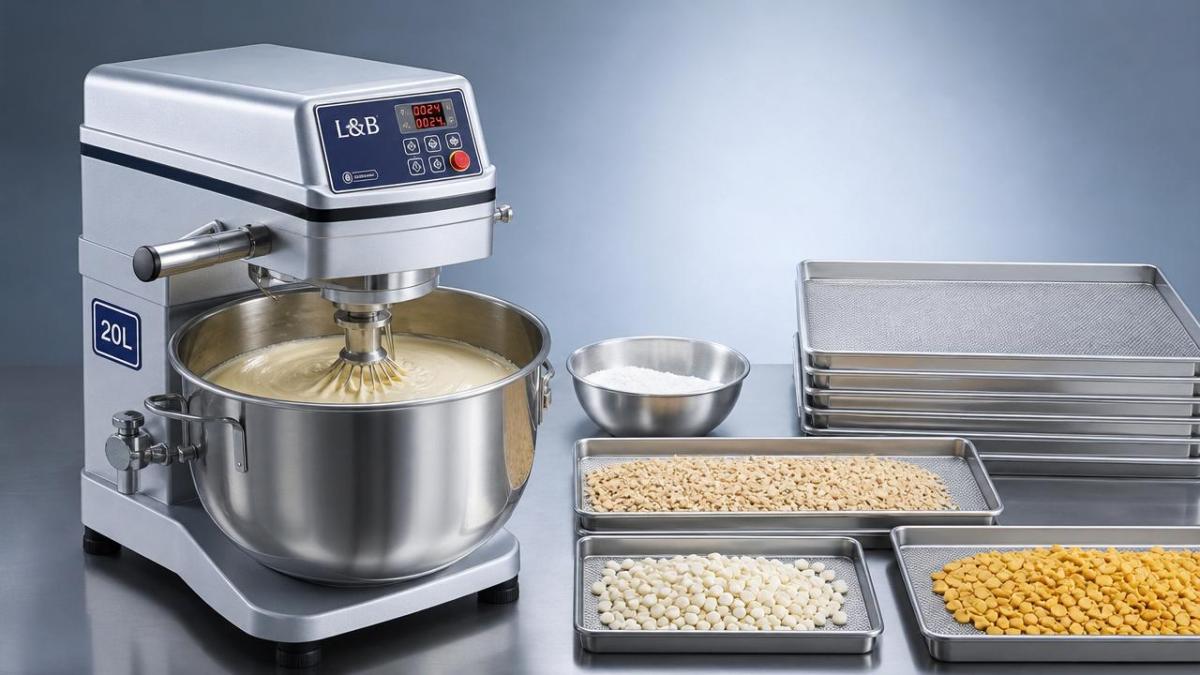
Planetary mixers 20 liters are medium-capacity mixing machines designed for batters, creams, fillings, whipped products, light doughs, and blended food materials that require even agitation. The term “planetary” refers to the movement of the agitator around the bowl while also rotating on its own axis, creating thorough coverage across the entire mixing area. This motion is valuable in test environments because it supports repeatable texture development, better ingredient incorporation, and reduced dead zones in the bowl.
Compared with smaller countertop units, planetary mixers 20 liters provide more realistic trial volumes for bakery and snack development. Compared with larger industrial systems, they are easier to clean, faster to reset between formula changes, and more economical for repeated testing. This is especially relevant in food processing lines where upstream mixing influences downstream drying behavior, moisture distribution, forming consistency, and final shelf stability.
For operations connected to food drying equipment, a stable mixing stage matters more than it may first appear. Uniform blending affects particle size distribution, paste viscosity, aeration, and water-binding behavior. These factors directly influence drying speed, heat transfer, product cracking risk, and the consistency of finished texture. Because of that, planetary mixers 20 liters are often used not only for bakery tests but also for premix preparation in experimental dehydration or semi-dry food applications.
Industry Context and Current Evaluation Priorities
In recent years, food machinery selection has increasingly focused on process stability rather than simple capacity. Test kitchens now serve as validation spaces where equipment is judged by how well it supports formula transitions, rapid trial cycles, and measurable output quality. In this environment, planetary mixers 20 liters are popular because they align with several important evaluation priorities.
Another reason planetary mixers 20 liters are gaining attention is the need to compare ingredient behavior across recipes with different moisture loads. In bakery and dried food applications, slight changes in hydration can alter structure, drying performance, and product appearance. A 20-liter format offers enough working volume to observe these shifts clearly without generating excess waste.
Operational Value in Food Preparation and Drying-Related Processes
The popularity of planetary mixers 20 liters is strongly tied to their practical value in real process development. They support a wide range of food materials, from whipped toppings and cake batters to seasoning slurries, soft doughs, and pre-drying blends. In many product development workflows, mixing is not an isolated step; it shapes how ingredients behave during proofing, forming, heating, and drying.
For food drying equipment applications, early-stage mixing quality can influence:
- uniform moisture distribution before drying;
- adhesion and spreadability on trays or forming surfaces;
- stability of emulsions or suspensions during thermal exposure;
- texture retention after water removal;
- reduction of clumping, uneven drying, or surface defects.
This is why many test kitchens use planetary mixers 20 liters during process screening. They make it easier to compare the effect of agitation speed, mixing duration, and tool selection on the final product. When evaluating a new dried snack base, fruit preparation, or bakery filling destined for moisture reduction, the mixer provides a controlled environment for identifying the best pre-treatment conditions.
The 20-liter size also improves operational realism. It is large enough to generate samples for moisture analysis, texture testing, packaging trials, and limited shelf-life observation. That practical sample volume helps shorten the distance between concept testing and process decision-making.
Typical Use Cases and Process Categories
Although planetary mixers 20 liters are widely associated with bakery development, their usefulness extends into several food categories that involve dehydration, controlled heating, or ingredient stabilization. The following examples show where they fit naturally in testing and pilot work.
In these scenarios, planetary mixers 20 liters help create a stable basis for judging not just product texture, but also how the material moves through the next equipment stage. That matters when later decisions involve dryers, ovens, conveyors, forming tools, or packaging systems.
Selection Factors and Practical Considerations
When selecting planetary mixers 20 liters for a test kitchen, capacity alone should not guide the decision. Performance consistency depends on the relationship between bowl geometry, agitator design, speed control, motor stability, and material type. A unit that performs well with cream may not be ideal for dense premixes or highly viscous fillings.
Several points deserve close attention:
- Speed range: Different products require controlled low-speed incorporation or faster aeration.
- Tool compatibility: Whisks, paddles, and hooks should match the intended test materials.
- Motor protection: Repeated testing can expose overload weaknesses, especially with heavier mixes.
- Ease of sanitation: Smooth surfaces and simple bowl access improve reset efficiency.
- Data usefulness: Stable operation makes test outcomes easier to compare over time.
For companies evaluating integrated food machinery, it is also wise to assess how mixer output behaves in relation to drying or baking equipment. A consistent mixer can reduce process variability later in the line, which helps improve product repeatability and lowers trial-to-trial deviation.
Implementation Guidance and Next-Step Reference
The continued popularity of planetary mixers 20 liters comes from their balance of realism, control, and efficiency. They are large enough to support meaningful product development, yet compact enough for frequent recipe changes and structured evaluation work. In test kitchens connected to bakery systems or food drying equipment, this balance helps teams understand how mixing quality influences the full process chain.
A practical next step is to define the materials being tested, expected batch size, target viscosity, and downstream process conditions. From there, compare mixer motion type, speed structure, cleaning convenience, and protection features. This approach makes equipment selection more accurate and more useful for long-term process validation.
Zhengzhou Topleap Food Machinery Co., Ltd., founded in 2000 in Xinmi Quliang Industrial Park, focuses on the design, production, and sales of baking equipment. Through its Sanking and TOPLEAP brands, the company serves both domestic and international markets, with extensive experience in bakery machinery application, product consistency, and service support. For workflows that combine dough preparation, bakery development, and related thermal processing, an additional reference option is Spiral Mixer Dough Mixer 10kg 15kg 25kg 50kg 75kg. This solution covers models including SKM-10S, SKM-15S, SKM-25S, SKM-50S, and SKM-75S, and offers features such as imported belt drive, timing function, switchable microcomputer/manual operation, stable performance, high water absorption, and overload as well as phase loss protection.
For denser dough preparation where spiral action is more suitable than planetary motion, that equipment line can complement planetary mixers 20 liters in a broader testing or pilot-production setup. Reviewing both mixer types together can provide a clearer path when planning product trials, process upgrades, or future equipment expansion.
News List
- Spiral dough mixer capacity gaps that affect daily outputMay 09, 2026
- Is a 10kg dough spiral mixer too small for commercial use?May 09, 2026
- Mixer dough spiral issues that often lead to uneven kneadingMay 09, 2026
- What makes a planetary mixer easier to clean after wet mixes?May 09, 2026
- Why 20 liter planetary mixers are popular in test kitchensMay 09, 2026
- Spiral dough mixer energy use vs output: what really mattersMay 09, 2026
Best-Selling Products
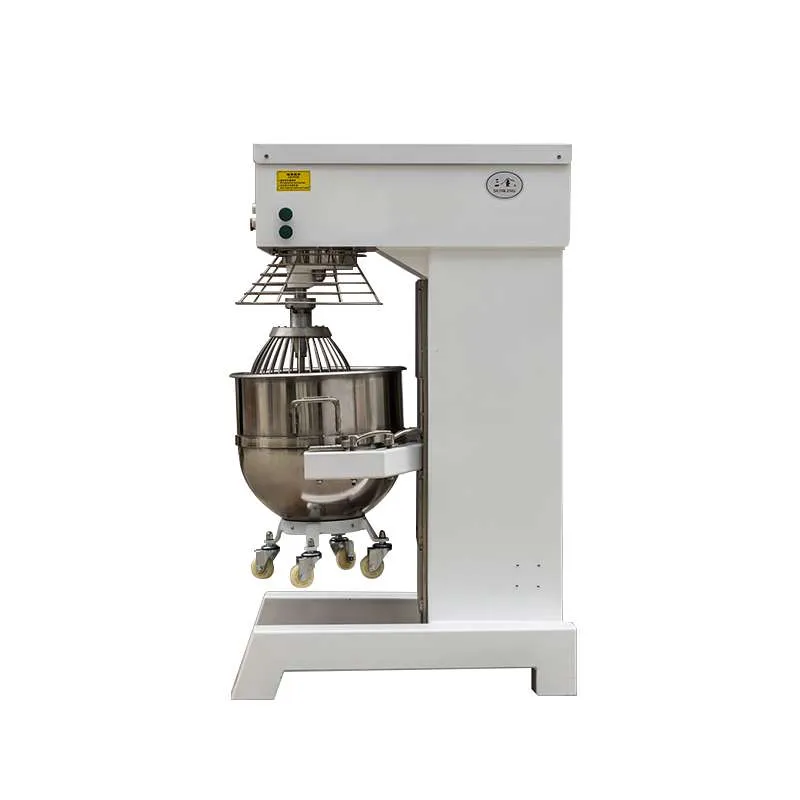
 Industrial Commercial mixer cake Dough Mixer planetary mixer for sale
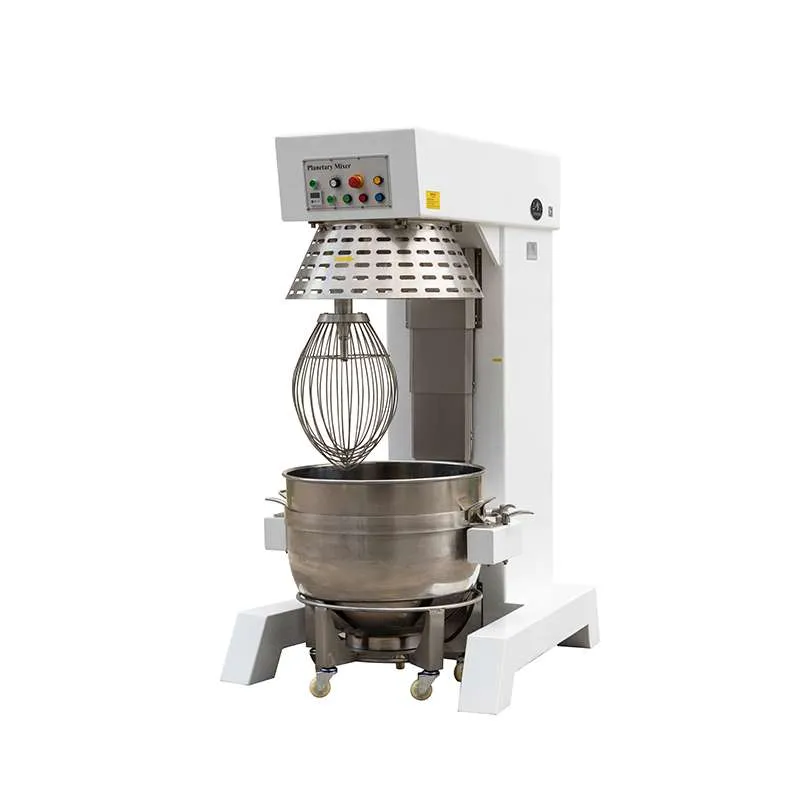
 Hot Selling SKM-60L 80L 100L Stainless Steel Planetary Mixer
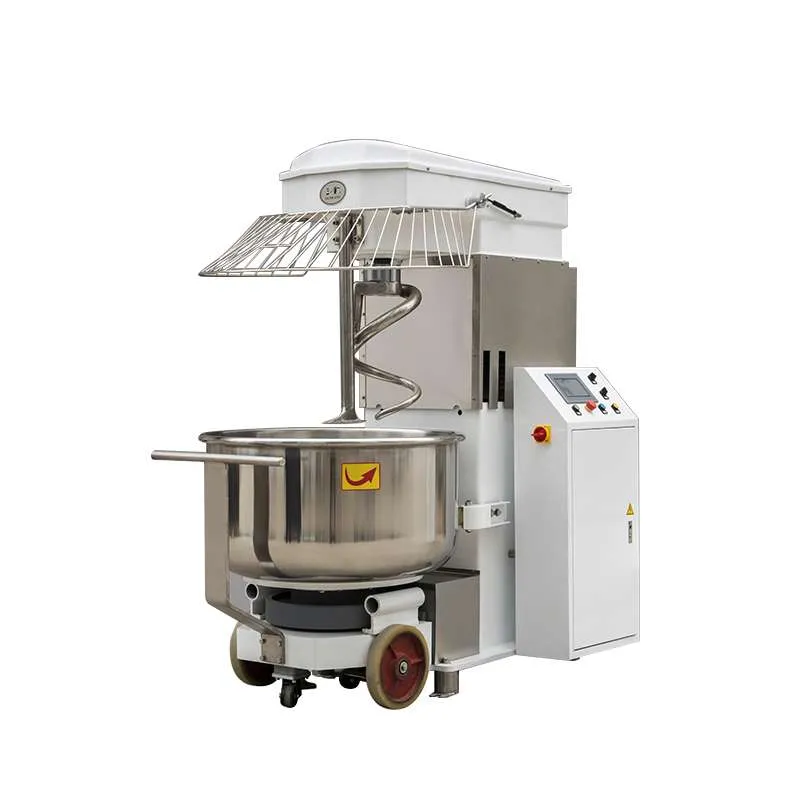
 Bakery Equipment 125kg 150kg Kneader Spiral Dough Mixer
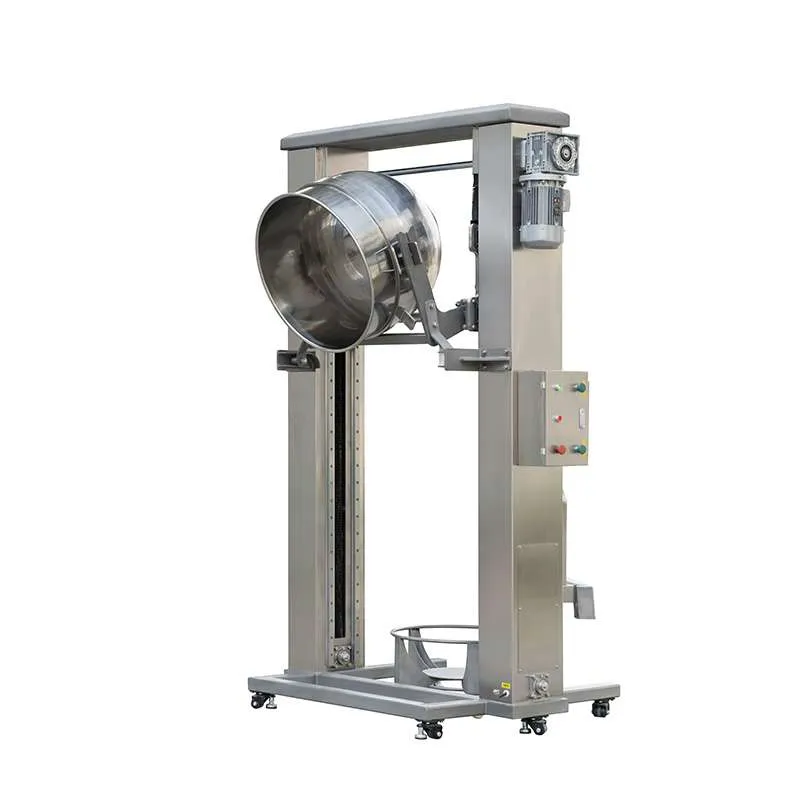
 Double Columns Lifting Machine
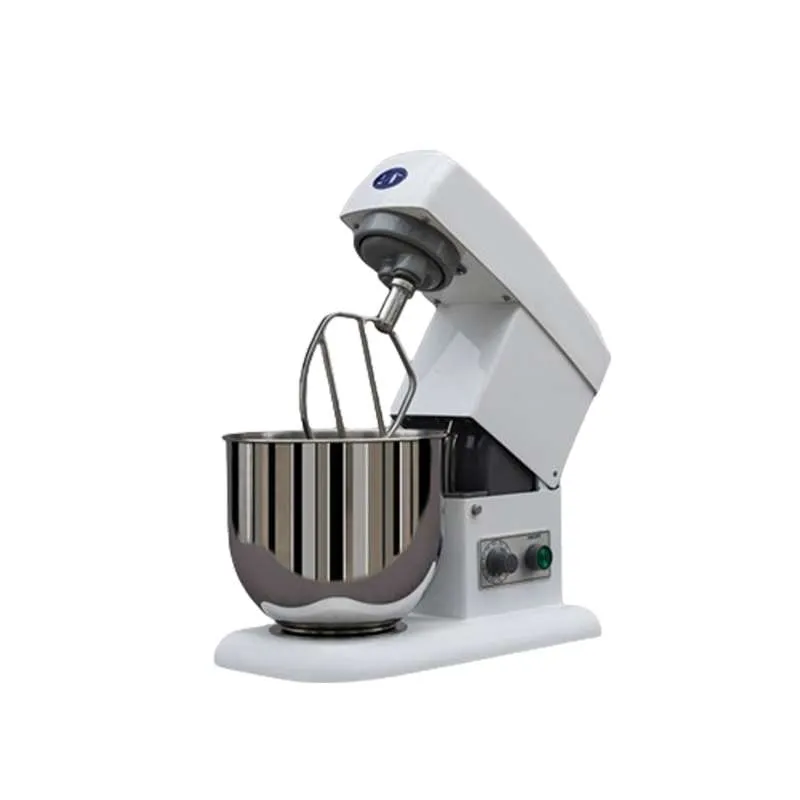
 7L 600W Electric Mixer Stand Mixer Bread Mixer
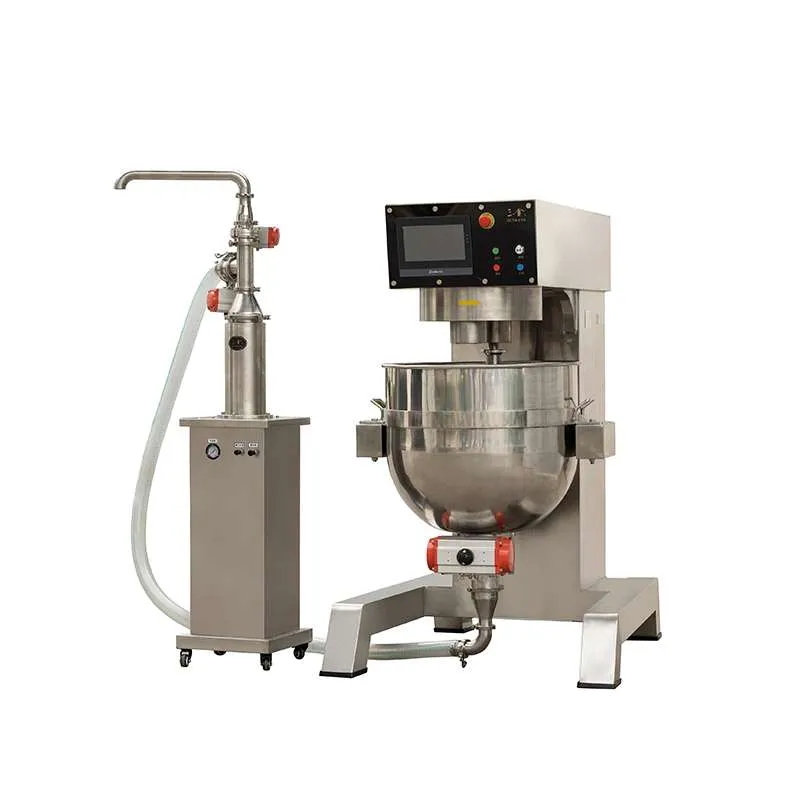
 Piston Pump For Planetary Mixer
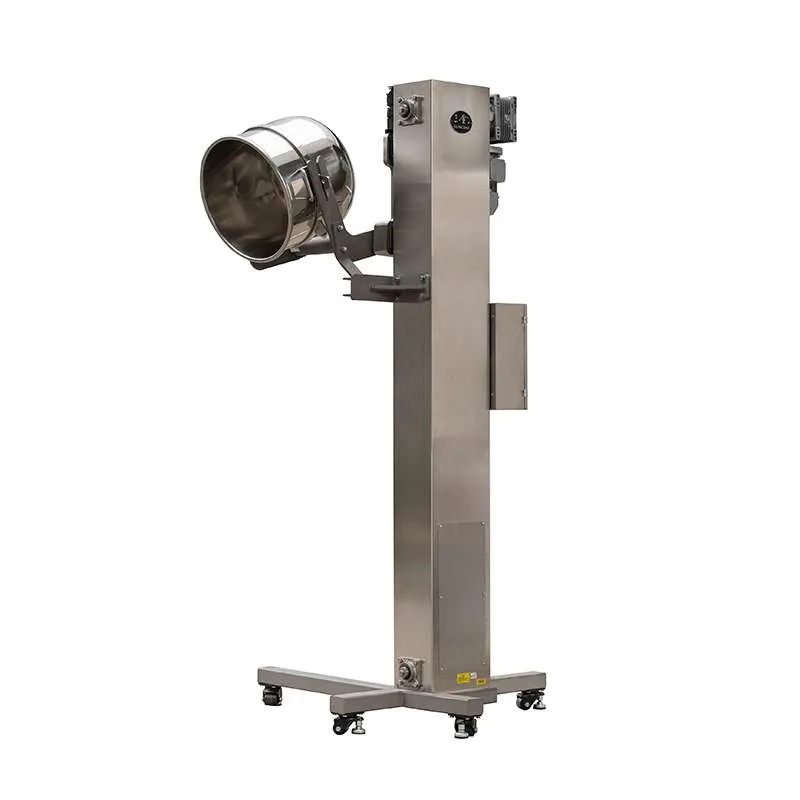
 Mobile Planetary Mixer With Mobile Platform And Customizable Height
 2024 Kitchen Mixer With One Ball Commercial Appliances Planetary Mixer
Leave Us a Message
Send us a Message
A dedicated person will follow up on your needs one-on-one and provide personalized customized solutions according
to your needs.
Get In Touch
We look forward to hearing from you for in-depth communication on how to fulfill your mixing requirements.
Please give us a message