
Mixer dough spiral issues that often lead to uneven kneading
Mixer dough spiral issues that often lead to uneven kneading
Uneven kneading often starts with overlooked mixer dough spiral problems, from wear and misalignment to hygiene and safety risks that affect batch consistency. In baking lines connected with drying, cooling, and downstream food processing equipment, poor dough development can create moisture imbalance, unstable texture, and inconsistent final product quality. Identifying early warning signs in the mixer dough spiral is therefore essential for maintaining stable dough performance, reducing production errors, and supporting reliable daily operation.
When a mixer dough spiral issue becomes a production scene problem
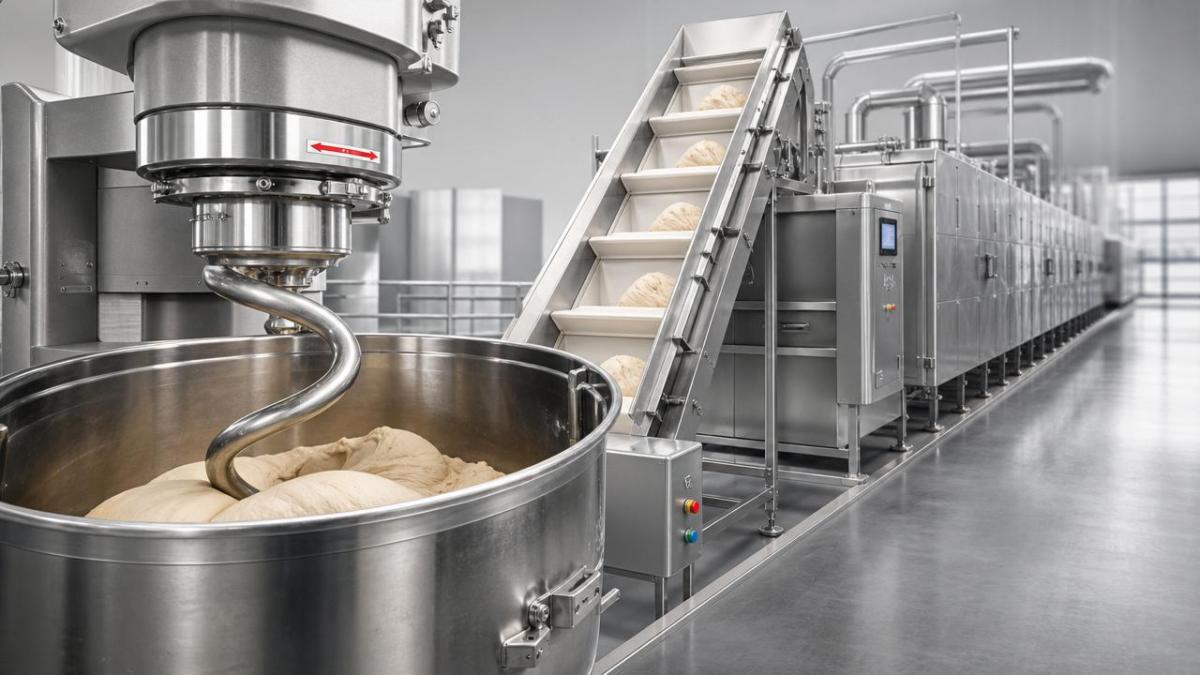
A mixer dough spiral is not just a mixing component. In practical bakery and food production scenes, it directly influences gluten formation, dough temperature rise, hydration uniformity, and the transfer behavior of dough before proofing, baking, or drying-related stages. Once the spiral loses its correct geometry or operating stability, kneading becomes uneven, and the problem quickly spreads to the rest of the line.
This matters even more in food machinery environments where process continuity is critical. If dough density varies from batch to batch, drying or heat-processing stages can no longer work on a predictable input. Some pieces may retain excess moisture, while others dry too quickly, leading to broken texture, poor shelf life, and higher waste. That is why mixer dough spiral inspection should be treated as a scene-based quality checkpoint, not just a maintenance task.
Typical operating scenes where uneven kneading first appears
High-hydration dough runs
In soft dough applications, minor spiral wear often shows up earlier than expected. A damaged or polished mixer dough spiral may fail to stretch and fold the dough effectively, causing wet pockets and weak structure. The key judgment point in this scene is whether the dough reaches the target extensibility at the normal mixing time without unusual sticking or bowl climbing.
If the dough remains glossy but structurally weak, the issue may not be formulation-related. Operators often adjust water or flour first, but the root cause can be reduced spiral gripping action. In lines that later rely on controlled dehydration or stable baking loss, this inconsistency becomes highly visible in the finished product.
Heavy dough or large-batch production
For dense dough, the mixer dough spiral works under higher mechanical load. In this scene, shaft deviation, loosened fixing points, or motor-transmission mismatch can produce partial kneading. The center of the bowl may appear underdeveloped while the outer layer is overworked. A common judgment point is whether dough temperature rises too fast before proper structure is achieved.
Large-batch runs amplify every defect. Even small alignment errors create repetitive quality drift across shifts, affecting not only dough handling but also later forming, drying uniformity, and packaging stability. This is especially costly in continuous food production where one weak batch can interrupt the entire schedule.
Frequent product changeovers
When one line produces different dough systems in a single day, sanitation and setup become critical. Residue on the mixer dough spiral, incomplete cleaning around welds, or delayed reassembly can change kneading behavior. The judgment point here is whether inconsistency appears immediately after cleaning, maintenance, or product switching rather than after long operating hours.
In these mixed-production scenes, uneven kneading is sometimes misread as a recipe issue. However, surface buildup and installation variation can alter friction and dough movement enough to affect batch consistency. This also increases food safety risk if hidden residue remains on contact surfaces.
How to judge mixer dough spiral problems by symptom, not guesswork
Effective troubleshooting starts with observable symptoms. Instead of changing multiple variables at once, compare kneading behavior, motor load, dough temperature, and final texture against a known stable batch. The table below helps connect production symptoms with likely mixer dough spiral causes and their downstream impact.
Different production scenes require different inspection priorities
Not every facility should inspect a mixer dough spiral in the same way. Priorities change with batch size, dough type, cleaning frequency, and process linkage to drying or thermal treatment. A focused inspection plan reduces unnecessary interventions while improving control over kneading quality.
- Soft dough scenes: prioritize surface condition, stretching ability, and dough pickup behavior.
- Dense dough scenes: check alignment, load-bearing stability, shaft wear, and heat buildup.
- Frequent washdown scenes: focus on hygienic dead corners, corrosion points, and reassembly accuracy.
- Continuous production scenes: monitor vibration trend, cycle consistency, and impact on downstream line timing.
- Drying-sensitive product scenes: validate dough moisture distribution and structural consistency before the next processing stage.
For companies with broad market service experience, such as Zhengzhou Topleap Food Machinery Co., Ltd., long-term equipment performance is closely tied to design quality, service response, and practical adaptation across domestic and international production environments. In real operations, the most effective control approach is not simply replacing parts faster, but identifying which operating scene is exposing the weakness of the mixer dough spiral.
Practical scene-based recommendations to reduce uneven kneading
A reliable response plan should connect inspection, maintenance, and process validation. The goal is to restore stable kneading while preventing repeated quality drift.
- Set a reference batch: keep one standard dough formula and compare kneading time, dough temperature, and structure weekly.
- Inspect geometry visually and dimensionally: look for spiral edge wear, deformation, cracks, and abnormal bowl clearance.
- Track vibration and sound: unusual noise often appears before severe kneading defects or mechanical failure.
- Verify sanitation impact: after cleaning, confirm that the mixer dough spiral is free from residue and correctly reinstalled.
- Link dough data to final product results: if drying, baking, or moisture loss becomes unstable, review upstream kneading first.
- Plan preventive replacement intervals: use operating hours, dough type, and load intensity rather than waiting for obvious failure.
Common misjudgments that hide mixer dough spiral trouble
Several avoidable mistakes make mixer dough spiral problems harder to detect. One common error is changing ingredients before checking the machine condition. Another is assuming that if the mixer still runs, the kneading action must be normal. In reality, partial wear can preserve rotation while destroying kneading quality.
A further blind spot is evaluating the mixer in isolation. Uneven kneading often becomes visible only in later stages such as dividing, shaping, drying, baking, or cooling. If teams only inspect the final defect, they may overlook the original spiral issue. A process-linked review gives a faster and more accurate diagnosis.
It is also risky to ignore material handling around the mixer. When heavy dough barrels are moved manually, impact, delay, and spillage can interfere with process rhythm and hygiene. Stable kneading depends not only on the spiral itself, but also on how dough is transferred safely and consistently within the line.
The next step: strengthen kneading consistency and line efficiency together
If uneven kneading appears repeatedly, start with a scene-based review of the mixer dough spiral: check wear, alignment, cleaning quality, load condition, and downstream product response. This approach helps reduce batch variation, improve safety, and support better control in connected food processing and drying-related operations.
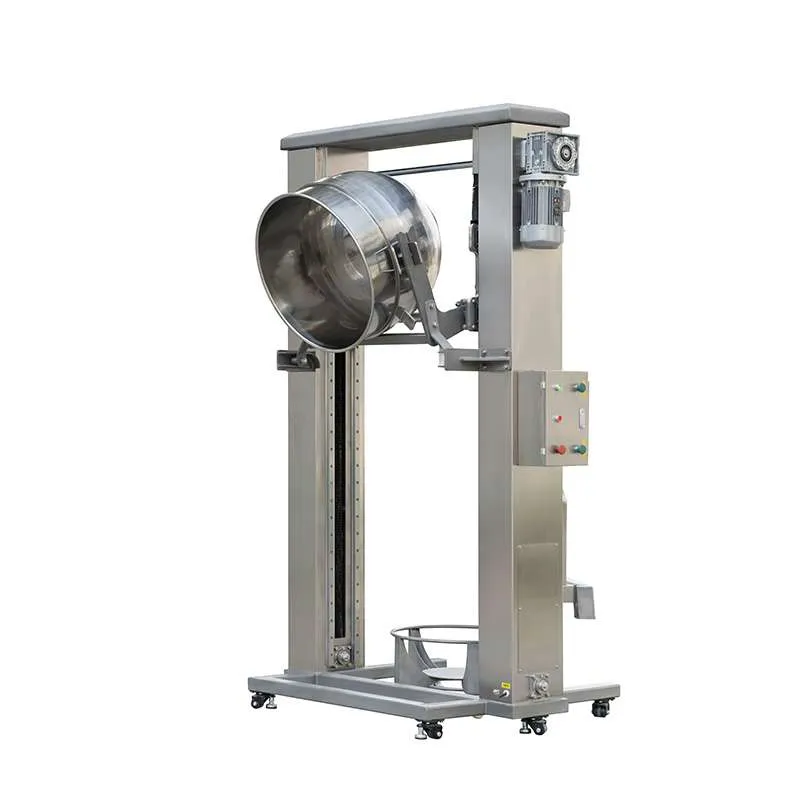
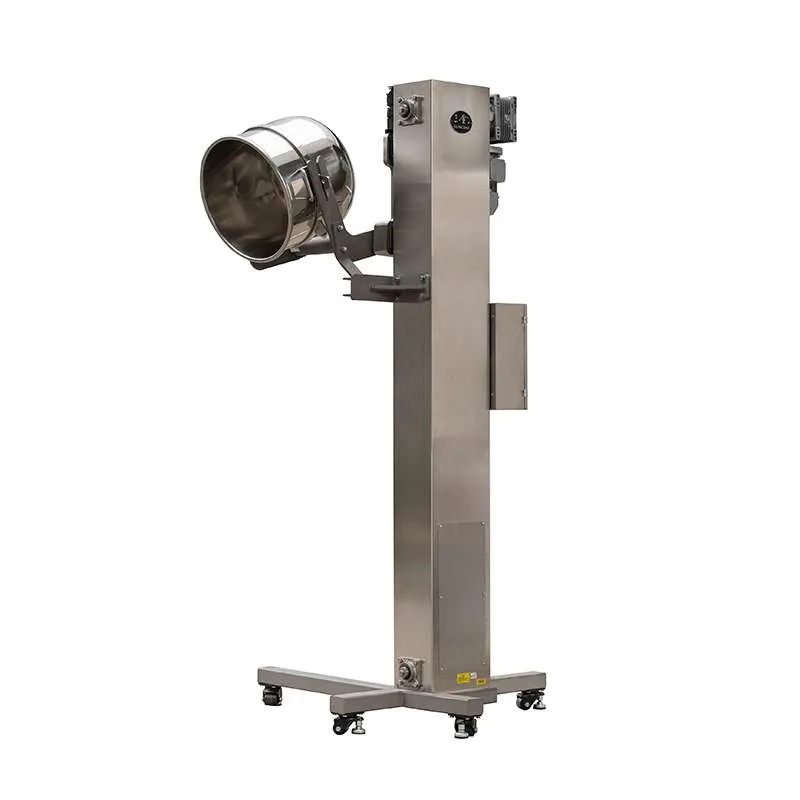
To further improve dough handling efficiency at the end of the mixing stage, an added lifting solution can help move heavy barrels quickly and accurately. The Bucket Lifting Machine For Dough Spiral Mixer is designed for food production scenes where heavy mixing barrels need to be lifted vertically, transferred to the production line, or lowered safely with less manual effort. It helps save manpower, reduce handling time, improve line coordination, and avoid waste or contamination caused by improper movement of raw materials.
For operations seeking more stable workflow after mixing, combining proper mixer dough spiral maintenance with suitable lifting support can improve overall production efficiency and create a more controlled path from dough preparation to the next processing stage.
News List
- Spiral dough mixer capacity gaps that affect daily outputMay 09, 2026
- Is a 10kg dough spiral mixer too small for commercial use?May 09, 2026
- Mixer dough spiral issues that often lead to uneven kneadingMay 09, 2026
- What makes a planetary mixer easier to clean after wet mixes?May 09, 2026
- Why 20 liter planetary mixers are popular in test kitchensMay 09, 2026
- Spiral dough mixer energy use vs output: what really mattersMay 09, 2026
Best-Selling Products
 Industrial Commercial mixer cake Dough Mixer planetary mixer for sale
 Hot Selling SKM-60L 80L 100L Stainless Steel Planetary Mixer
 Bakery Equipment 125kg 150kg Kneader Spiral Dough Mixer
 Double Columns Lifting Machine
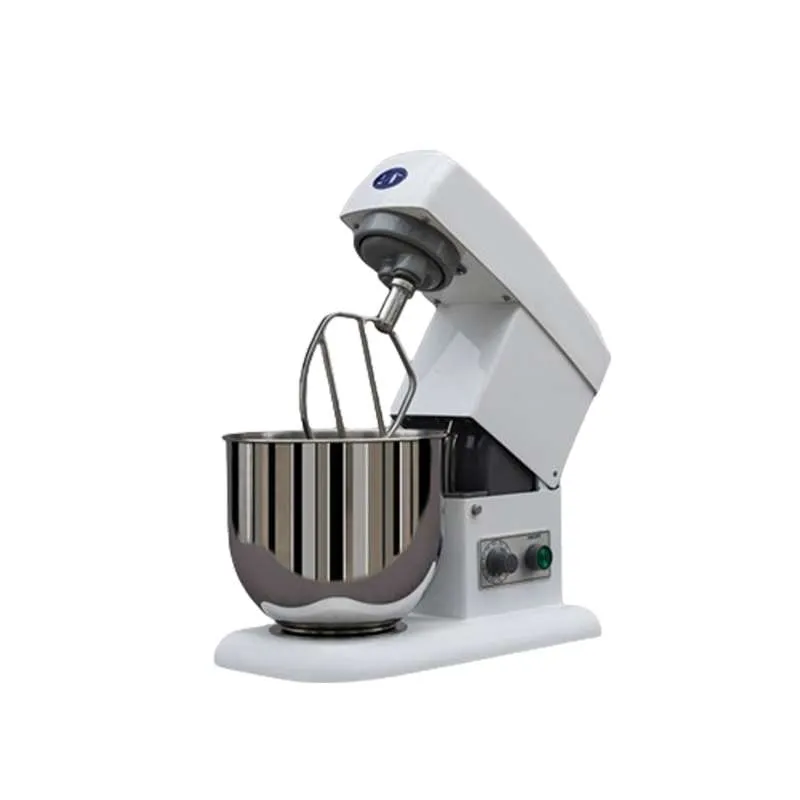
 7L 600W Electric Mixer Stand Mixer Bread Mixer
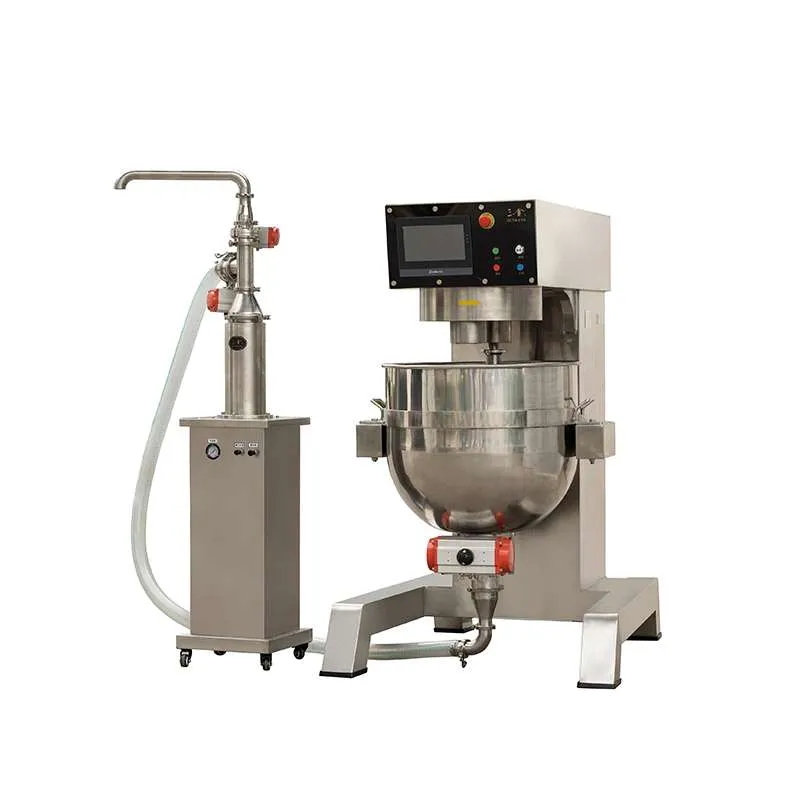
 Piston Pump For Planetary Mixer
 Mobile Planetary Mixer With Mobile Platform And Customizable Height
 2024 Kitchen Mixer With One Ball Commercial Appliances Planetary Mixer
Leave Us a Message
Send us a Message
A dedicated person will follow up on your needs one-on-one and provide personalized customized solutions according
to your needs.
Get In Touch
We look forward to hearing from you for in-depth communication on how to fulfill your mixing requirements.
Please give us a message