
How long should a 10kg dough spiral mixer run per batch?
How long should a 10kg dough spiral mixer run per batch?
When using a dough spiral mixer 10kg, the ideal running time per batch usually depends on dough type, hydration, flour strength, and the desired gluten development. For operators, understanding the right mixing window is essential to avoid under-mixing or overheating the dough. This guide explains how long a 10kg spiral mixer should run and what signs to watch for during each stage.
How long should a 10kg spiral mixer run in most batches?
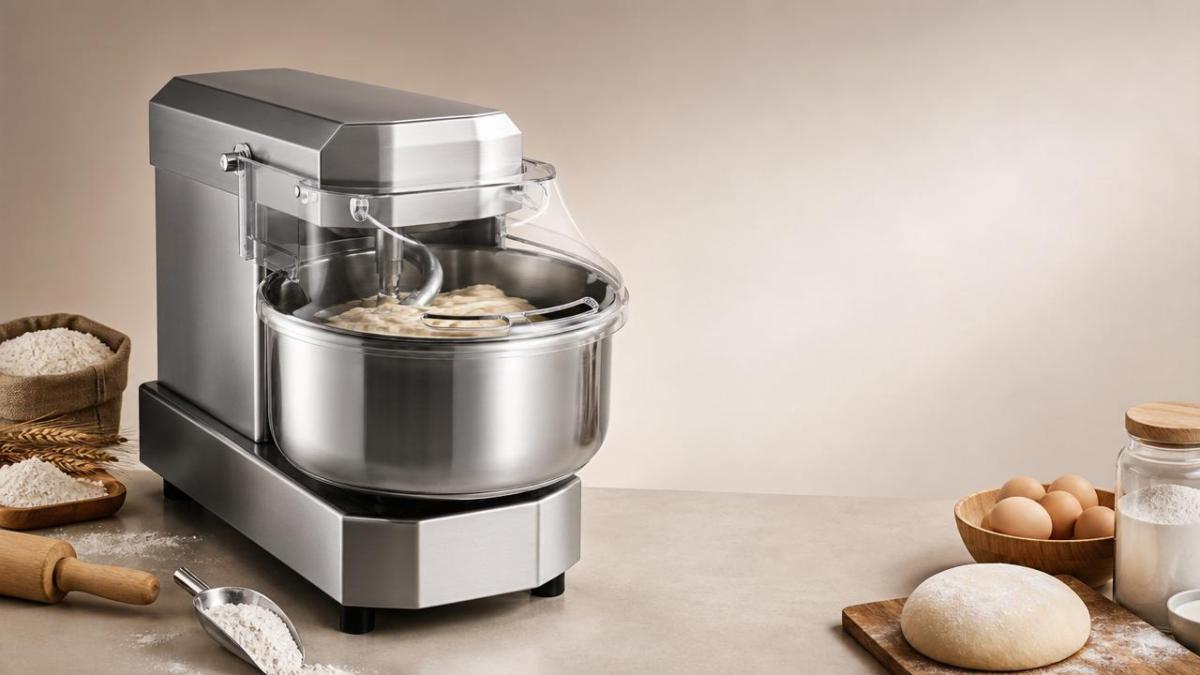
For most standard bread doughs, a 10kg spiral mixer typically runs for 8 to 15 minutes total per batch. In many practical cases, this means 2 to 4 minutes on low speed for ingredient incorporation, followed by 4 to 10 minutes on higher speed for gluten development.
That said, there is no single fixed number that fits every formula. A lean dough for baguettes, a soft bun dough with sugar and fat, and a pizza dough with a long fermentation schedule can all require different mixing times even when made in the same machine.
For operators, the best answer is this: use time as a starting reference, but make your final decision based on dough condition. If you rely only on the clock, you may stop too early and get weak structure, or mix too long and overheat the dough.
As a quick rule of thumb for a dough spiral mixer 10kg:
Lean bread dough: about 8 to 12 minutes total
Medium-enriched dough: about 10 to 14 minutes total
High-sugar or high-fat dough: about 12 to 15 minutes total
Pizza dough for long cold fermentation: often 6 to 10 minutes total, sometimes even shorter if only partial development is desired
Why mixing time is never exactly the same every batch
Operators often ask why yesterday’s dough mixed well in 10 minutes, while today’s batch needs 12 or 13. The reason is simple: dough is influenced by many changing variables. A spiral mixer is consistent, but ingredients and room conditions are not always identical.
The first major factor is flour strength. Strong flour with higher protein usually needs more time to fully organize gluten. Weaker flour may develop faster, but it can also break down sooner if mixed too aggressively.
The second factor is hydration. Wetter dough behaves differently from stiff dough. High-hydration dough can look rough and sticky early in mixing, then become smoother later. Stiffer dough may seem developed faster, but it also puts more load on the mixer.
The third factor is dough temperature. If your water is warm, your flour is hot from storage, or the bakery environment is already warm, the dough may reach target temperature quickly. In that case, long mixing becomes risky because friction heat keeps building.
The fourth factor is batch size. A 10kg machine usually performs best within its practical working range. Very small batches may not engage the spiral and bowl efficiently. Overloaded batches may mix unevenly and require longer time, while also increasing stress on the machine.
Finally, ingredients such as sugar, butter, eggs, milk powder, and improvers can all change the mixing curve. Some formulas need a delayed addition of fat or sugar to let gluten form first. If everything goes in at once, development may slow down.
What operators should watch during the three mixing stages
Instead of focusing only on minutes, it helps to divide the process into three practical stages. This gives operators a clearer way to judge progress and make adjustments during each batch.
Stage 1: Pick-up and incorporation. This usually happens at low speed. Flour, water, yeast, salt, and other ingredients begin to combine. At this stage, the dough looks shaggy, uneven, and rough. Dry flour should gradually disappear, and the mass should start pulling together.
This early phase normally lasts around 2 to 4 minutes in a 10kg spiral mixer, depending on the formula. If the dough still has dry pockets after that, check whether the batch is too small, the hydration is too low, or ingredients were added unevenly.
Stage 2: Development. Once the dough is combined, the mixer moves into the main gluten-forming period, usually at the next speed level if the machine design allows it. The dough becomes smoother, stronger, and more elastic. It starts cleaning the bowl better and wrapping around the spiral in a more regular pattern.
This stage is where most of the useful mixing work happens. For many bread doughs, this phase can last 4 to 8 minutes. Operators should pay attention to texture, elasticity, and temperature rather than waiting for a fixed number on the timer.
Stage 3: Final development or risk of over-mixing. Near the end, the dough often changes quickly. It may go from slightly rough to smooth and extensible within a short window. If you stop at the right moment, the dough has strength and stretch. If you continue too long, the surface may become overly shiny, slack, or sticky as gluten starts to weaken.
This is the point where experienced operators make the biggest difference. The ideal stop point depends on the product. Sandwich bread may need stronger development than artisan bread. Pizza dough may need less final development if long fermentation will continue the gluten organization later.
How to tell if the dough is under-mixed, properly mixed, or over-mixed
The most useful skill for any operator is reading the dough correctly. Time guides the process, but dough condition confirms the answer.
Signs of under-mixed dough:
The surface looks rough and torn rather than smooth. The dough breaks easily when stretched. It has weak gas retention and poor elasticity. During dividing or shaping, it may feel lumpy or inconsistent. In baked products, under-mixed dough often gives low volume and an irregular crumb.
Signs of properly mixed dough:
The surface is smoother and more uniform. The dough feels elastic but not overly tight. It can stretch without tearing immediately. In many formulas, a small piece can be gently extended into a thin film, though the exact “windowpane” expectation depends on the product. The dough also leaves the bowl cleaner and moves in a more organized rhythm.
Signs of over-mixed dough:
The dough becomes too warm, too soft, or sticky. Instead of gaining strength, it starts losing structure. It may smear on the bowl, tear after stretching, or become glossy in a way that suggests gluten breakdown rather than healthy development. Finished products may spread too much, lose volume, or show poor texture.
If you are training new staff, ask them to compare dough samples at different times in the same formula. A side-by-side comparison after 8, 10, 12, and 14 minutes is often more educational than any written instruction.
Recommended time ranges for common dough types in a 10kg spiral mixer
Below are practical starting ranges for operators. These are not absolute rules, but they are useful for daily production planning.
Lean bread dough such as baguette, country bread, or basic loaf dough usually needs around 8 to 12 minutes total. If the hydration is high and the fermentation is long, some bakers intentionally stop at moderate development rather than full development.
Soft bun dough often needs 10 to 14 minutes total because sugar, milk, and fat can slow down gluten formation. Many operators first develop the dough partially, then add butter, and continue mixing until the dough becomes smooth and elastic.
Sweet dough for richer products may need 12 to 15 minutes, sometimes longer depending on sugar percentage and fat content. Watch dough temperature carefully, because rich dough can quickly become warm during the final stage.
Pizza dough commonly needs 6 to 10 minutes total, especially if the dough will ferment for many hours or overnight in cold storage. Full intensive mixing is often unnecessary for this application.
Bagel or low-hydration dough may require strong mechanical work, but it also places more stress on the machine. In this case, operators should avoid overloading the 10kg mixer and may need to extend mixing slightly while monitoring motor load and dough temperature.
How dough temperature affects the correct running time
One of the most common operator mistakes is judging mixing only by appearance and forgetting temperature. A dough can look almost ready but already be too hot. Once dough temperature rises beyond your target, fermentation behavior changes, handling becomes more difficult, and final product consistency may suffer.
Spiral mixers are generally preferred for dough because they are efficient and relatively gentle compared with some other mixer types. Even so, friction still generates heat. The longer the machine runs, the more heat enters the dough.
In many bakeries, target finished dough temperature is often somewhere around 24°C to 27°C for standard bread production, though the ideal range depends on the formula and process. If your dough repeatedly finishes too warm, do not simply reduce yeast to compensate. First review your water temperature, flour storage conditions, room temperature, and mixing time.
Using colder water is one of the easiest ways to control final dough temperature. Another method is to stop mixing slightly earlier if the product allows it. Operators should also avoid unnecessary empty running, because delays between stages can interfere with batch consistency and production rhythm.
Best operating practices for consistent 10kg mixer batches
Consistency comes from a repeatable process, not from guesswork. If different operators use the same dough spiral mixer 10kg, they should follow a shared standard for loading, speed changes, observation points, and end-of-mix checks.
Start by keeping ingredient scaling accurate. Small errors in water or salt can noticeably change dough behavior. Add ingredients in a consistent order, especially when working with sugar, oil, butter, or preferments.
Do not overload the machine. A 10kg spiral mixer has a designed capacity range, and performance usually drops when operators try to force more dough into the bowl. Under-loading can also be a problem if the dough mass is too small to engage properly with the spiral and bowl geometry.
Use a timer, but combine it with observation. For example, you can set expected checkpoints: 3 minutes for full incorporation, 8 minutes for first elasticity check, 10 minutes for temperature check, and so on. This helps new operators learn faster and reduces the chance of over-mixing.
It is also wise to record batch notes. If a dough consistently performs best at 11 minutes in winter but 9 minutes in summer, that information becomes valuable production knowledge. Over time, these records help improve both quality and efficiency.
Common mistakes that make operators run the mixer too long
One frequent mistake is waiting for every dough to pass a full windowpane test. Not all products need maximum gluten development in the mixer. Some doughs benefit from fermentation and folds rather than long machine mixing.
Another mistake is adding fat too early in formulas that need initial gluten development first. When butter or oil coats the flour at the beginning, operators may feel the dough is “slow” and keep extending the run time unnecessarily.
A third mistake is trying to fix poor scaling or poor flour quality by mixing longer. If the formula is off or the flour is inconsistent, extra mixing may only increase temperature and worsen the problem instead of solving it.
Finally, some operators continue running the mixer because the dough still looks sticky. But stickiness alone does not always mean under-mixing. High-hydration doughs and warm doughs can remain tacky even when well developed. Texture must be judged together with elasticity, smoothness, and temperature.
Final answer: what is the right batch time for operators to remember?
If you want one practical answer, remember this: a 10kg spiral mixer usually runs about 8 to 15 minutes per batch, with most standard doughs falling near the middle of that range. Start low for incorporation, then mix only as long as needed to reach the dough condition required by your product.
The most reliable operators do not chase a universal time. They watch for three things together: gluten development, dough temperature, and the needs of the final product. That approach leads to better bread quality, fewer batch failures, and more stable daily production.
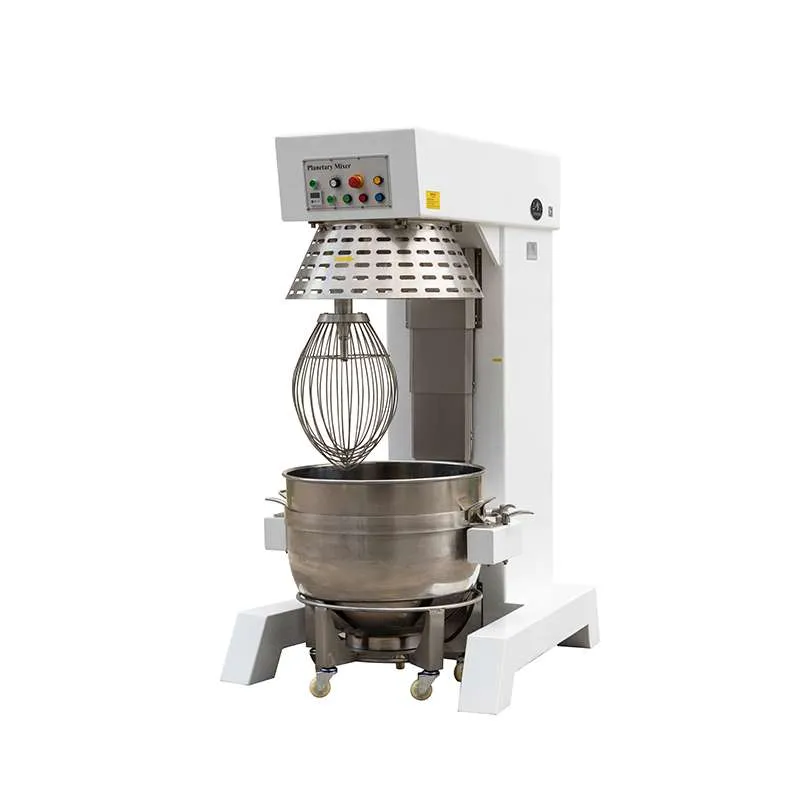
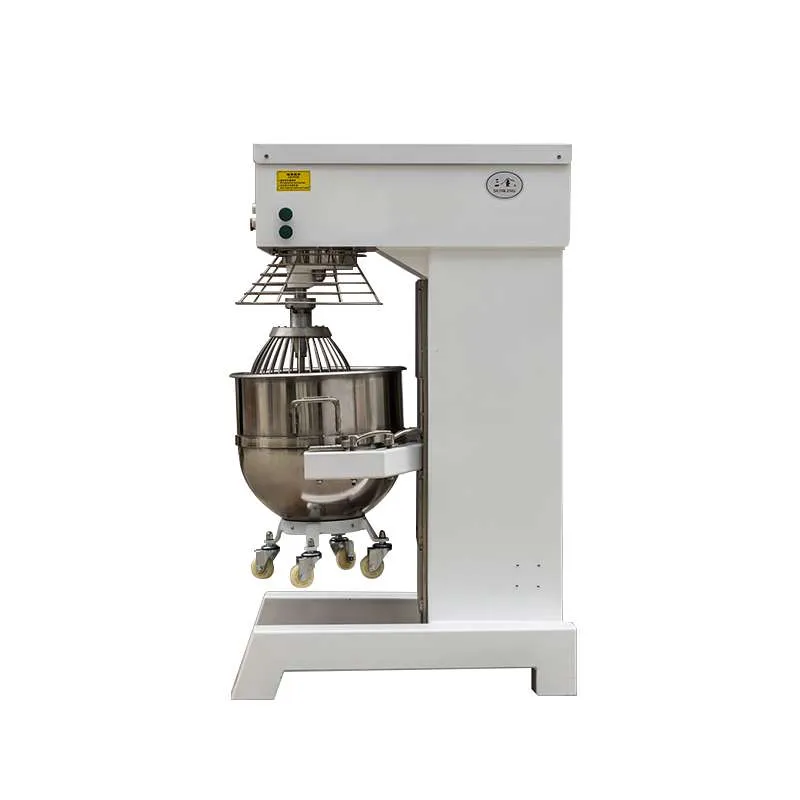
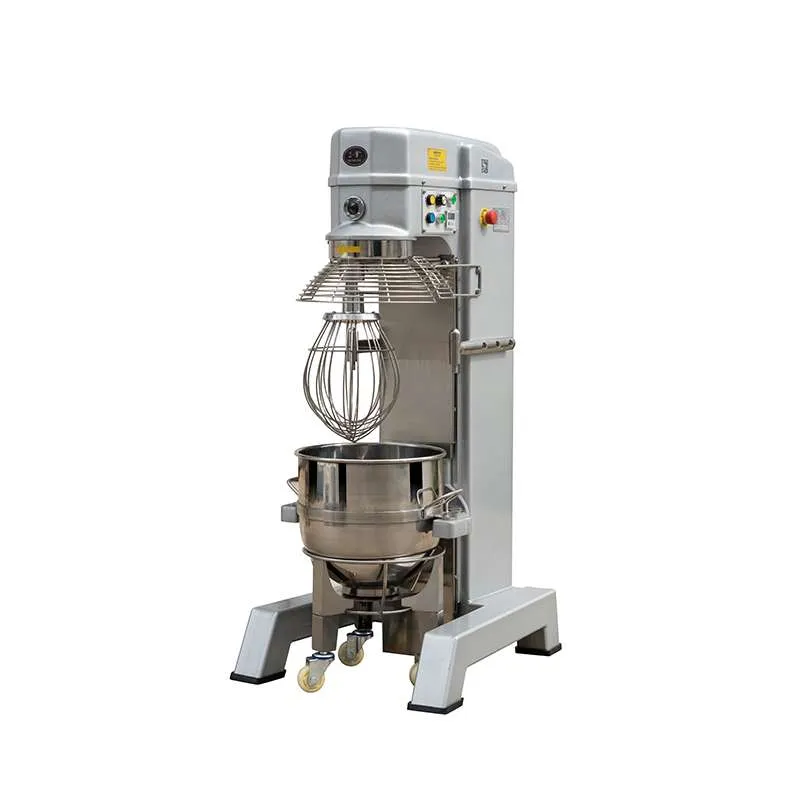
For bakeries that also produce cake batters, cream fillings, or other non-dough products, it can be useful to match the right mixer type to the right task rather than relying on one machine for everything. As an additional option, Zhengzhou Topleap offers the Single Ball Planetary Mixer for cake making applications. Available in SKM-60.L, SKM-80L, and SKM-100L, it features imported belt synchronous transmission, electric lifting, frequency conversion control, four-speed non-stop speed change, automatic barrel locking, and safety functions such as emergency stop and overload protection.
With 380V configurations, 60L to 100L bowl capacities, timing accuracy of 0.1 minute, and designs intended to improve efficiency while reducing labor intensity, this equipment can support safe and automatic continuous production in suitable bakery workflows. Choosing the proper mixer for each product type is one of the simplest ways to improve consistency and operator performance.
News List
- Spiral dough mixer capacity gaps that affect daily outputMay 09, 2026
- Is a 10kg dough spiral mixer too small for commercial use?May 09, 2026
- Mixer dough spiral issues that often lead to uneven kneadingMay 09, 2026
- What makes a planetary mixer easier to clean after wet mixes?May 09, 2026
- Why 20 liter planetary mixers are popular in test kitchensMay 09, 2026
- Spiral dough mixer energy use vs output: what really mattersMay 09, 2026
Best-Selling Products
 Industrial Commercial mixer cake Dough Mixer planetary mixer for sale
 Hot Selling SKM-60L 80L 100L Stainless Steel Planetary Mixer
 Bakery Equipment 125kg 150kg Kneader Spiral Dough Mixer
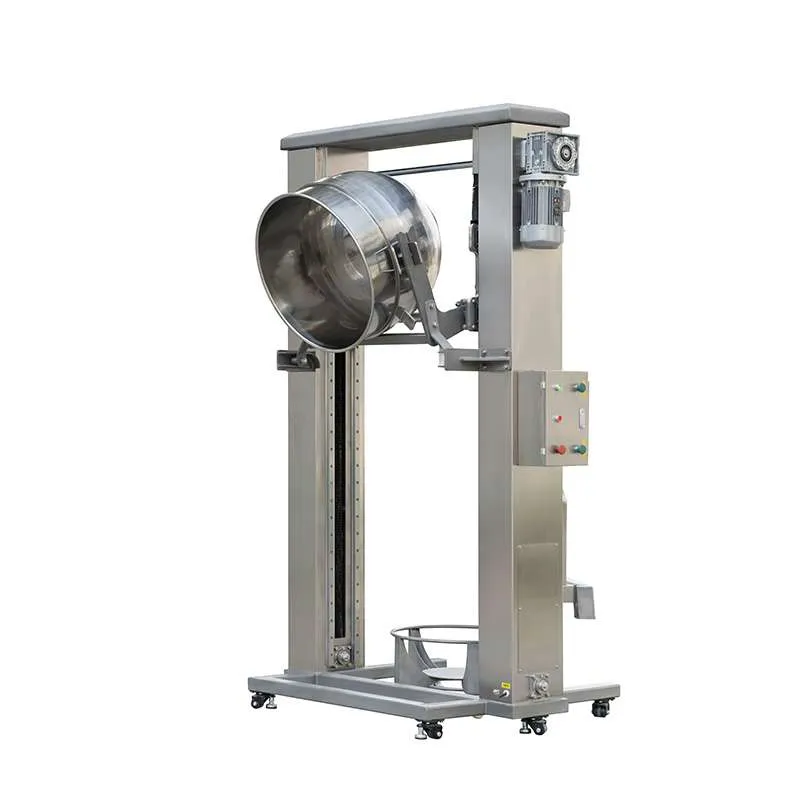
 Double Columns Lifting Machine
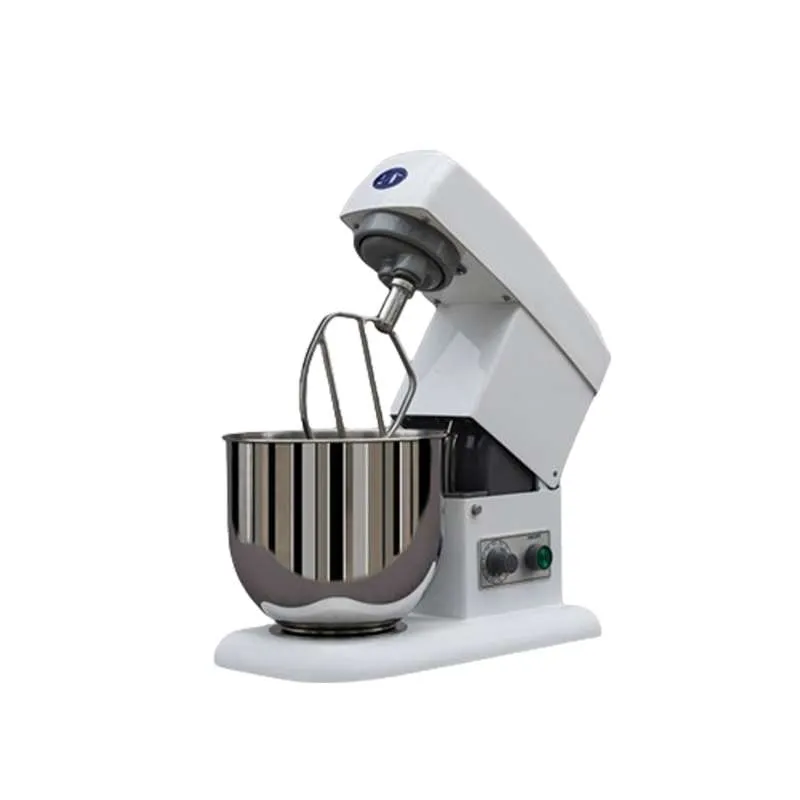
 7L 600W Electric Mixer Stand Mixer Bread Mixer
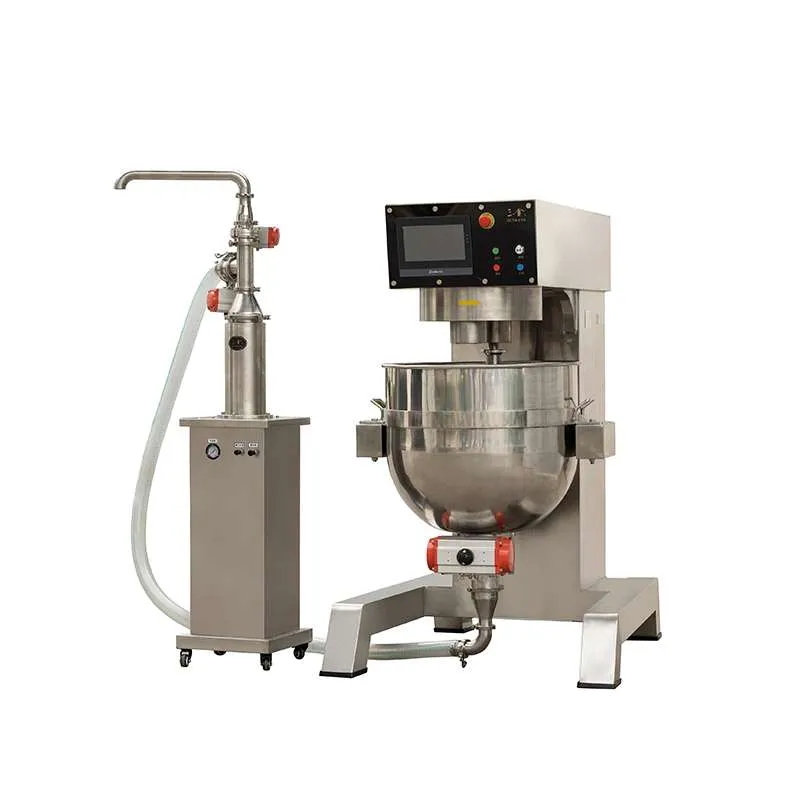
 Piston Pump For Planetary Mixer
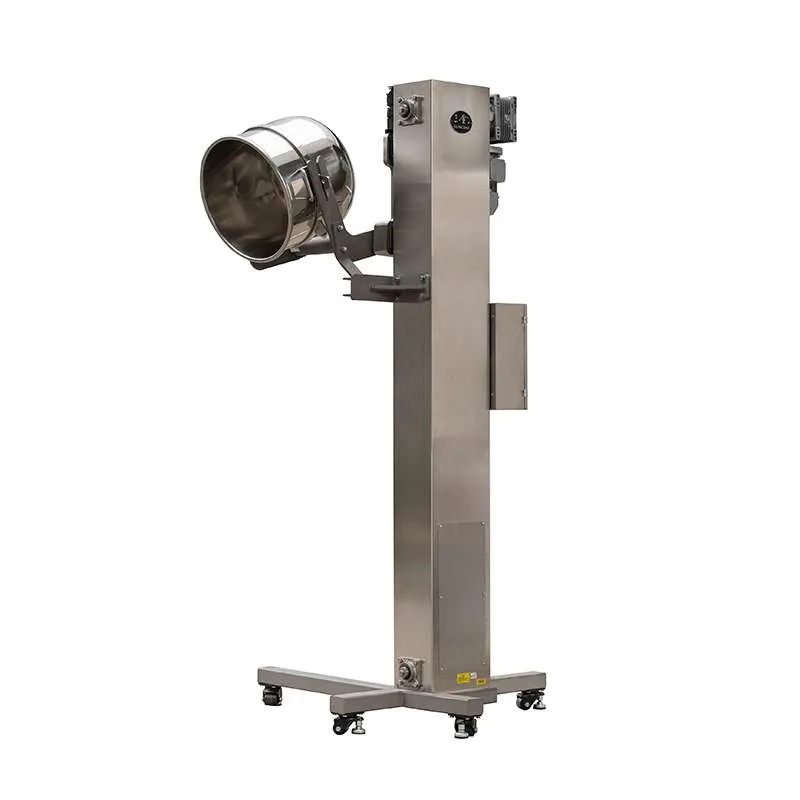
 Mobile Planetary Mixer With Mobile Platform And Customizable Height
 2024 Kitchen Mixer With One Ball Commercial Appliances Planetary Mixer
Leave Us a Message
Send us a Message
A dedicated person will follow up on your needs one-on-one and provide personalized customized solutions according
to your needs.
Get In Touch
We look forward to hearing from you for in-depth communication on how to fulfill your mixing requirements.
Please give us a message