
Mixer dough spiral maintenance points that reduce downtime
Mixer dough spiral maintenance points that reduce downtime
For distributors and agents serving commercial bakeries, understanding mixer dough spiral maintenance points is key to reducing downtime, protecting customer productivity, and strengthening after-sales value. From daily cleaning and lubrication to wear inspection and correct operation, proper care of the mixer dough spiral helps extend equipment life and prevent costly service interruptions in demanding baking environments.
Why a maintenance checklist matters for mixer dough spiral reliability
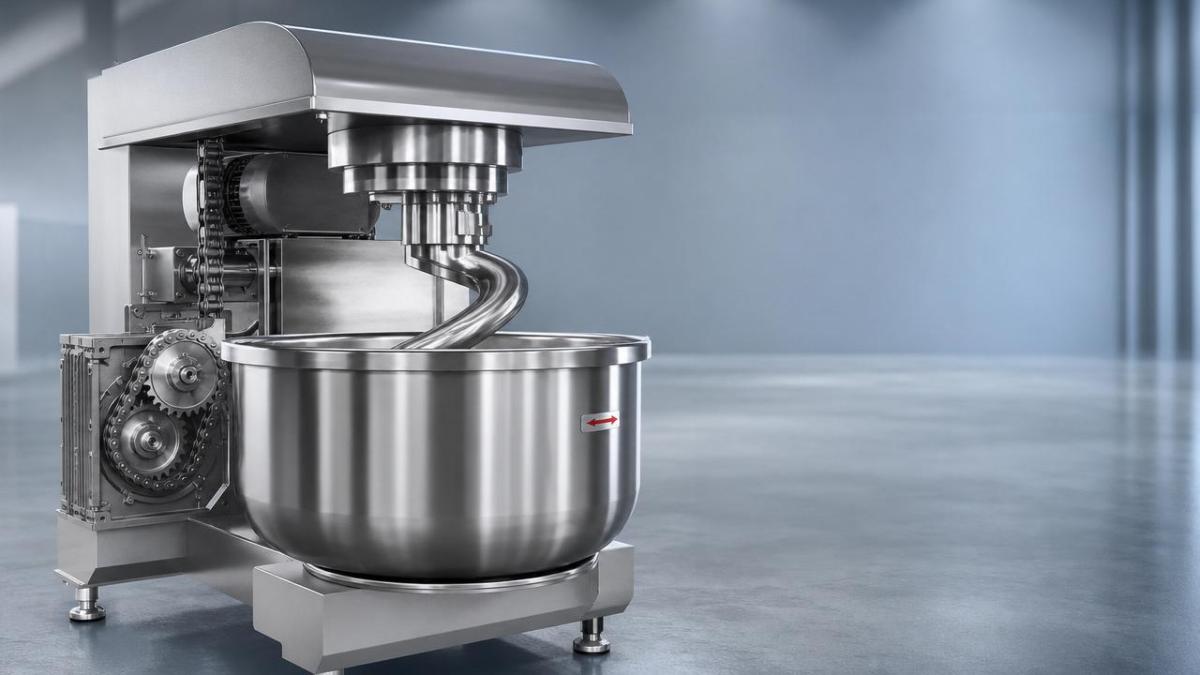
In bakery production, a mixer is not an isolated machine. It affects fermentation timing, dough consistency, loading rhythm, and even the efficiency of downstream thermal processing and food drying workflows where uniform batch preparation matters. When the mixer dough spiral is poorly maintained, the first signs are often subtle: longer mixing times, uneven dough development, rising motor load, vibration, and residue buildup. These issues gradually become urgent failures that interrupt production.
A clear maintenance routine makes service work easier to standardize across sites. It also helps reduce emergency repair costs, improve parts planning, and support more stable bakery output. For operations connected to food machinery lines, especially where dough preparation must feed ovens, proofers, or drying-related equipment on schedule, a dependable mixer dough spiral becomes a productivity safeguard rather than just a component.
Core maintenance points for mixer dough spiral performance
The following checklist can be used during daily, weekly, and scheduled service intervals. Each point focuses on practical actions that reduce unplanned stoppages and help preserve mixing quality.
- Clean the mixer dough spiral after every production cycle to remove sticky dough, flour paste, oil films, and moisture that can harden, trap bacteria, and accelerate corrosion on contact surfaces.
- Check spiral surface condition for scratches, cracks, pitting, or coating damage, because rough or damaged areas increase residue retention, affect dough flow, and make sanitation more difficult.
- Inspect the clearance between the mixer dough spiral and bowl to confirm alignment remains within specification, preventing metal contact, abnormal noise, uneven kneading, and excessive drive strain.
- Verify fasteners, locking points, and shaft connections regularly, since looseness in the spiral assembly often causes vibration, unstable torque transfer, and early wear on bearings and couplings.
- Lubricate designated moving parts according to the manufacturer schedule, using food-compatible lubricants where required, while avoiding over-lubrication that may migrate toward product zones or attract flour dust.
- Monitor bearing temperature and sound during operation, as overheating, grinding noise, or irregular humming near the mixer dough spiral drive area usually indicates friction, contamination, or lubrication failure.
- Observe motor current and mixing time trends, because a gradual rise often signals increased resistance from product buildup, misalignment, worn transmission parts, or overload conditions during heavy dough batches.
- Confirm operators are loading ingredients in the correct order and within rated batch capacity, since improper feeding creates uneven stress on the mixer dough spiral and shortens mechanical service life.
- Inspect seals and protective covers for wear or gaps, preventing flour ingress, water intrusion during cleaning, and contamination of internal drive components that support stable spiral movement.
- Record all service actions, replacement dates, and recurring abnormalities, creating a useful maintenance history that supports troubleshooting, parts stocking, and more accurate preventive service planning.
Daily, weekly, and monthly service rhythm
Daily attention points
Daily care should focus on cleanliness, visible wear, and operating behavior. After shutdown and lockout, remove dough remnants from the mixer dough spiral, bowl, and adjacent guards using approved tools that do not scratch stainless contact areas. Wipe moisture away completely to reduce corrosion risk, especially in humid bakery rooms where washdown is frequent.
Before the next start, confirm that the spiral rotates smoothly without abnormal rubbing or hesitation. A simple pre-shift observation can catch issues before they become stoppages during peak output hours.
Weekly inspection points
A weekly routine should go beyond surface cleaning. Check bolt tightness, inspect the mixer dough spiral shaft connection, evaluate belt or chain condition where applicable, and look for signs of bearing fatigue such as heat discoloration or grease leakage. Review whether dough consistency has changed, because maintenance issues often appear first as process variation.
Monthly preventive checks
Monthly work should include a more structured review of alignment, wear measurement, motor load data, and lubrication records. If a site handles high-volume production, a monthly check may need to become biweekly. For bakery lines integrated with proofing, baking, cooling, and food drying equipment, any delay in dough preparation can ripple through the whole process, making preventive work far less costly than emergency shutdowns.
Maintenance differences across operating scenarios
High-hydration dough production
Wet dough tends to adhere more strongly to the mixer dough spiral, increasing residue accumulation and sanitation difficulty. In this scenario, cleaning frequency must be strict, and operators should watch for hidden buildup around the lower spiral area and bowl transition zones. Any hardened residue can disturb dough circulation and create extra drag during the next batch.
Dense or low-hydration dough mixing
Heavier dough puts greater torque demand on the mixer dough spiral and drive system. Capacity compliance is critical here. Overfilling the bowl or shortening mixing stages with aggressive loading may save minutes temporarily, but it sharply increases wear on shafts, bearings, and transmission elements. Monitoring current draw is especially valuable in this application.
Multi-shift bakery operations
Where equipment runs across long shifts, the maintenance window is limited. Standardized handover notes become essential. One team may notice mild vibration, another may notice longer discharge time, and a third may miss both unless there is a written record. In continuous production environments, trend tracking is often more useful than isolated inspection snapshots.
Facilities with strict hygiene control
Sites with strict sanitation protocols need to balance hygiene with mechanical protection. Excessive water pressure aimed at drive-side areas can force moisture into bearings or seals. The mixer dough spiral itself may be washable, but nearby components may require controlled cleaning methods. Maintenance teams should define exactly which areas are safe for direct washdown and which need damp wiping only.
Commonly overlooked issues that lead to downtime
Ignoring early vibration: Light vibration is often dismissed as normal, yet it can indicate imbalance, mounting looseness, or spiral alignment drift. If left unchecked, it may damage bearings and reduce mixing consistency.
Using the wrong cleaning tools: Metal scrapers and abrasive pads can scratch the mixer dough spiral surface. Scratches trap material, complicate cleaning, and create sanitation risks that build over time.
Overlooking ingredient loading practices: Maintenance problems are not always mechanical in origin. Repeated overloads, poor sequencing of flour and water, or sudden heavy additions can stress the spiral and drive system unnecessarily.
Delaying small parts replacement: A worn seal, loose fastener, or aging coupling may seem minor, but these inexpensive items often trigger major stoppages when they fail under full production load.
Missing maintenance records: Without trend history, recurring faults appear random. Service documentation helps identify whether the same mixer dough spiral issue follows a specific dough type, shift pattern, or cleaning method.
Practical execution advice for better service outcomes
Create a one-page routine that separates operator care from technician work. Operators can handle cleaning, visible checks, and abnormal noise reporting. Technicians can handle lubrication, alignment, wear evaluation, and parts replacement. This division improves consistency and avoids skipped tasks.
Set trigger thresholds instead of relying on subjective judgment alone. For example, define acceptable vibration level, bearing temperature range, current fluctuation, and clearance standard. Measurable limits make maintenance decisions faster and more reliable.
Keep critical spare parts available for the most common failure points related to the mixer dough spiral, including bearings, seals, fasteners, couplings, and approved lubricants. Shorter repair time directly reduces line disruption and supports stronger after-sales responsiveness.
FAQ about mixer dough spiral maintenance
How often should a mixer dough spiral be cleaned?
It should be cleaned after each production cycle or product changeover. In high-hydration applications, additional intermediate cleaning may be necessary to prevent buildup and maintain hygiene.
What is the first sign of spiral-related trouble?
Common early signs include unusual noise, mild vibration, increased mixing time, inconsistent dough development, and higher motor load. Early response usually prevents larger failures.
Can incorrect operation damage the mixer dough spiral?
Yes. Overloading, incorrect ingredient feeding order, and running with hardened residue or poor alignment can all shorten service life and reduce mixing efficiency.
Conclusion and next steps
Reliable mixer dough spiral performance depends on disciplined daily cleaning, scheduled inspection, correct lubrication, proper loading practices, and timely replacement of worn parts. In bakery environments where mixers support broader food machinery workflows, reducing downtime is not only about fixing faults quickly. It is about preventing avoidable interruptions before they affect dough quality, production rhythm, and delivery commitments.
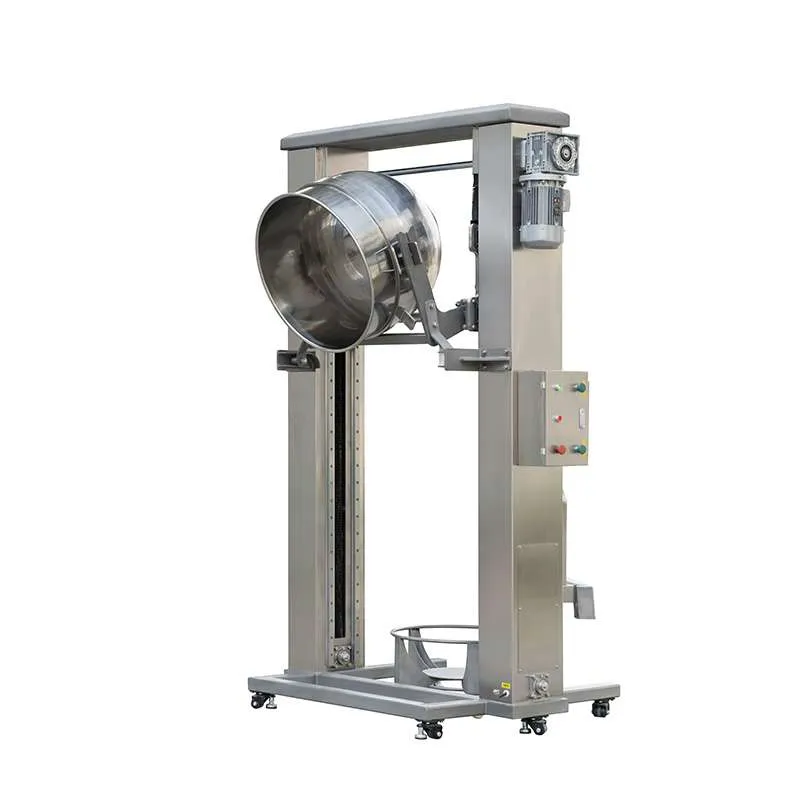
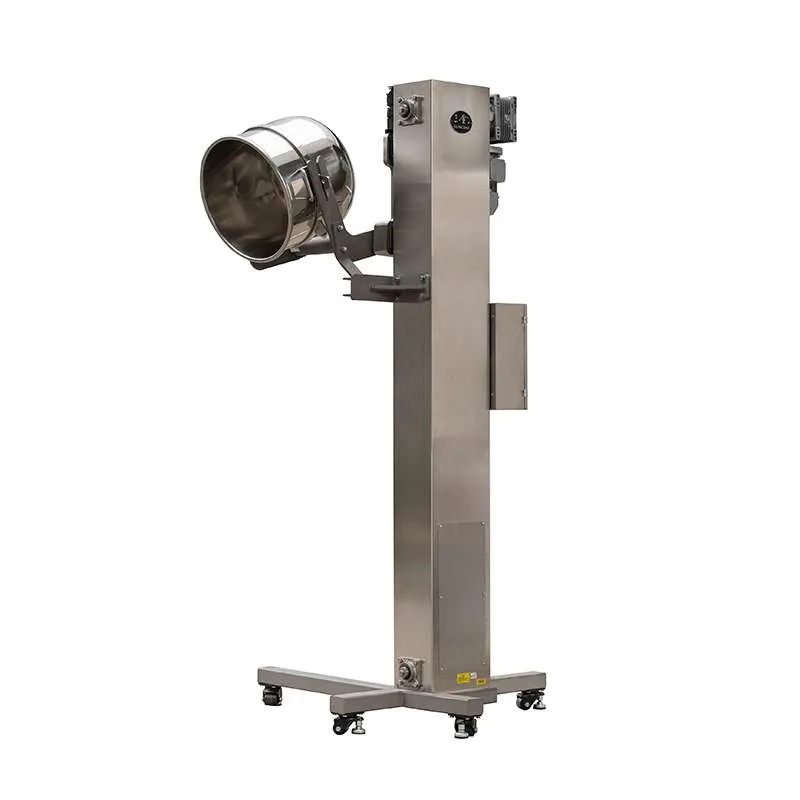
Zhengzhou Topleap Food Machinery Co., Ltd., founded in 2000 in Xinmi Quliang Industrial Park, focuses on the design, production, and sales of baking equipment. With the domestic “Sanking” brand and the international “TOPLEAP” brand, the company has built long-term market recognition through stable quality, practical technology, and responsive service across China and overseas markets. For lines that need smoother material flow around dough preparation, an added handling solution can further improve efficiency. The Bucket Lifting Machine For Dough Spiral Mixer is designed for food production and can vertically lift heavy mixing barrels, reduce manual handling, support fast and accurate transfer, and help maintain timely raw material supply. In busy production lines, this type of equipment can improve overall operating efficiency while reducing labor intensity and raw material handling risks.
News List
- Spiral dough mixer capacity gaps that affect daily outputMay 09, 2026
- Is a 10kg dough spiral mixer too small for commercial use?May 09, 2026
- Mixer dough spiral issues that often lead to uneven kneadingMay 09, 2026
- What makes a planetary mixer easier to clean after wet mixes?May 09, 2026
- Why 20 liter planetary mixers are popular in test kitchensMay 09, 2026
- Spiral dough mixer energy use vs output: what really mattersMay 09, 2026
Best-Selling Products
 Industrial Commercial mixer cake Dough Mixer planetary mixer for sale
 Hot Selling SKM-60L 80L 100L Stainless Steel Planetary Mixer
 Bakery Equipment 125kg 150kg Kneader Spiral Dough Mixer
 Double Columns Lifting Machine
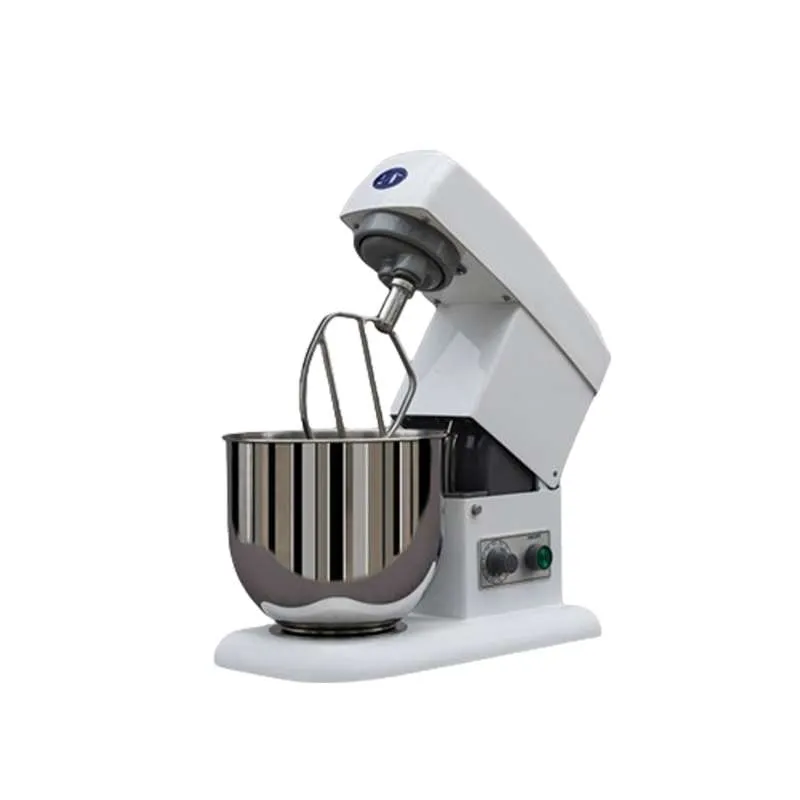
 7L 600W Electric Mixer Stand Mixer Bread Mixer
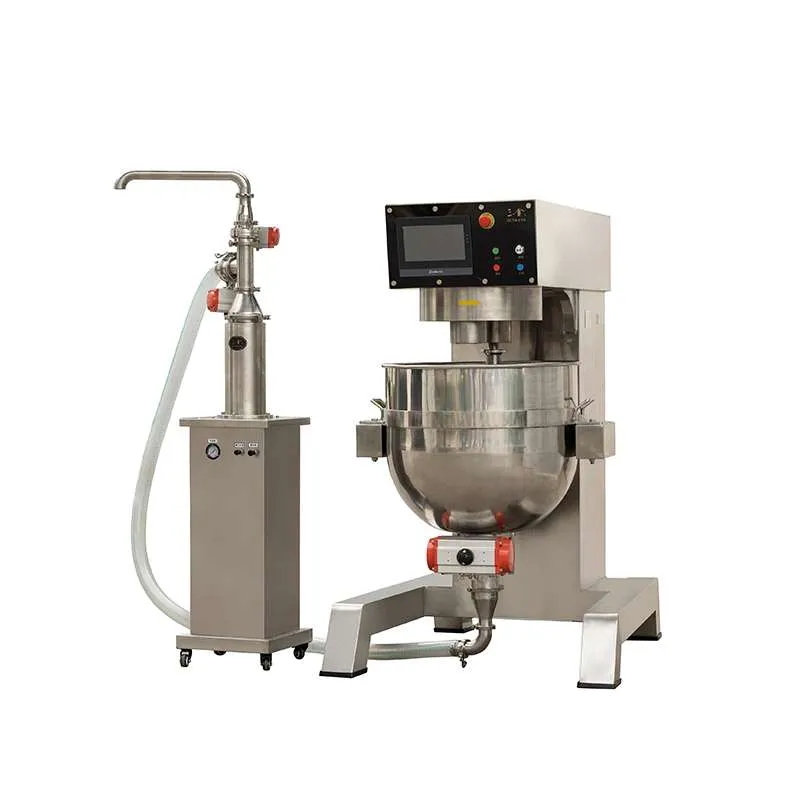
 Piston Pump For Planetary Mixer
 Mobile Planetary Mixer With Mobile Platform And Customizable Height
 2024 Kitchen Mixer With One Ball Commercial Appliances Planetary Mixer
Leave Us a Message
Send us a Message
A dedicated person will follow up on your needs one-on-one and provide personalized customized solutions according
to your needs.
Get In Touch
We look forward to hearing from you for in-depth communication on how to fulfill your mixing requirements.
Please give us a message