
5 Key Factors to Consider When Buying a Planetary Mixer for Bakeries
5 Key Factors to Consider When Buying a Planetary Mixer for Bakeries
Introduction to Planetary Mixers for Bakeries
Choosing the right planetary mixer for your bakery is crucial for efficiency and quality. This guide explores 5 key factors when selecting industrial food mixers - from capacity and power to bowl design and safety features. Whether you need a bread mixer, cake mixer, or versatile stand mixer, understanding these aspects will help bakers, procurement teams, and food technicians make informed decisions about food mixer machines that meet production demands.
1. Capacity and Production Volume
The mixer's capacity directly impacts your bakery's output. Commercial models typically handle 6-150kg batches, with industrial versions accommodating larger volumes. Consider both current needs and future growth when selecting capacity.
For operations requiring flexibility, consider models like the 6-150kg Commercial Industrial Dough Mixer Spiral Mixers which offer variable capacity options. The VFM-6S model, for instance, handles 6kg flour batches with a 41L bowl volume, ideal for bakeries needing to switch between different product lines.
2. Power and Speed Control
Mixer power determines how efficiently it handles dense doughs and large batches. Look for motors with 0.6-3kW ratings for commercial use, while industrial models may require 5-15kW. The speed control system is equally important for different mixing stages.
Key speed considerations include:
- Infinitely variable speed control for precise adjustments
- Dual-speed systems (e.g., 80-286/0-26.5 rpm ranges)
- Programmable speed settings for consistent results
- Overload protection to prevent motor burnout
Advanced models feature microcomputer/manual dual control systems, allowing operators to switch between automated and manual modes as needed. This flexibility is particularly valuable when working with specialty ingredients or testing new recipes.
3. Bowl Design and Material
The mixing bowl's design affects both performance and workflow efficiency. Stainless steel remains the industry standard for durability and hygiene, with bowl volumes ranging from 20L to 200L in commercial models.
For bakeries with space constraints, consider compact models with dimensions around 545*280*550mm that still offer substantial mixing capacity. The bowl's shape should facilitate proper ingredient incorporation and easy cleaning between batches.
4. Safety and Protection Features
Industrial mixers must incorporate multiple safety mechanisms to protect operators and equipment. Essential safety features include:
- Overload protection to prevent motor damage
- Phase loss protection for electrical safety
- Emergency stop buttons within easy reach
- Interlock systems preventing operation when open
- Non-slip feet for stability during mixing
Modern mixers often include smart sensors that automatically adjust power when detecting dense dough or potential overload situations. These features significantly reduce downtime and maintenance costs while ensuring operator safety.
5. Maintenance and Service Support
A mixer's long-term value depends on its maintenance requirements and available service support. Consider these factors:
Maintenance intervals typically range from:
- Daily cleaning of bowls and attachments
- Weekly inspection of moving parts
- Monthly lubrication of gears and bearings
- Annual professional servicing
When evaluating models, check the availability of replacement parts and the manufacturer's service network. Equipment with standardized components often has lower long-term maintenance costs and shorter downtime when repairs are needed.
Conclusion and Next Steps
Selecting the ideal planetary mixer requires balancing capacity needs, power requirements, safety features, and maintenance considerations. By carefully evaluating these five factors against your bakery's specific production requirements, you can make an informed investment that delivers consistent results and operational efficiency.
For bakeries seeking versatile solutions, the 6-150kg Commercial Industrial Dough Mixer Spiral Mixers with their dual-speed continuously variable speed technology offer adaptable mixing performance for various dough types and production volumes.
To discuss your specific mixer requirements or request detailed specifications, contact our baking equipment specialists today for personalized recommendations tailored to your operation's scale and product mix.
News List
- Spiral dough mixer capacity gaps that affect daily outputMay 09, 2026
- Is a 10kg dough spiral mixer too small for commercial use?May 09, 2026
- Mixer dough spiral issues that often lead to uneven kneadingMay 09, 2026
- What makes a planetary mixer easier to clean after wet mixes?May 09, 2026
- Why 20 liter planetary mixers are popular in test kitchensMay 09, 2026
- Spiral dough mixer energy use vs output: what really mattersMay 09, 2026
Best-Selling Products
 Industrial Commercial mixer cake Dough Mixer planetary mixer for sale
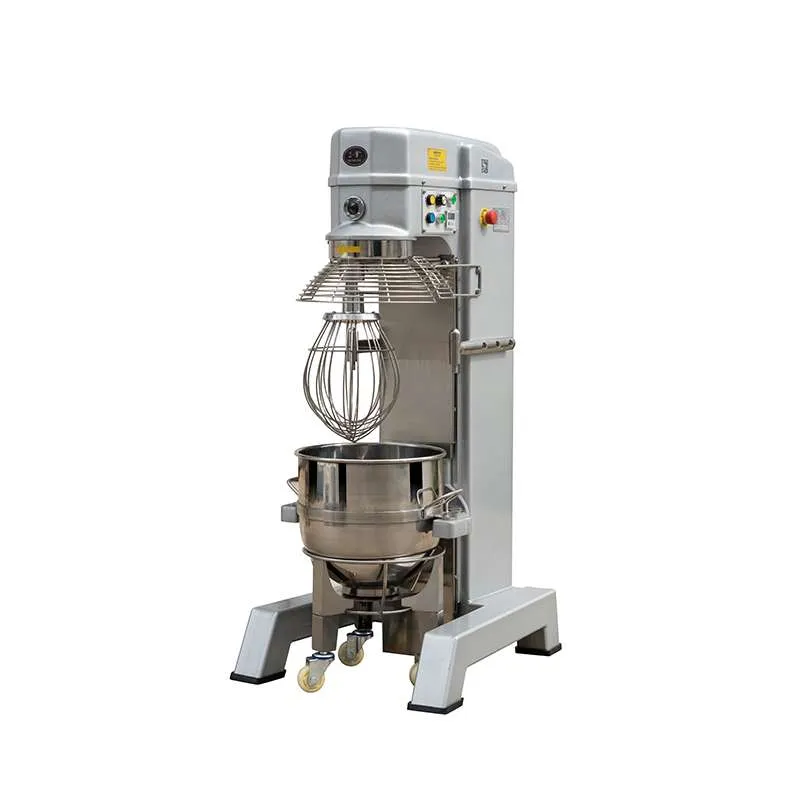
 Hot Selling SKM-60L 80L 100L Stainless Steel Planetary Mixer
 Bakery Equipment 125kg 150kg Kneader Spiral Dough Mixer
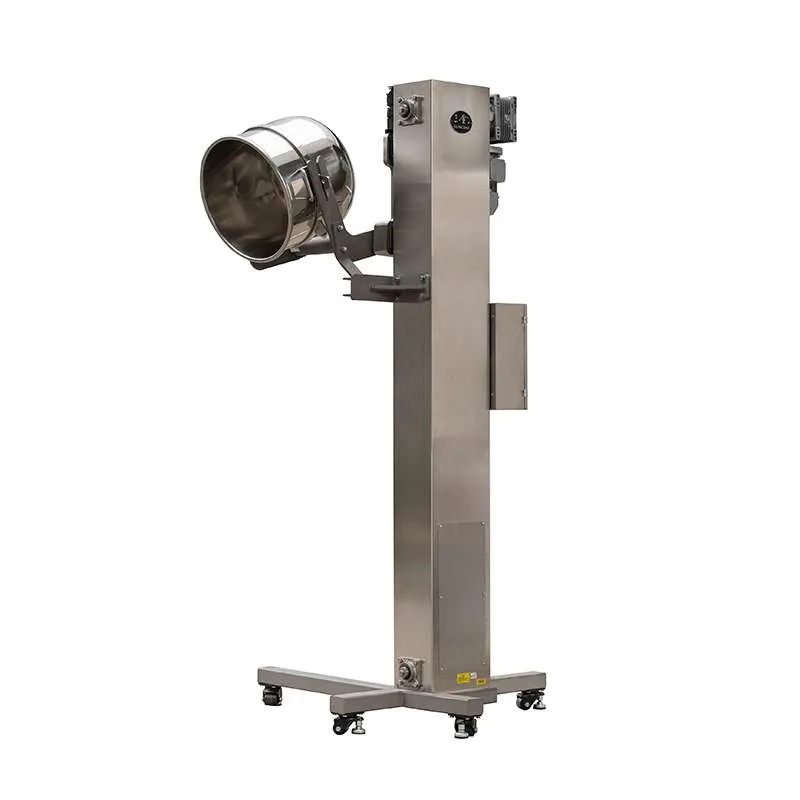
 Double Columns Lifting Machine
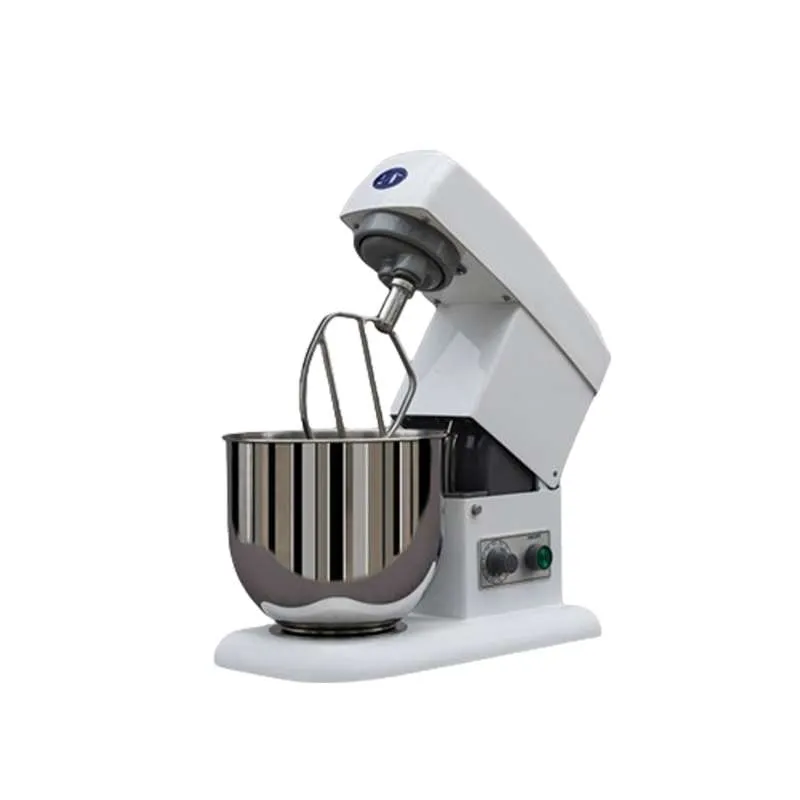
 7L 600W Electric Mixer Stand Mixer Bread Mixer
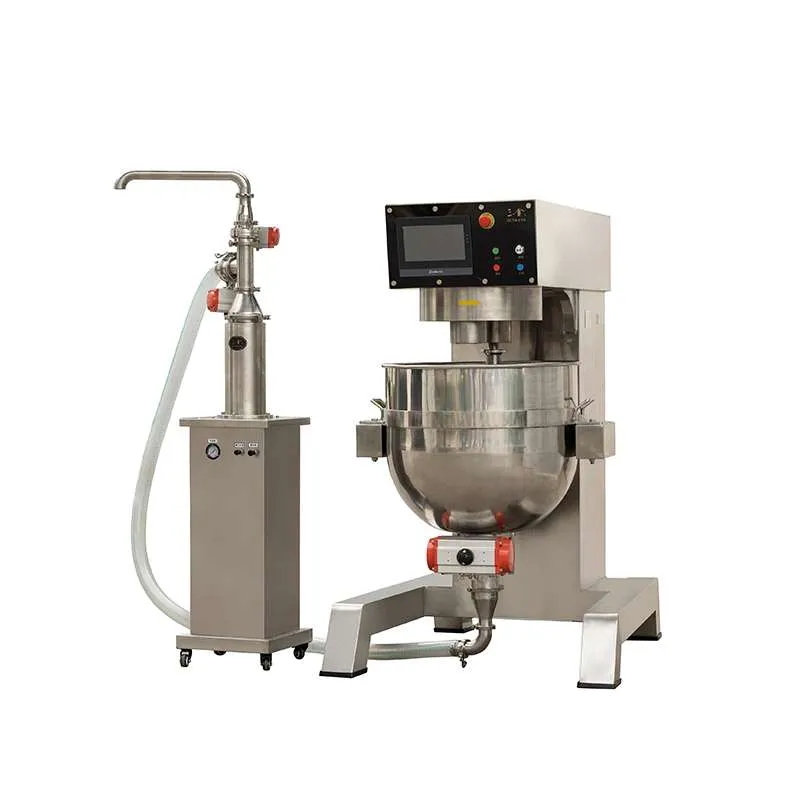
 Piston Pump For Planetary Mixer
 Mobile Planetary Mixer With Mobile Platform And Customizable Height
 2024 Kitchen Mixer With One Ball Commercial Appliances Planetary Mixer
Leave Us a Message
Send us a Message
A dedicated person will follow up on your needs one-on-one and provide personalized customized solutions according
to your needs.
Get In Touch
We look forward to hearing from you for in-depth communication on how to fulfill your mixing requirements.
Please give us a message