
What Makes a Professional Cake Mixer Different from Home Models?
What Makes a Professional Cake Mixer Different from Home Models?
Key Differences Between Professional and Home Cake Mixers
Ever wondered what sets professional cake mixers apart from home stand mixers? Industrial food mixers like TOPLEAP's Planetary Mixers are engineered for precision, durability, and high-volume performance. Unlike domestic models, these food mixing machines feature robust motors, commercial-grade materials, and advanced kneading technology - crucial for bakeries needing consistent dough quality. Whether you're a pastry chef evaluating equipment or a procurement specialist comparing food mixer machines, understanding these differences ensures optimal baking results and long-term ROI.
1. Motor Power and Performance
Professional mixers typically operate with 1.5-3.0 kW motors compared to home models' 0.3-0.8 kW range. This power difference enables commercial machines to:
- Handle 20-60L batches versus 4-7L in domestic units
- Maintain consistent torque during heavy dough mixing
- Operate continuously for 8-12 hours without overheating
2. Construction and Durability
Commercial-grade mixers use imported steel wire and industrial bearings that withstand 5-10 times more operating cycles than consumer models. Key durability features include:
Technical Specifications Comparison
When evaluating commercial mixers like the Double Ball Planetary Mixer, these technical parameters matter most for production environments:
Speed and Control Systems
Professional models offer stepless speed regulation from 20-816 rpm with precise timing accurate to 0.1 minutes, compared to home mixers' limited 3-10 fixed speeds. This allows:
- Optimal gluten development for different flour types
- Precision aeration control for meringues and creams
- Repeatable results across multiple batches
Capacity and Efficiency
The SKM series with 20-60L capacities demonstrates how commercial mixers improve productivity:
*Based on 8-hour operation with 15-20 minute mixing cycles
Operational Advantages for Commercial Users
Beyond raw specifications, professional mixers solve critical pain points for bakeries and food producers:
Labor Efficiency Features
The Double Ball Planetary Mixer's electric lifting system eliminates manual bowl handling - a major ergonomic benefit when processing 40-60 batches daily. Other productivity boosters include:
- Automatic barrel locking for quick changeovers (30-45 second savings per batch)
- Simultaneous dual-bucket operation in SKM-40D/SKM-60D models
- Integrated trolley systems for easy material transport
Consistency and Quality Control
Precision timing and speed control ensure uniform results critical for:
- Consistent crumb structure in artisan breads
- Stable emulsion in dairy products and ice cream bases
- Repeatable aeration in sponge cakes and mousses
FAQ: Professional Mixer Selection
How do I choose between single and double planetary mixers?
Double planetary models (like SKM series) provide better ingredient incorporation for viscous batters and doughs. Consider them for:
- High-gluten doughs requiring thorough development
- Thick custards and cheesecake batters
- Operations needing simultaneous mixing in dual bowls
What maintenance do commercial mixers require?
Professional models need:
- Weekly gearbox lubrication (200-300 operating hours)
- Monthly motor brush inspection (carbon brush models)
- Annual professional servicing for bearings and seals
Why Choose TOPLEAP Commercial Mixers
With 20+ years specializing in baking equipment, TOPLEAP's mixers deliver:
- Imported belt synchronous transmission for reduced vibration
- 380V industrial power compatibility for stable operation
- Custom configurations for specific production needs
Contact our engineering team to discuss your exact capacity requirements, dough types, and production workflow for optimal mixer selection.
News List
- Spiral dough mixer capacity gaps that affect daily outputMay 09, 2026
- Is a 10kg dough spiral mixer too small for commercial use?May 09, 2026
- Mixer dough spiral issues that often lead to uneven kneadingMay 09, 2026
- What makes a planetary mixer easier to clean after wet mixes?May 09, 2026
- Why 20 liter planetary mixers are popular in test kitchensMay 09, 2026
- Spiral dough mixer energy use vs output: what really mattersMay 09, 2026
Best-Selling Products
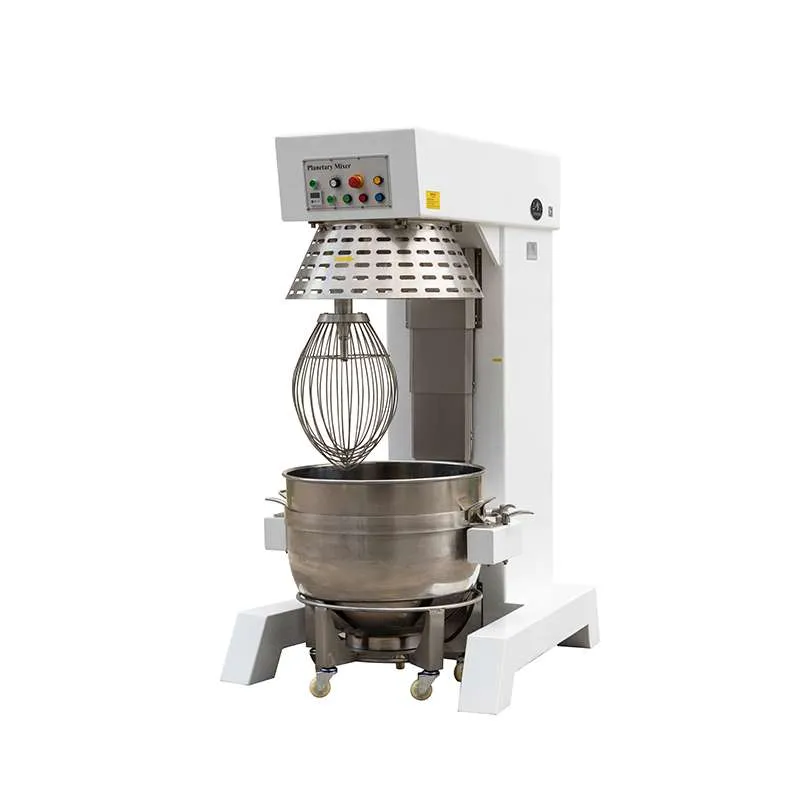
 Industrial Commercial mixer cake Dough Mixer planetary mixer for sale
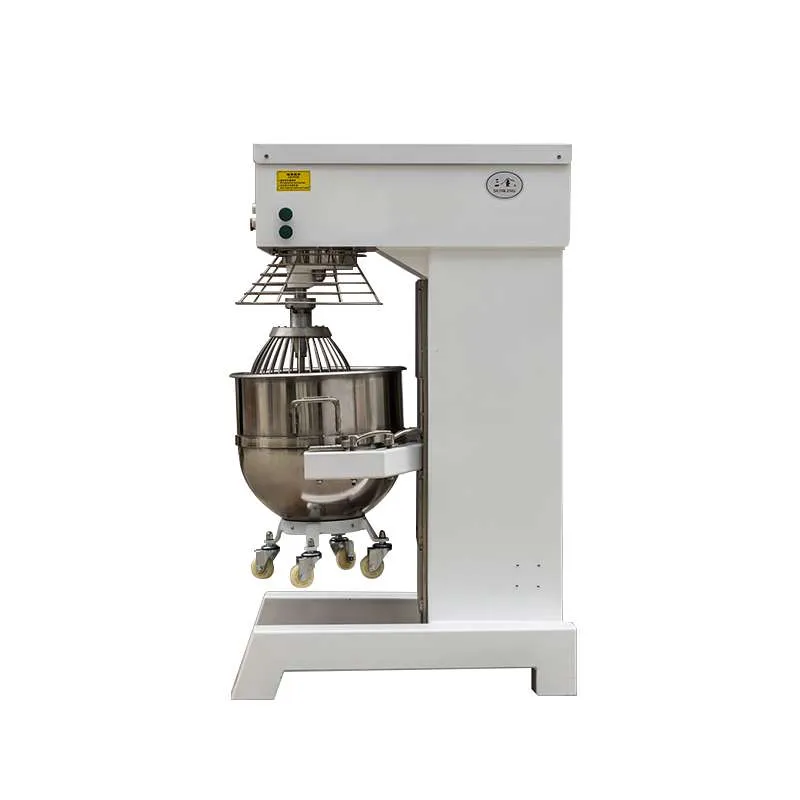
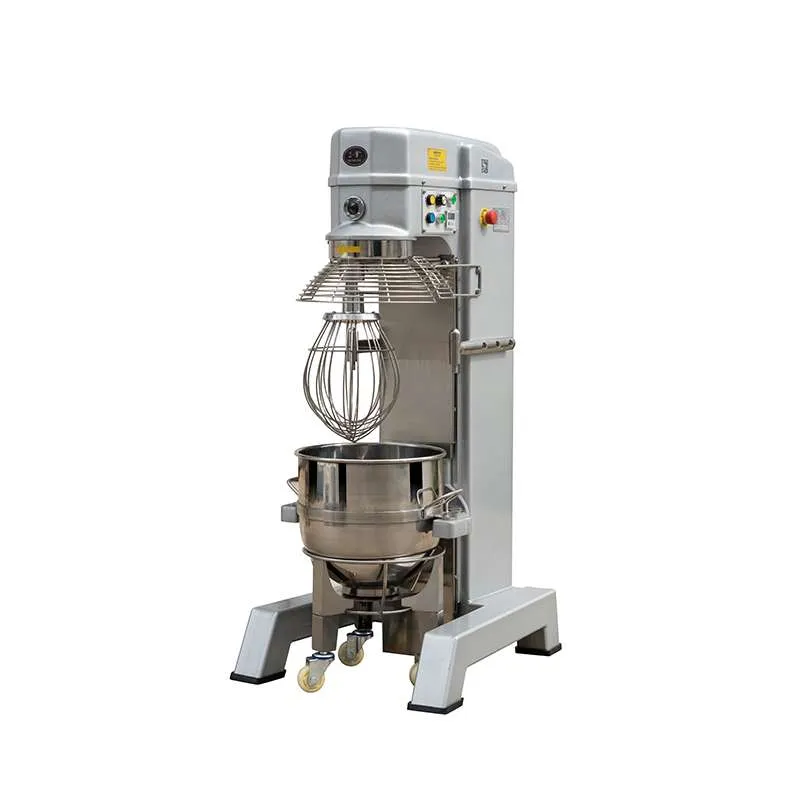
 Hot Selling SKM-60L 80L 100L Stainless Steel Planetary Mixer
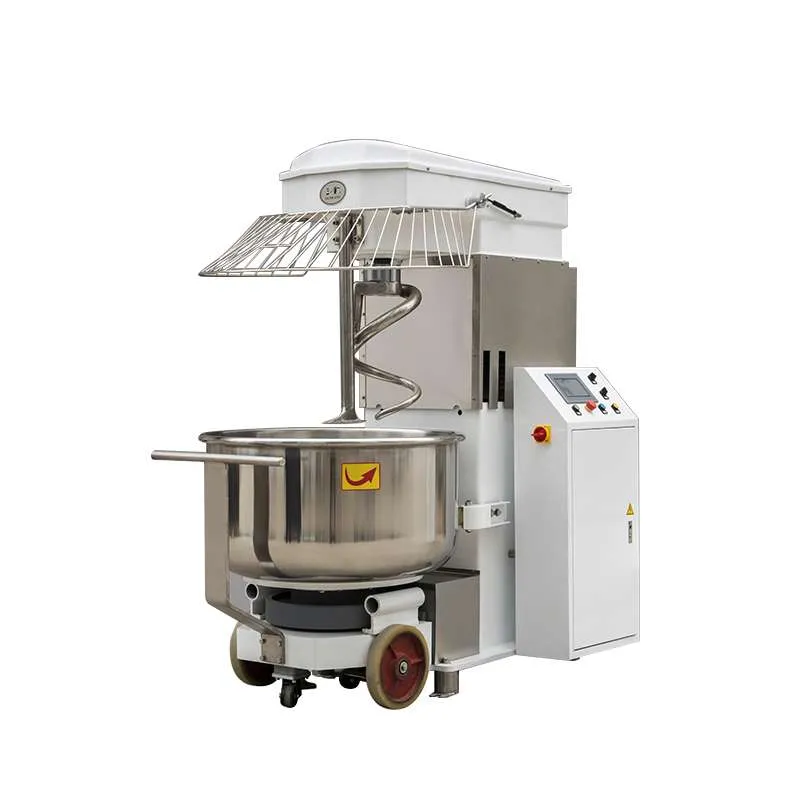
 Bakery Equipment 125kg 150kg Kneader Spiral Dough Mixer
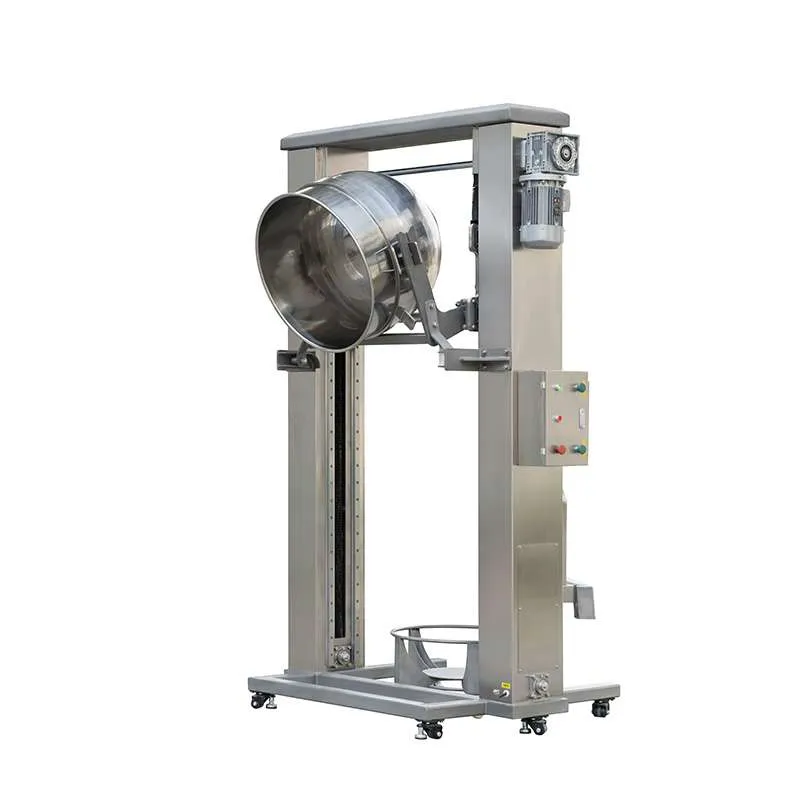
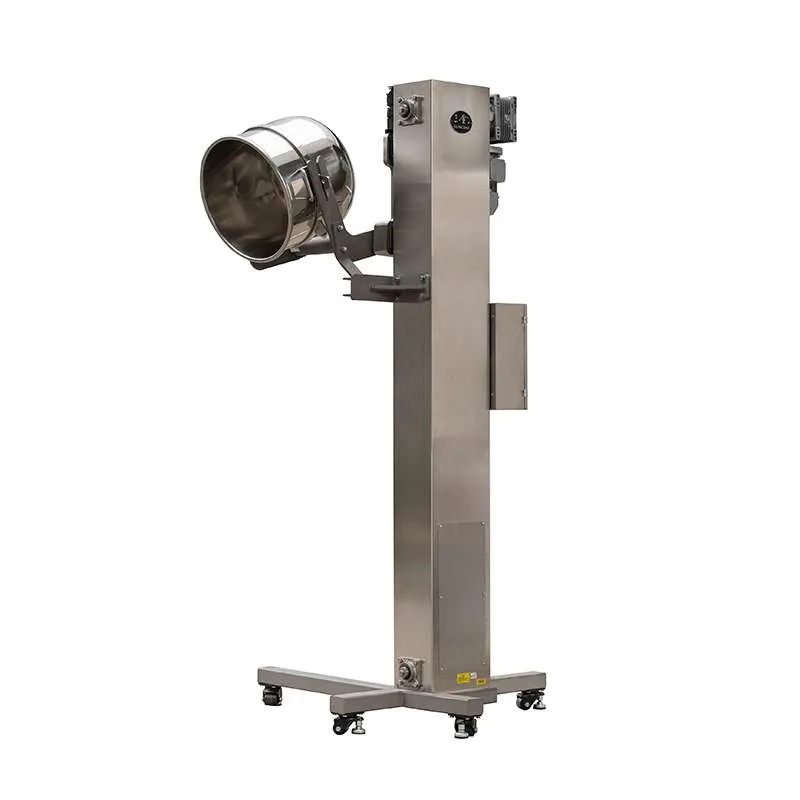
 Double Columns Lifting Machine
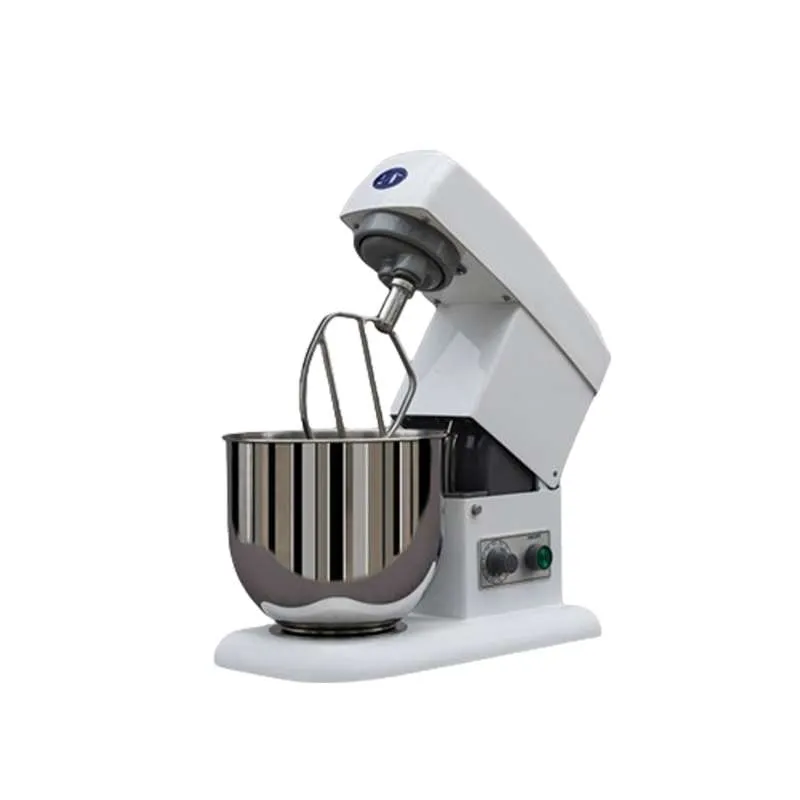
 7L 600W Electric Mixer Stand Mixer Bread Mixer
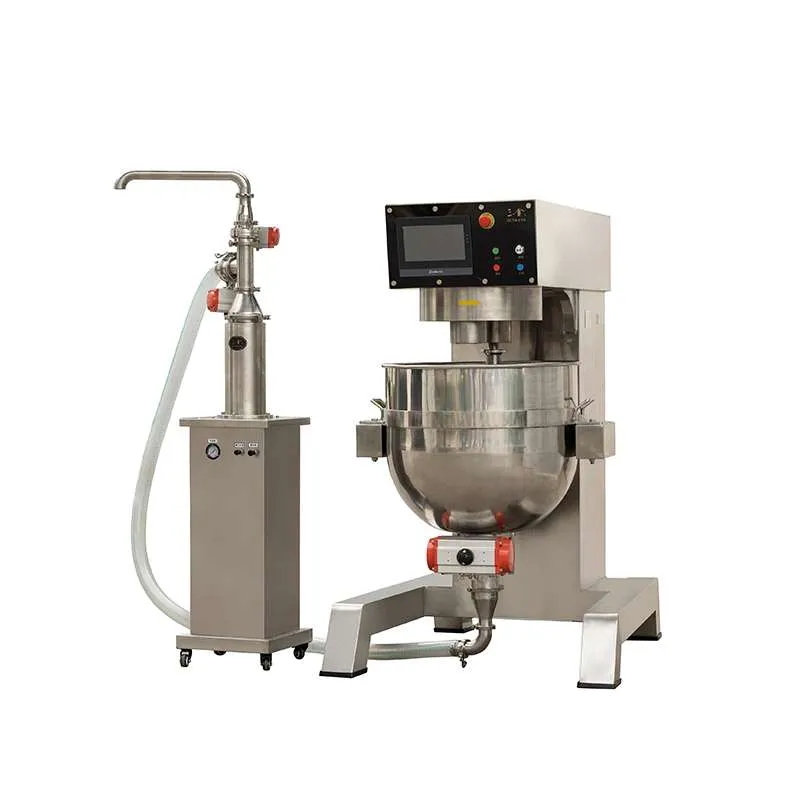
 Piston Pump For Planetary Mixer
 Mobile Planetary Mixer With Mobile Platform And Customizable Height
 2024 Kitchen Mixer With One Ball Commercial Appliances Planetary Mixer
Leave Us a Message
Send us a Message
A dedicated person will follow up on your needs one-on-one and provide personalized customized solutions according
to your needs.
Get In Touch
We look forward to hearing from you for in-depth communication on how to fulfill your mixing requirements.
Please give us a message