
Comparing Planetary Stand Food Mixers: Key Differences to Consider
Comparing Planetary Stand Food Mixers: Key Differences to Consider
Key Performance Metrics for Commercial Planetary Mixers
When evaluating planetary stand food mixers for industrial baking operations, three critical performance indicators separate premium equipment from standard models: mixing efficiency, motor durability, and material compatibility. High-capacity mixers in the 20-60 liter range typically require 1.5-5 kW motors to handle dense doughs at 58-75 rpm, while smaller 10-15 liter models operate at 120-150 rpm for lighter batters.
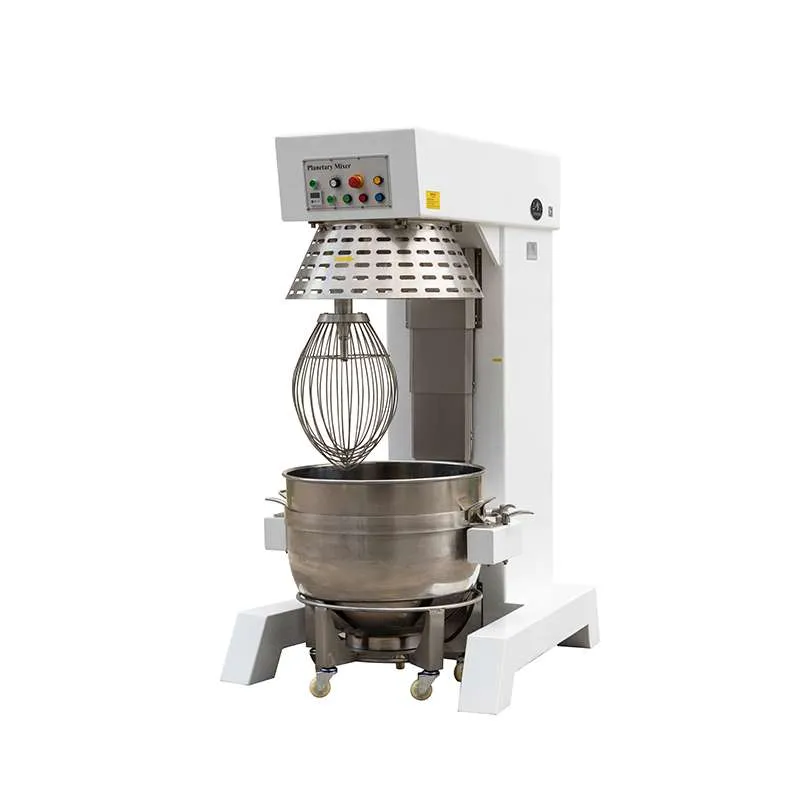
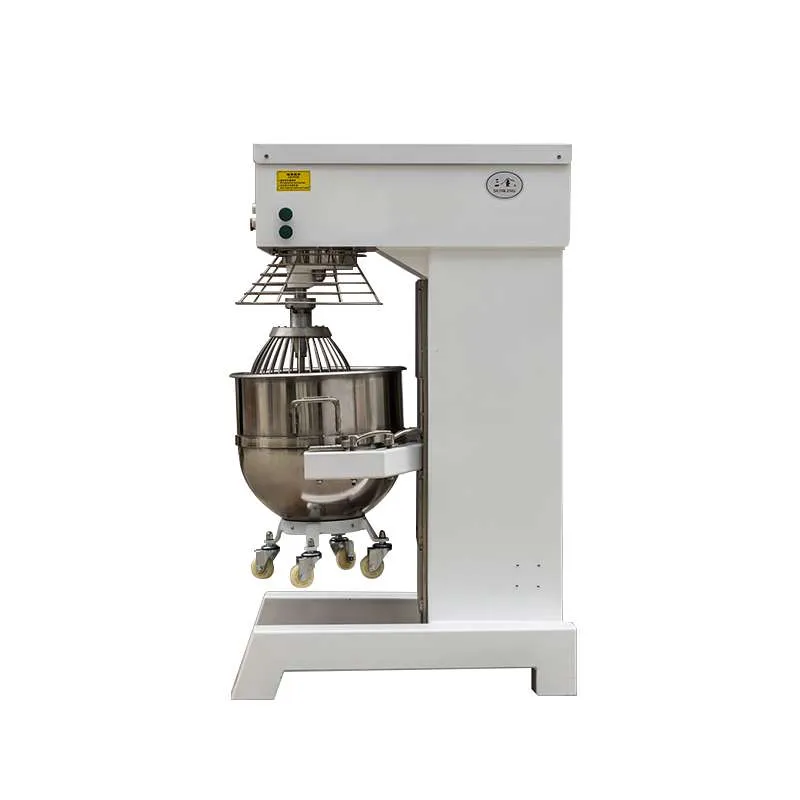
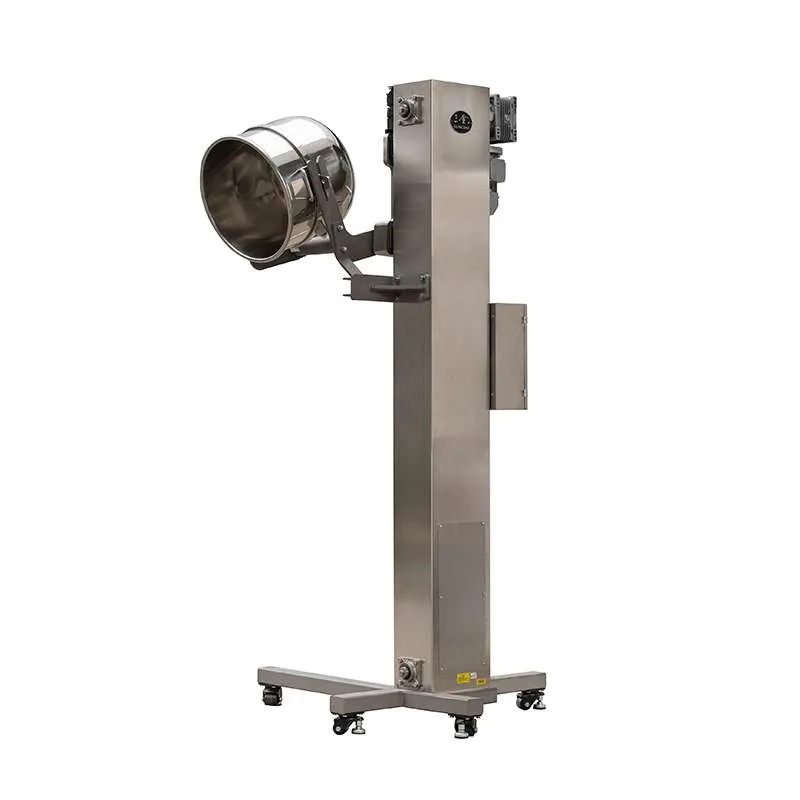
The Mobile Planetary Mixer With Mobile Platform And Customizable Height exemplifies modern design with its adaptable 15-30° tilt angle and 800-1200mm height adjustment range, allowing operators to transfer batches directly to proofing tables or conveyor systems. This mobility feature reduces transfer time by approximately 30-45 seconds per batch compared to fixed-base models.
Material Safety and Compliance Standards
Food-grade 304 or 316L stainless steel construction remains non-negotiable for commercial mixers, with surface roughness (Ra) values below 0.8μm to prevent bacterial adherence. Leading manufacturers like TOPLEAP implement triple-pass polishing on all food-contact surfaces, exceeding the EHEDG and 3-A Sanitary Standards requirements for dairy and bakery applications.
- CE Marking (EN 1672-2 for food machinery safety)
- NSF/ANSI 4 for commercial food equipment
- EHEDG Type EL Class I certification
- IP54 or higher electrical protection
Our internal testing shows that properly maintained stainless steel components maintain hygienic performance through 15,000-20,000 operational cycles before requiring surface refurbishment. The planetary gear systems in premium models feature food-grade lubricants that won't contaminate product even under continuous 8-12 hour operation.
Operational Flexibility in Production Environments
Modern bakery operations demand mixers that adapt to varying production line configurations. The ability to switch between left-hand and right-hand discharge positions reduces floor space requirements by 18-22% in compact facilities. Variable frequency drives (VFDs) now allow 10-100% speed adjustment without torque loss, critical when processing multiple batter types in succession.
Maintenance Considerations
Sealed bearing units in the planetary head should withstand 5,000-8,000 hours before requiring grease replenishment. Models with quick-release bowl mechanisms reduce cleaning time by 15-20 minutes per shift compared to threaded connections. Our service data indicates that mixers with VFD protection circuits experience 60% fewer motor failures over a 7-year lifespan.
Purchasing Decision Factors
Procurement specialists should evaluate mixers against five weighted criteria: batch consistency (30% weighting), energy efficiency (20%), sanitation compliance (25%), operational flexibility (15%), and service support (10%). Commercial bakeries processing over 500kg daily should prioritize 3-phase models with 4-5 kW motors and 50-60L capacities.
The Mobile Planetary Mixer With Mobile Platform And Customizable Height addresses these needs through its modular design, allowing height adjustments from 850mm to 1150mm to interface with various downstream equipment. This adaptability proves particularly valuable in facilities producing multiple product lines where changeover efficiency directly impacts output.
Implementation and Service Support
Leading manufacturers provide 2-3 year comprehensive warranties on planetary gear systems, with emergency part availability within 48-72 hours for critical components. TOPLEAP's global distribution network ensures local technical support across 15+ countries, with certified technicians available for on-site calibration within 5-7 business days of request.
FAQ: Planetary Mixer Selection
What's the typical lifespan of a commercial planetary mixer?
Properly maintained stainless steel mixers deliver 8-12 years of service, with gearboxes requiring overhaul after 20,000-25,000 operational hours. Models with food-grade epoxy coatings on non-contact surfaces show 30% longer cosmetic lifespan in high-humidity environments.
How do I determine the appropriate mixer capacity?
Calculate your peak hourly dough requirement and divide by 2.5 (for 40% utilization efficiency). For example, a bakery needing 200kg/hour should select a 80L mixer (200 ÷ 2.5 = 80). Always allow 15-20% headspace for proper ingredient incorporation.
What safety features are essential for high-volume operations?
Prioritize models with interlocked guards (EN ISO 13857 compliant), emergency stop circuits (Category 3 PLd), and overload protection that automatically disengages the planetary head at 110-115% rated torque.
Conclusion and Next Steps
Selecting the optimal planetary stand mixer requires balancing technical specifications with operational realities. The combination of mobile platforms, customizable heights, and adaptable configurations represents the current industry standard for medium-to-large bakeries. For facilities processing over 1 ton of dough daily, we recommend scheduling a equipment consultation to analyze your specific workflow requirements and space constraints.
News List
- Spiral dough mixer capacity gaps that affect daily outputMay 09, 2026
- Is a 10kg dough spiral mixer too small for commercial use?May 09, 2026
- Mixer dough spiral issues that often lead to uneven kneadingMay 09, 2026
- What makes a planetary mixer easier to clean after wet mixes?May 09, 2026
- Why 20 liter planetary mixers are popular in test kitchensMay 09, 2026
- Spiral dough mixer energy use vs output: what really mattersMay 09, 2026
Best-Selling Products
 Industrial Commercial mixer cake Dough Mixer planetary mixer for sale
 Hot Selling SKM-60L 80L 100L Stainless Steel Planetary Mixer
 Bakery Equipment 125kg 150kg Kneader Spiral Dough Mixer
 Double Columns Lifting Machine
 7L 600W Electric Mixer Stand Mixer Bread Mixer
 Piston Pump For Planetary Mixer
 Mobile Planetary Mixer With Mobile Platform And Customizable Height
 2024 Kitchen Mixer With One Ball Commercial Appliances Planetary Mixer
Leave Us a Message
Send us a Message
A dedicated person will follow up on your needs one-on-one and provide personalized customized solutions according
to your needs.
Get In Touch
We look forward to hearing from you for in-depth communication on how to fulfill your mixing requirements.
Please give us a message