
CE Certificate Food Mixers: What You Need to Know for Compliance
CE Certificate Food Mixers: What You Need to Know for Compliance
Understanding CE Certification for Food Mixers
CE marking is mandatory for commercial food mixers sold in the European Economic Area (EEA). This certification confirms that equipment like planetary stand mixers, drum mixers, and powder blending machines meet EU safety, health, and environmental requirements. For manufacturers like Zhengzhou Topleap Food Machinery - whose TOPLEAP brand exports to Europe and beyond - compliance ensures market access while demonstrating commitment to food safety standards.
Key Directives Impacting Bakery Equipment
Food processing machinery falls under multiple EU directives requiring CE marking:
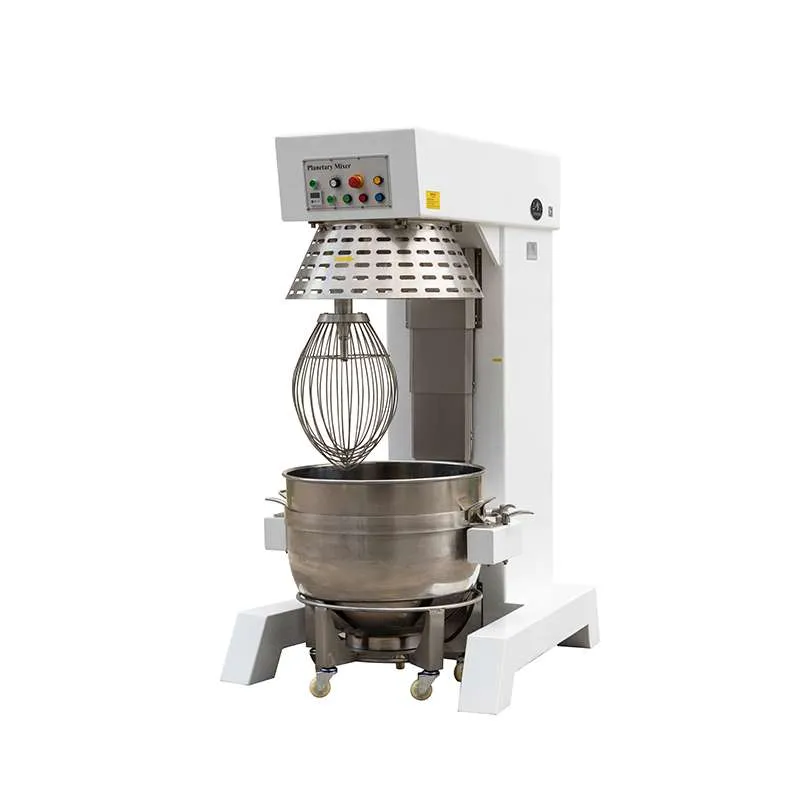
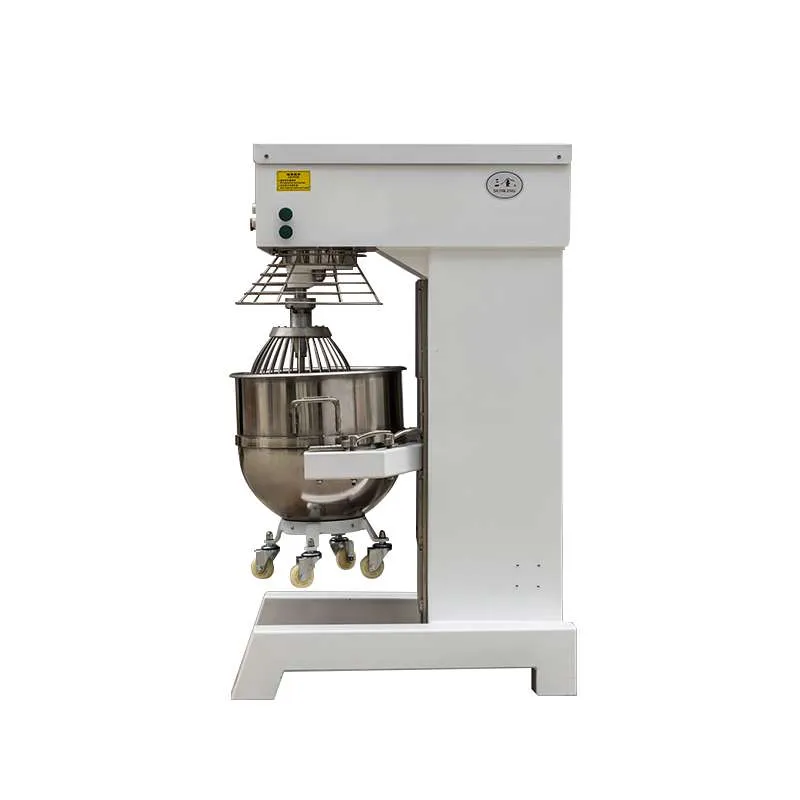
Commercial mixers like the 2024 Kitchen Mixer With One Ball Commercial Appliances Planetary Mixer must comply with all applicable directives. The SKW-40W model's 380V/1.5kW configuration specifically requires Low Voltage Directive compliance.
Technical Documentation Requirements
CE certification demands comprehensive technical files including:
- Risk assessment reports (EN ISO 12100)
- Electrical schematics and component certifications
- Noise level measurements (typically ≤70dB for commercial mixers)
- Material safety data (especially for food-contact surfaces like stainless steel drums)
For planetary mixers with 40L+ capacities, documentation must verify structural integrity under maximum load (typically 1.5x rated capacity).
Food-Grade Material Compliance
Mixer components contacting food must meet:
Imported steel wire beaters and stainless steel bowls in commercial planetary mixers require material certification showing compliance with these standards.
Certification Process for Commercial Mixers
The typical CE certification workflow involves 5 key stages:
- Gap analysis (2-4 weeks): Reviewing existing documentation against EN standards
- Technical testing (3-6 weeks): Noise, electrical safety, and material testing
- Risk assessment (1-2 weeks): Identifying and mitigating hazards per EN ISO 12100
- Technical file compilation (2 weeks): Creating the compliance documentation package
- EU Declaration of Conformity: Manufacturer's formal compliance statement
For equipment with complex electrical systems like the SKM-40W mixer (0-507 rpm variable speed), Notified Body involvement may be required for EMC testing.
Common Compliance Challenges
Manufacturers often encounter these certification hurdles:
- Insufficient documentation for imported components
- Noise levels exceeding 70dB(A) at full load
- Inadequate safety markings (CE logo minimum height: 5mm)
- Missing translations for instructions (required in all EEA languages)
Maintaining Compliance Post-Certification
CE certification requires ongoing conformity measures:
- Annual audits: Reviewing technical documentation and production controls
- Change management: Re-certifying modified designs (e.g., new motor configurations)
- Market surveillance: Monitoring for non-compliant products in EEA markets
Exporters like Zhengzhou Topleap implement ISO 9001 quality systems to streamline compliance maintenance across product lines including their commercial planetary mixers.
FAQs: CE Certification for Food Mixers
How long does CE certification typically take for commercial food mixers?
The process requires 8-14 weeks for standard planetary mixers, depending on test lab availability. Complex systems with multiple attachments may need 16+ weeks.
What's the cost range for CE certification?
Testing and documentation for a 40L commercial mixer typically costs €2,500-€5,000. Notified Body involvement adds €1,500-€3,000.
Can existing non-CE mixers be retrofitted for compliance?
Possible but often cost-prohibitive. Adding emergency stops or noise dampening to older models may exceed 60% of original equipment cost.
Conclusion: Strategic Compliance Approach
For bakery equipment manufacturers targeting European markets, CE certification isn't just regulatory compliance - it's a competitive advantage. By designing mixers like the 865×710×1530mm planetary models with certification requirements in mind from the initial stages, companies can reduce time-to-market while ensuring food safety and equipment reliability.
Technical evaluators should verify suppliers' full certification documentation, not just CE markings. Request complete technical files including test reports for electrical safety, noise emissions, and material compliance.
News List
- Spiral dough mixer capacity gaps that affect daily outputMay 09, 2026
- Is a 10kg dough spiral mixer too small for commercial use?May 09, 2026
- Mixer dough spiral issues that often lead to uneven kneadingMay 09, 2026
- What makes a planetary mixer easier to clean after wet mixes?May 09, 2026
- Why 20 liter planetary mixers are popular in test kitchensMay 09, 2026
- Spiral dough mixer energy use vs output: what really mattersMay 09, 2026
Best-Selling Products
 Industrial Commercial mixer cake Dough Mixer planetary mixer for sale
 Hot Selling SKM-60L 80L 100L Stainless Steel Planetary Mixer
 Bakery Equipment 125kg 150kg Kneader Spiral Dough Mixer
 Double Columns Lifting Machine
 7L 600W Electric Mixer Stand Mixer Bread Mixer
 Piston Pump For Planetary Mixer
 Mobile Planetary Mixer With Mobile Platform And Customizable Height
 2024 Kitchen Mixer With One Ball Commercial Appliances Planetary Mixer
Leave Us a Message
Send us a Message
A dedicated person will follow up on your needs one-on-one and provide personalized customized solutions according
to your needs.
Get In Touch
We look forward to hearing from you for in-depth communication on how to fulfill your mixing requirements.
Please give us a message