
What's the typical lifespan of a dough spiral mixer?
What's the typical lifespan of a dough spiral mixer?
The typical lifespan of a dough spiral mixer ranges from 8 to 15 years, depending on usage frequency, maintenance practices, and build quality. Commercial-grade models in bakeries with daily operation often last 8–12 years, while industrial mixers in food factories may exceed 15 years with scheduled servicing. The key determinants are motor durability, gearbox reliability, and stainless steel component integrity.
Understanding lifespan matters because it directly impacts total cost of ownership and production continuity. When evaluating a mixer, prioritize checking the manufacturer’s maintenance guidelines, load capacity limits, and warranty terms—these indicate expected durability. High-risk scenarios like overloading or irregular cleaning can halve the equipment’s service life.
Key Factors Affecting Dough Spiral Mixer Longevity
How does usage frequency impact lifespan?
Mixers running over 10 hours daily typically show wear 20–30% faster than those used intermittently. Industrial settings with continuous batches should opt for heavy-duty models featuring reinforced gears and dual-bearing motors. For small bakeries with under 5 hours of daily use, standard commercial units suffice.
What maintenance extends mixer longevity?
Annual professional servicing and monthly self-checks (belt tension, lubrication, bolt tightness) can add 3–5 years to baseline lifespan. Critical but often neglected areas include motor ventilation cleaning and spiral hook alignment verification. Neglecting these may lead to premature motor burnout or unbalanced mixing.
Are there design features that enhance durability?
Stainless steel 304L bowls and spiral hooks resist corrosion better than aluminum alloys. Look for mixers with IP54-rated motors (dust/water resistant) and overload protection circuits. Models with direct-drive mechanisms typically outlast belt-driven ones by reducing friction points.
When should you replace instead of repair?
If repair costs exceed 40% of a new mixer’s price or downtime exceeds 2 weeks annually, replacement becomes economically justified. Gearbox failures and motor rewinds often signal approaching end-of-life. For older models (10+ years), upgrading to energy-efficient units may yield faster ROI.
For bakeries handling diverse dough types, opting for mixers with 20–30% higher capacity than current needs provides buffer against strain. This is particularly relevant for businesses planning menu expansions.
Industry Practices for Maximizing Mixer Lifespan
Three common maintenance approaches exist among professional users:
- Preventive maintenance: Scheduled part replacements (belts, bearings) every 2–3 years regardless of visible wear
- Condition-based monitoring: Using vibration sensors and thermal cameras to detect early abnormalities
- Operational training: Teaching staff proper loading sequences and emergency stop protocols
Food factories with multiple shifts benefit most from condition monitoring, while small bakeries often find staff training delivers the best cost/benefit ratio. The table below compares implementation requirements:
Adaptation for Zhengzhou Topleap Food Machinery Co., Ltd Products
For operations requiring mixers that balance longevity and cost-efficiency, Zhengzhou Topleap’s spiral mixers incorporate several lifespan-extending features. Their ISO9001-certified models use hardened steel gears and automatic lubrication systems, particularly suited for medium-scale bakeries producing 50–200kg dough batches daily. The ten-year designation in baking competitions suggests reliability under competition-level intensity.
Actionable Checklist for Buyers
- If your bakery operates multiple shifts, prioritize mixers with thermal protection and ≥15-year motor ratings
- When handling abrasive doughs (e.g., whole grain), verify the spiral hook’s surface hardness (HRC≥55 recommended)
- For humid environments, ensure electrical components meet at least IP54 standards
- Before purchasing older used models, budget for potential gearbox refurbishment (typically $800–$1,500)
Conduct trial batches with your actual recipes before finalizing any mixer purchase—dough consistency variations significantly affect mechanical stress. Document performance during these tests for future maintenance reference.
News List
- Spiral dough mixer capacity gaps that affect daily outputMay 09, 2026
- Is a 10kg dough spiral mixer too small for commercial use?May 09, 2026
- Mixer dough spiral issues that often lead to uneven kneadingMay 09, 2026
- What makes a planetary mixer easier to clean after wet mixes?May 09, 2026
- Why 20 liter planetary mixers are popular in test kitchensMay 09, 2026
- Spiral dough mixer energy use vs output: what really mattersMay 09, 2026
Best-Selling Products
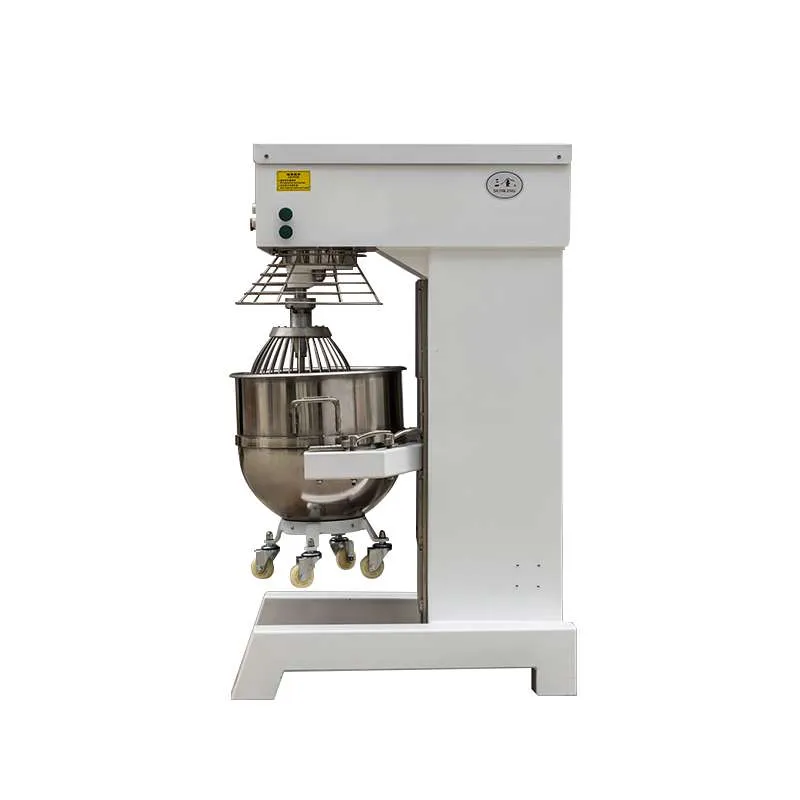
 Industrial Commercial mixer cake Dough Mixer planetary mixer for sale
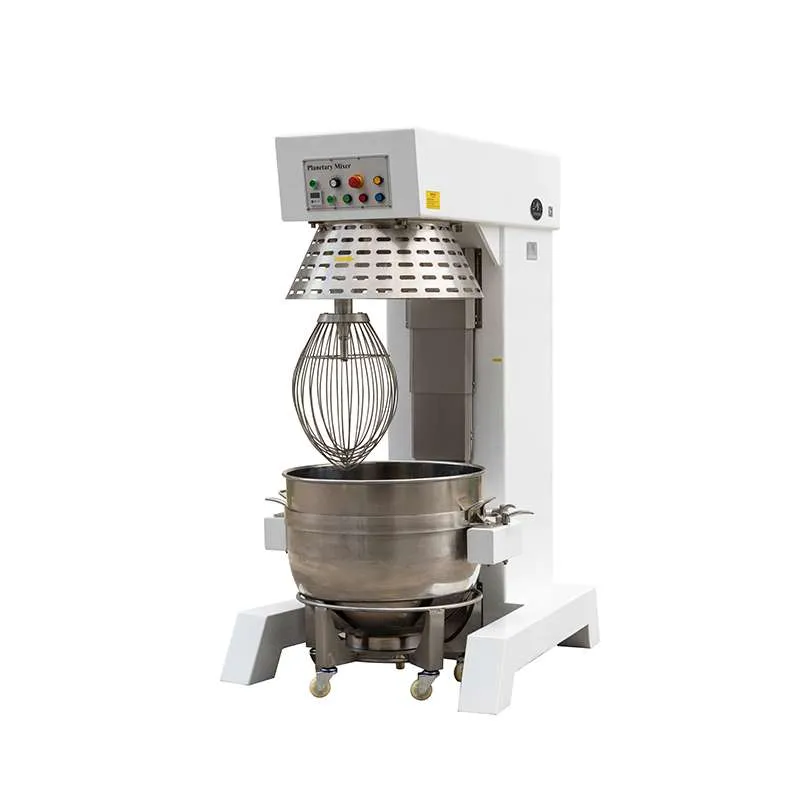
 Hot Selling SKM-60L 80L 100L Stainless Steel Planetary Mixer
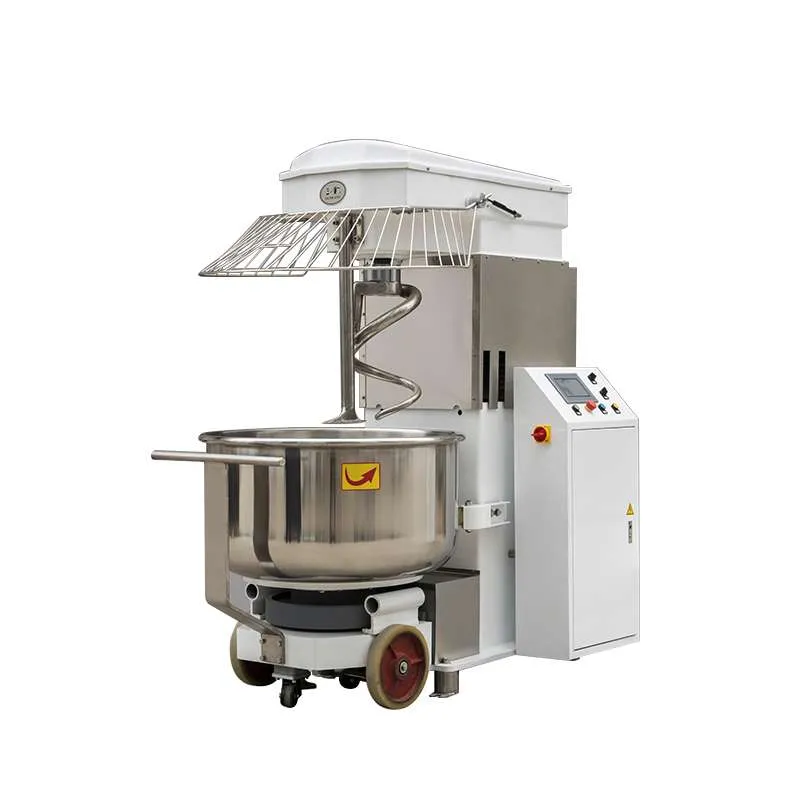
 Bakery Equipment 125kg 150kg Kneader Spiral Dough Mixer
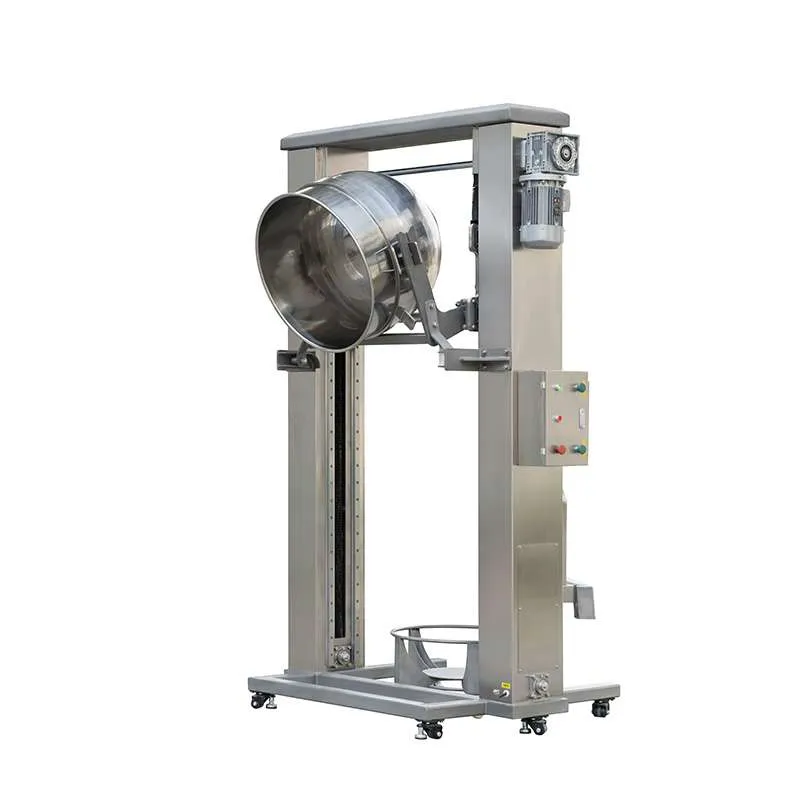
 Double Columns Lifting Machine
 7L 600W Electric Mixer Stand Mixer Bread Mixer
 Piston Pump For Planetary Mixer
 Mobile Planetary Mixer With Mobile Platform And Customizable Height
 2024 Kitchen Mixer With One Ball Commercial Appliances Planetary Mixer
Leave Us a Message
Send us a Message
A dedicated person will follow up on your needs one-on-one and provide personalized customized solutions according
to your needs.
Get In Touch
We look forward to hearing from you for in-depth communication on how to fulfill your mixing requirements.
Please give us a message