
What's the proper way to lubricate a Planetary Mixer?
What's the proper way to lubricate a Planetary Mixer?
The proper way to lubricate a planetary mixer involves using food-grade lubricants on key components like gears, bearings, and shafts at manufacturer-recommended intervals. Always clean surfaces before application and follow the equipment manual for specific lubrication points. Over-lubrication can attract contaminants while under-lubrication causes premature wear.
Regular lubrication prevents mechanical failure and maintains mixing consistency, directly impacting production efficiency. The most critical factors are choosing the right lubricant type and maintaining proper intervals - both specified in your mixer's documentation. Neglecting this routine maintenance leads to costly repairs and unplanned downtime.
What are the critical lubrication points in a planetary mixer?
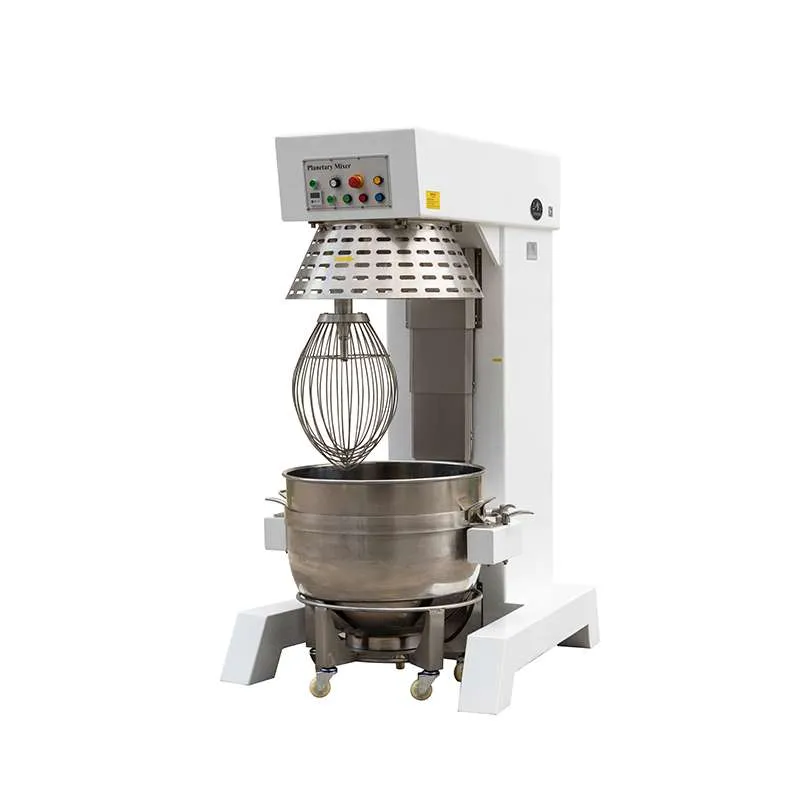
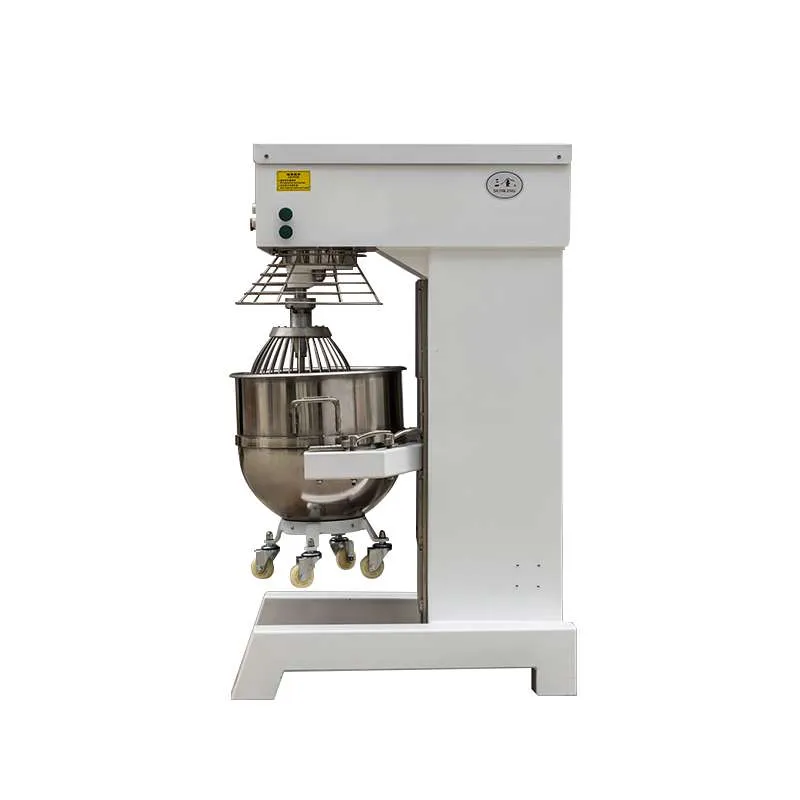
Planetary mixers require lubrication at three primary contact points: the planetary gear system, bowl lift mechanism, and motor bearings. Each has different lubrication needs based on load and rotation speed.
The planetary gear system needs the most frequent attention as it handles the mixer's torque. Bowl lift mechanisms require grease on sliding parts, while motor bearings need high-temperature resistant lubricant. Always refer to your specific model's manual as designs vary between manufacturers.
How often should you lubricate a planetary mixer?
Lubrication frequency depends on usage intensity - heavy-use commercial mixers may need monthly servicing while occasional-use models require quarterly maintenance. Always track operating hours rather than calendar time for accurate scheduling.
High-speed mixing and dough with higher hydration levels increase wear. In bakeries producing over 50 batches weekly, inspect lubrication points every two weeks. For food factories running continuous shifts, weekly checks prevent breakdowns during critical production periods.
What types of lubricants are safe for food equipment?
Only NSF H1-certified food-grade lubricants should be used in planetary mixers. These synthetic or mineral-based oils and greases are formulated to prevent contamination if incidental contact occurs with food products.
Thicker greases suit high-load gears while lighter oils work better for high-speed bearings. Never substitute industrial lubricants that could contaminate food products.
What are common lubrication mistakes to avoid?
The most frequent errors include using non-food-grade lubricants, over-lubricating components, and neglecting to clean old grease before reapplying. These practices either create contamination risks or actually accelerate wear.
Another critical mistake is lubricating electrical components or areas near seals where grease could degrade rubber. Always wipe excess lubricant to prevent dust accumulation. Mixing different lubricant types can also cause chemical reactions that reduce effectiveness.
How does proper lubrication impact mixer performance?
Correct lubrication maintains consistent mixing action, prevents speed fluctuations, and extends equipment life by 30-50%. Well-lubricated mixers operate quieter and maintain precise bowl rotation for uniform product texture.
Inadequate lubrication causes gears to wear unevenly, creating vibration that affects dough development. This leads to inconsistent batch quality and eventually requires expensive gear replacement. Proper maintenance keeps torque transmission efficient throughout the mixer's lifespan.
When should professional servicing be considered?
If you notice grinding noises, irregular speeds, or increased motor strain during routine operation, professional servicing may be needed. These symptoms often indicate advanced wear from lubrication issues that require disassembly to correct.
Annual professional maintenance is advisable for mixers in continuous operation. Technicians can inspect internal components and replace specialized lubricants in sealed bearings that regular staff shouldn't access. This preventive approach avoids catastrophic failures during production peaks.
Maintenance checklist for planetary mixer lubrication
- If operating over 20 hours weekly, inspect lubrication monthly
- If handling stiff doughs, check gear lubrication more frequently
- If noticing speed variations, service immediately
- If seals appear damaged, replace before lubricating nearby parts
- If unsure about lubricant compatibility, consult manufacturer guidelines
Record all lubrication activities in a maintenance log to establish optimal service intervals for your specific usage patterns. This data helps predict when components may need replacement before failures occur.
News List
- Spiral dough mixer capacity gaps that affect daily outputMay 09, 2026
- Is a 10kg dough spiral mixer too small for commercial use?May 09, 2026
- Mixer dough spiral issues that often lead to uneven kneadingMay 09, 2026
- What makes a planetary mixer easier to clean after wet mixes?May 09, 2026
- Why 20 liter planetary mixers are popular in test kitchensMay 09, 2026
- Spiral dough mixer energy use vs output: what really mattersMay 09, 2026
Best-Selling Products
 Industrial Commercial mixer cake Dough Mixer planetary mixer for sale
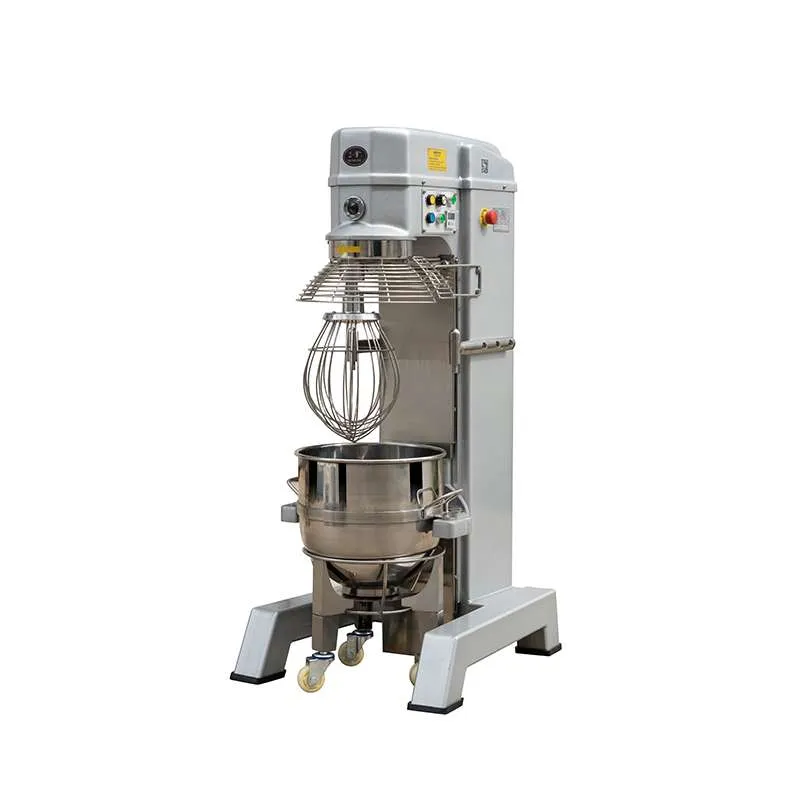
 Hot Selling SKM-60L 80L 100L Stainless Steel Planetary Mixer
 Bakery Equipment 125kg 150kg Kneader Spiral Dough Mixer
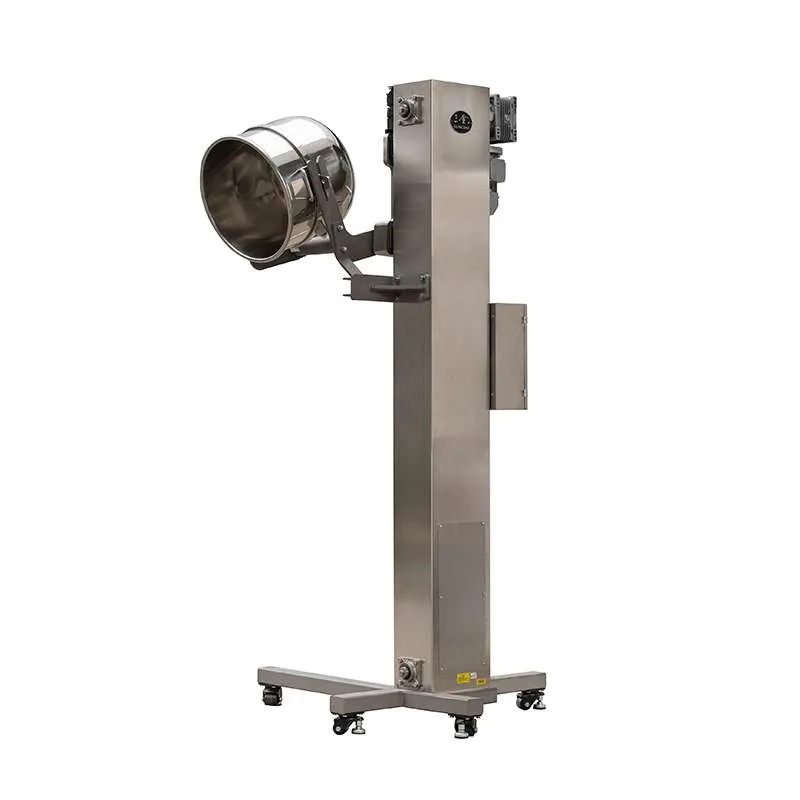
 Double Columns Lifting Machine
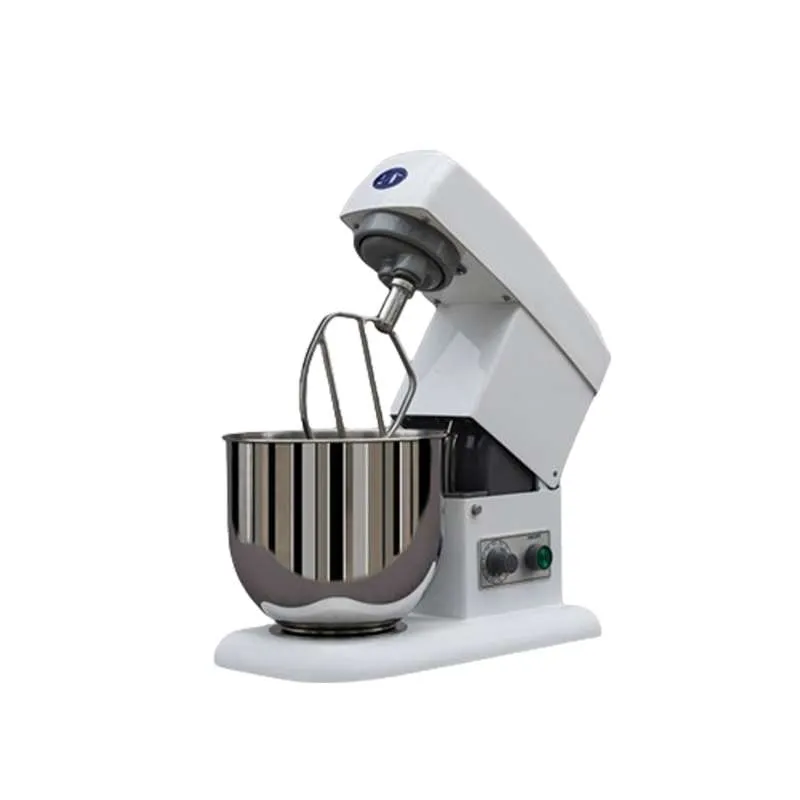
 7L 600W Electric Mixer Stand Mixer Bread Mixer
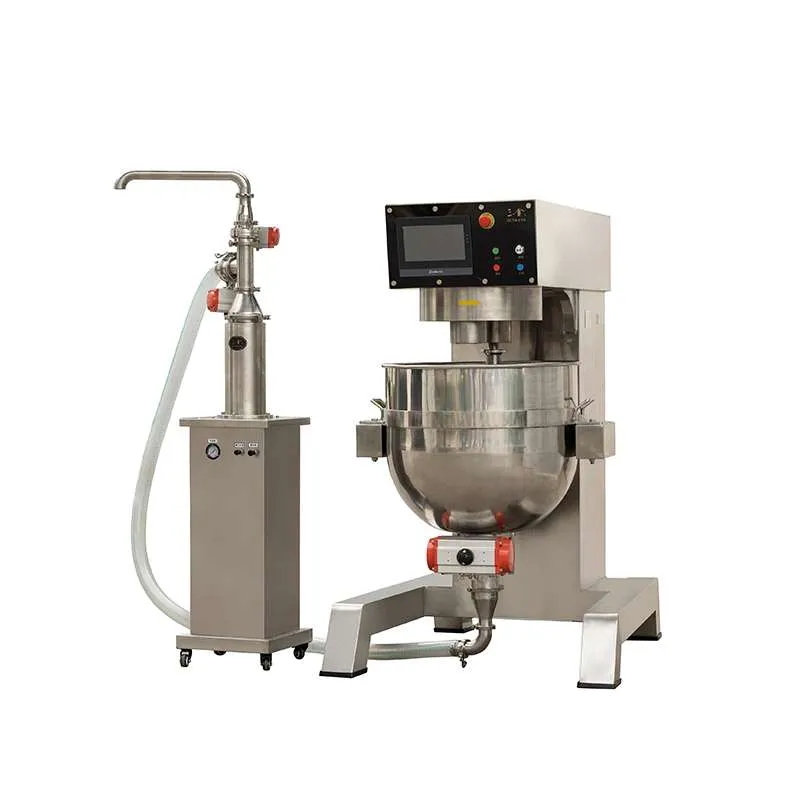
 Piston Pump For Planetary Mixer
 Mobile Planetary Mixer With Mobile Platform And Customizable Height
 2024 Kitchen Mixer With One Ball Commercial Appliances Planetary Mixer
Leave Us a Message
Send us a Message
A dedicated person will follow up on your needs one-on-one and provide personalized customized solutions according
to your needs.
Get In Touch
We look forward to hearing from you for in-depth communication on how to fulfill your mixing requirements.
Please give us a message