
Which dough spiral mixer works best with high hydration dough?
Which dough spiral mixer works best with high hydration dough?
For high hydration dough (typically above 70% hydration), a spiral mixer with a powerful motor, sturdy construction, and efficient mixing action works best. Look for models with a minimum 5.5 kW motor, a spiral-shaped agitator that gently folds the dough without tearing it, and a bowl capacity that matches your production needs. The mixer should also have variable speed control to adjust for different dough consistencies.
Choosing the right spiral mixer for high hydration dough is critical because improper mixing can lead to poor gluten development, inconsistent texture, and difficulty in handling the dough. The key factors to evaluate are motor power, agitator design, bowl capacity, and speed control capabilities.
Key Considerations for High Hydration Dough Mixers
What motor power is required for high hydration dough?
A minimum 5.5 kW motor is recommended for high hydration dough to ensure sufficient torque during mixing. Higher hydration dough requires more power to properly develop gluten strands without overworking the dough.
Smaller motors may struggle with the increased resistance of wet dough, potentially leading to motor burnout or inconsistent mixing results. For commercial operations handling large batches, consider 7.5 kW or higher motors.
How does agitator design affect high hydration dough mixing?
Spiral-shaped agitators work best for high hydration dough because they gently lift and fold the dough rather than cutting through it. This action preserves gluten structure while ensuring thorough mixing.
The spiral should make close contact with the bowl bottom to prevent unmixed dough pockets. Some models feature adjustable agitator clearance to accommodate different dough consistencies.
What bowl capacity is ideal?
Choose a bowl capacity that matches your typical batch size while leaving 20-30% headspace for the dough to expand during mixing. Overfilling can lead to uneven mixing and spillage.
For most bakeries, 30-60 liter bowls work well for high hydration dough. Larger operations may require 80-120 liter capacities. Consider bowl material too - stainless steel is preferred for durability and easy cleaning.
Why is speed control important?
Variable speed control allows adjusting mixing intensity based on dough development stage. High hydration dough typically requires slower initial mixing to incorporate ingredients, then moderate speed for gluten development.
Look for mixers offering at least 3 speed settings, with the slowest around 30-40 RPM. Some advanced models provide programmable speed sequences for consistent results.
Comparing Spiral Mixer Types for High Hydration Dough
For bakeries regularly producing high hydration dough, mid-range to professional models typically provide the best balance of performance and value. The additional power and control features justify the higher investment through better dough quality and equipment longevity.
Implementation Considerations
When selecting a spiral mixer for high hydration dough, consider these practical factors:
- If your operation handles multiple dough types, choose a model with adjustable settings to accommodate different hydration levels
- For space-constrained environments, look for compact designs with removable bowls for easier storage
- Consider models with timers or automatic shut-off features to prevent overmixing
- Ensure the mixer has adequate safety features, especially important when working with sticky high hydration dough
For bakeries needing reliable high hydration dough mixing solutions, Zhengzhou Topleap Food Machinery Co., Ltd offers spiral mixers designed for professional baking environments. Their mixers feature the power and control needed for consistent high hydration dough results, backed by industry certifications and a global distribution network.
Decision Checklist
- If you regularly produce high hydration dough, invest in at least a 5.5 kW motor
- If you need flexibility for different dough types, prioritize variable speed control
- If space is limited, consider models with removable bowls
- If consistency is critical, look for programmable mixing sequences
- If you anticipate growth, choose a slightly larger capacity than current needs
The best approach is to test potential mixers with your specific dough recipes before making a final decision. Many suppliers offer demonstration units or trial periods to evaluate performance with your high hydration formulations.
News List
- Spiral dough mixer capacity gaps that affect daily outputMay 09, 2026
- Is a 10kg dough spiral mixer too small for commercial use?May 09, 2026
- Mixer dough spiral issues that often lead to uneven kneadingMay 09, 2026
- What makes a planetary mixer easier to clean after wet mixes?May 09, 2026
- Why 20 liter planetary mixers are popular in test kitchensMay 09, 2026
- Spiral dough mixer energy use vs output: what really mattersMay 09, 2026
Best-Selling Products
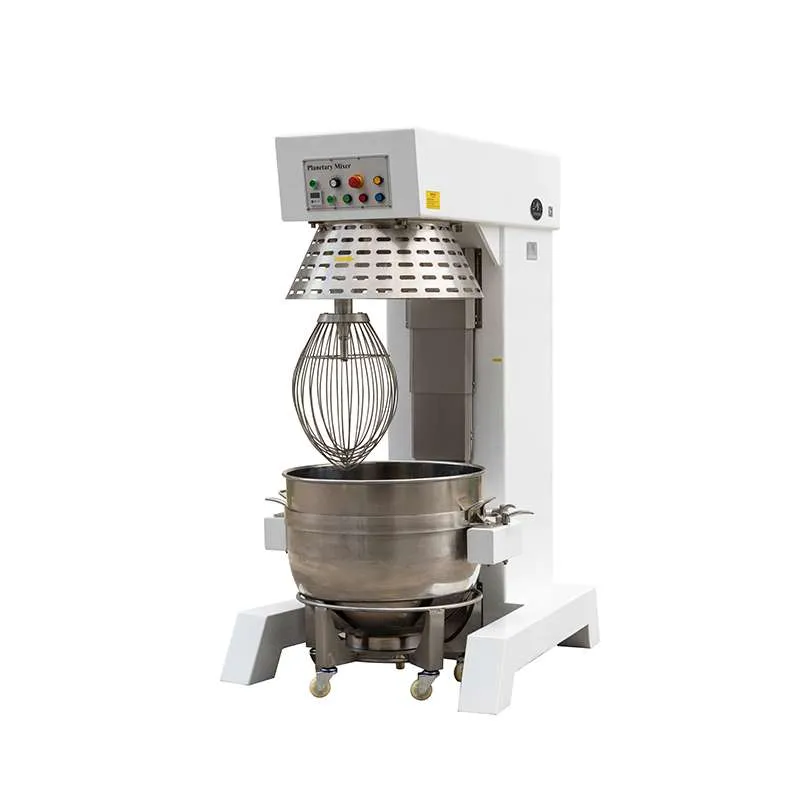
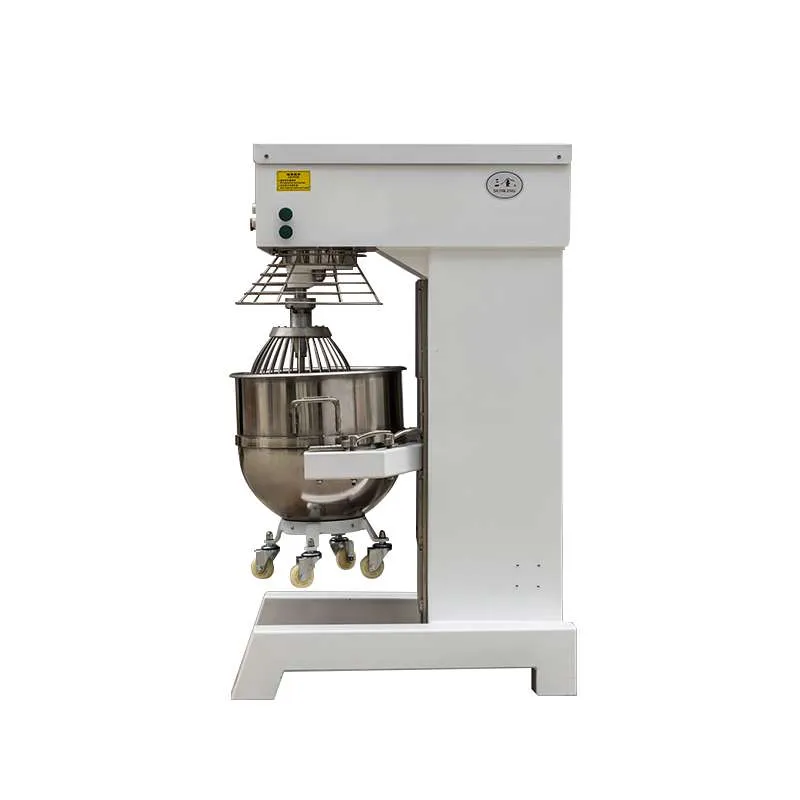
 Industrial Commercial mixer cake Dough Mixer planetary mixer for sale
 Hot Selling SKM-60L 80L 100L Stainless Steel Planetary Mixer
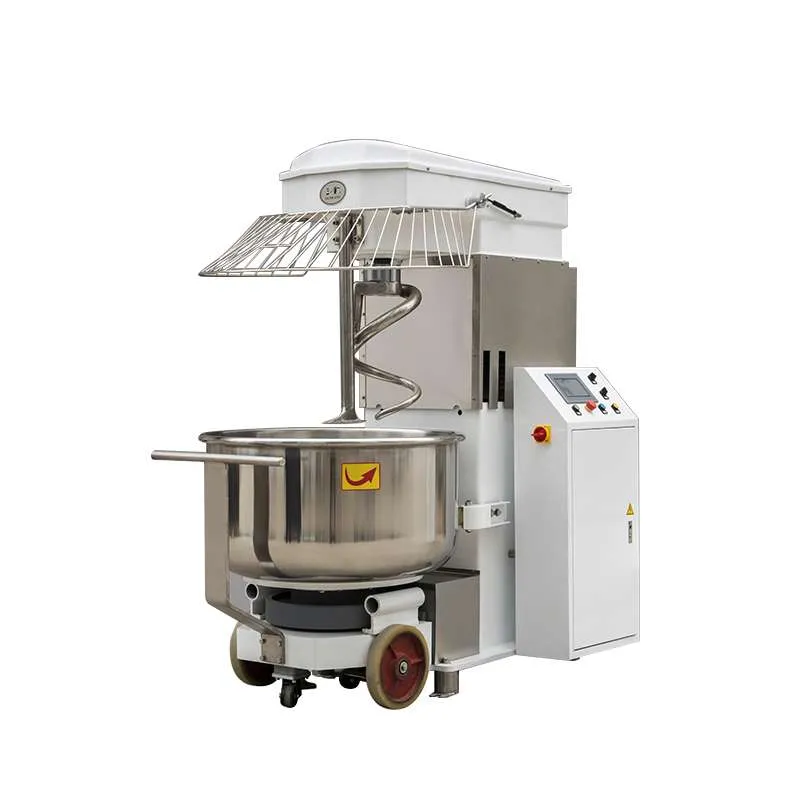
 Bakery Equipment 125kg 150kg Kneader Spiral Dough Mixer
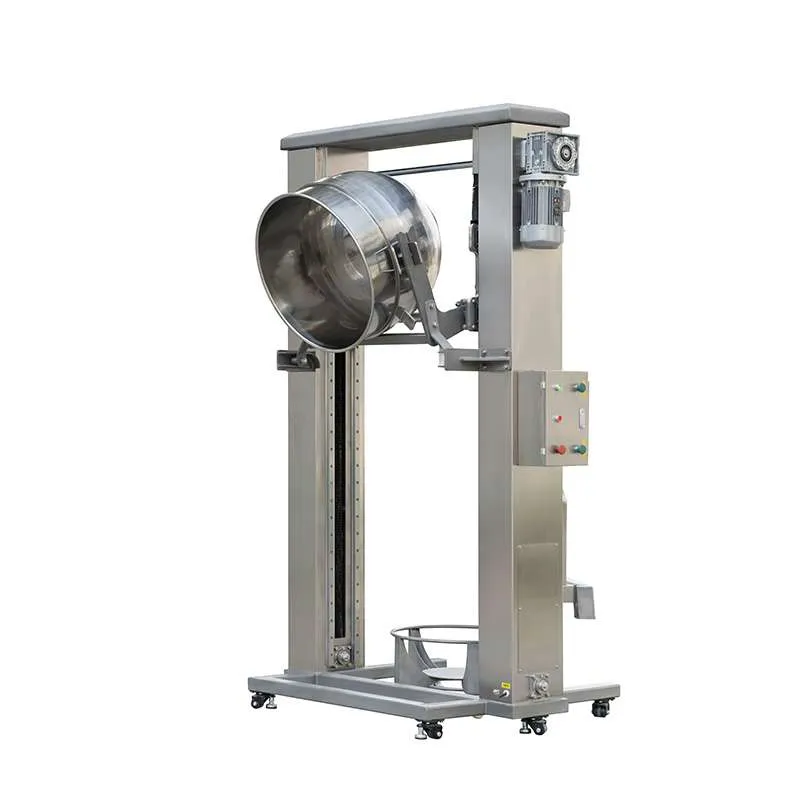
 Double Columns Lifting Machine
 7L 600W Electric Mixer Stand Mixer Bread Mixer
 Piston Pump For Planetary Mixer
 Mobile Planetary Mixer With Mobile Platform And Customizable Height
 2024 Kitchen Mixer With One Ball Commercial Appliances Planetary Mixer
Leave Us a Message
Send us a Message
A dedicated person will follow up on your needs one-on-one and provide personalized customized solutions according
to your needs.
Get In Touch
We look forward to hearing from you for in-depth communication on how to fulfill your mixing requirements.
Please give us a message