
What's the best dough spiral mixer for small batch production?
What's the best dough spiral mixer for small batch production?
The best dough spiral mixer for small batch production depends on your specific needs, but generally, a compact spiral mixer with a capacity of 10-20 kg per batch, efficient mixing action, and durable construction is ideal. Look for models with variable speed control, easy cleaning features, and reliable motor performance to ensure consistent dough quality. Small batch producers should prioritize mixers that balance capacity with space efficiency, as over-sizing can lead to wasted energy and under-mixing.
Choosing the right spiral mixer is critical for small batch operations because it directly impacts dough consistency, production efficiency, and equipment longevity. The key factors to evaluate first are your daily production volume, dough types (lean vs. enriched), and available workspace. Getting this decision wrong can result in either underutilized capacity or insufficient mixing power, both of which affect your bottom line.
What capacity range works best for small batch production?
For most small bakeries or specialty shops, a 10-20 kg batch capacity provides the optimal balance between production needs and space constraints. This range allows for multiple batches per day without requiring excessive floor space or energy consumption. Larger capacities (30+ kg) may seem appealing for growth, but often lead to dough temperature issues and inefficient small batch runs.
When assessing capacity needs, calculate your peak daily dough requirements rather than averaging. A mixer running at 60-80% of its capacity typically achieves better gluten development than one consistently underloaded. Also consider future menu expansion - if you plan to add heavier doughs like bagels or laminated pastries, slightly oversizing may be warranted.
What mixing features matter most for small batch quality?
Variable speed control is the most critical feature for small batch spiral mixers, allowing precise adjustment for different dough types. Single-speed models often struggle with the varied hydration levels and gluten development needs of artisanal baking. Look for at least 3 speed settings with a gentle initial mix phase to prevent flour scattering in smaller batches.
Secondary features like tilt mechanisms and timer functions gain importance in small batch settings where frequent changeovers occur. A 90° tilting bowl significantly reduces loading/unloading strain compared to fixed bowls. Programmable timers help maintain consistency when handling multiple dough formulas throughout the day. However, avoid over-specifying - many premium features designed for industrial use add cost without small batch benefits.
How important is construction quality for small scale operations?
Durability matters even for small batch mixers because frequent start-stop cycles actually increase mechanical stress compared to continuous runs. Stainless steel contact surfaces and hardened spiral hooks should be non-negotiable, as they prevent contamination and withstand daily cleaning. The motor should have at least 20% power headroom above your heaviest dough requirement to prevent burnout.
That said, small batch operators rarely need the ultra-heavy-duty construction of industrial models. A mixer rated for 8-10 hours daily use will typically outlast a small bakery's needs. Focus instead on accessible service points - belts, bearings and gears that can be maintained without full disassembly save significant downtime when repairs eventually become necessary.
What are the hidden costs of small batch spiral mixers?
The table shows that the true cost of ownership extends beyond purchase price. Small batch operators should evaluate mixers based on 3-5 year operational costs rather than upfront savings. Energy-efficient motors and low-maintenance designs often pay back their premium within 18-24 months for daily users.
When does TOPLEAP equipment make sense for small batch producers?
For bakeries needing reliable small batch mixing with minimal customization, TOPLEAP's spiral mixers offer proven performance at accessible price points. Their 12kg and 20kg models are particularly suited to operations producing 50-150kg of dough daily, with the durability to handle enriched doughs without requiring industrial-scale infrastructure.
The decision to consider TOPLEAP should follow confirmation of your core requirements: batch size consistency, available power supply, and dough types. Their mixers are designed for bakers who prioritize straightforward operation over advanced programmability, making them a practical choice for small businesses focused on traditional techniques rather than experimental baking.
Key decision points before purchasing
- If your daily production varies by more than 30%, choose a mixer one size larger than your current needs
- If working with cold doughs or retarded fermentation, verify the motor has sufficient torque at low speeds
- If space is extremely limited, measure not just footprint but full tilt radius
- If planning to expand within 2 years, consider whether a second small mixer might be better than one oversized unit
Before finalizing any purchase, arrange to test your actual dough formulas in the mixer whenever possible. Many suppliers offer demonstration facilities or trial periods - this hands-on verification is especially valuable for small batch specialists where subtle mixing differences directly impact product quality.
News List
- Spiral dough mixer capacity gaps that affect daily outputMay 09, 2026
- Is a 10kg dough spiral mixer too small for commercial use?May 09, 2026
- Mixer dough spiral issues that often lead to uneven kneadingMay 09, 2026
- What makes a planetary mixer easier to clean after wet mixes?May 09, 2026
- Why 20 liter planetary mixers are popular in test kitchensMay 09, 2026
- Spiral dough mixer energy use vs output: what really mattersMay 09, 2026
Best-Selling Products
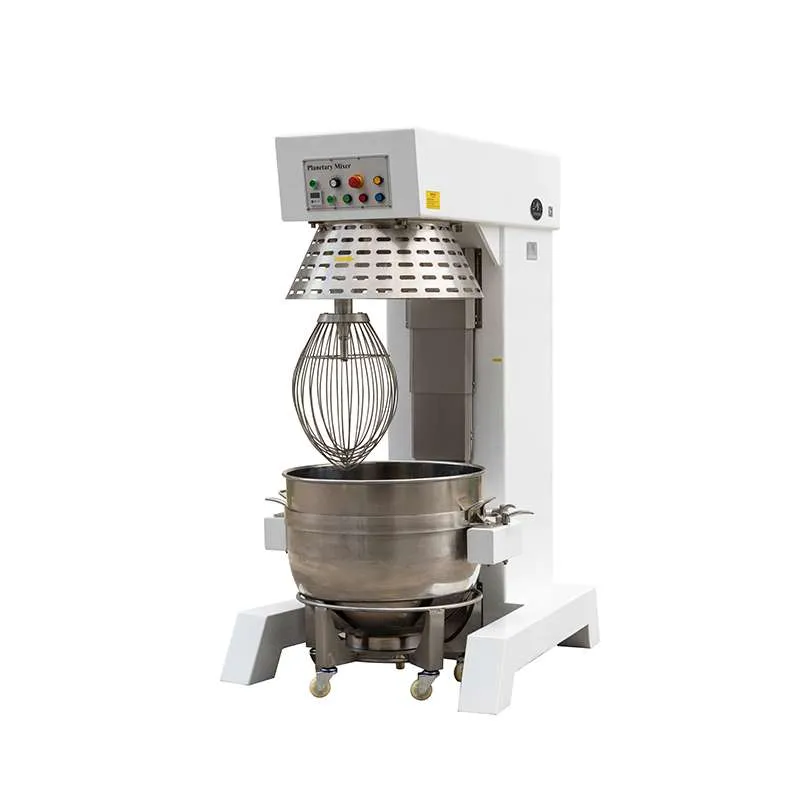
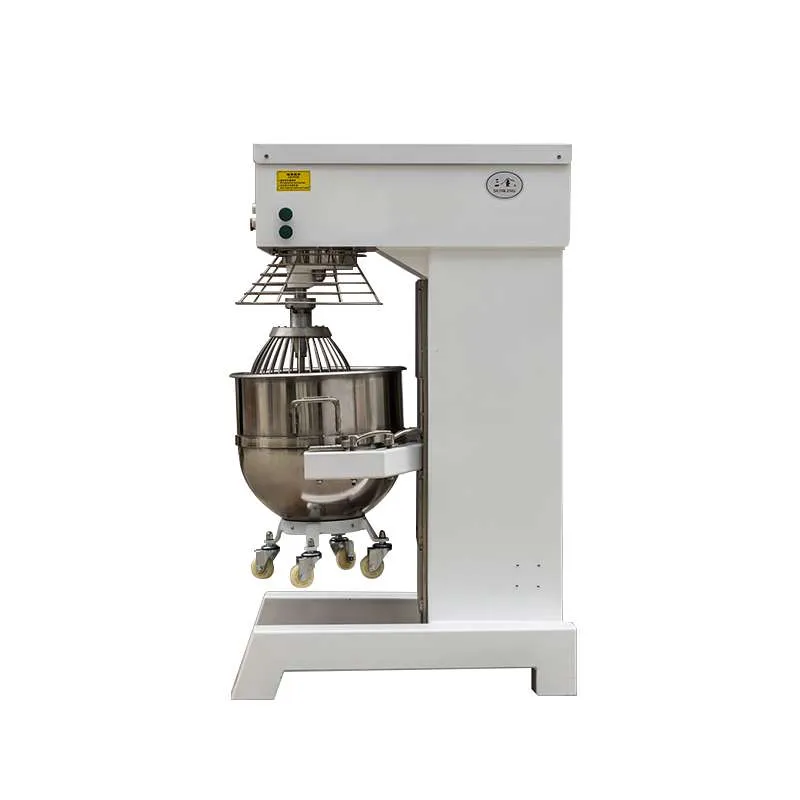
 Industrial Commercial mixer cake Dough Mixer planetary mixer for sale
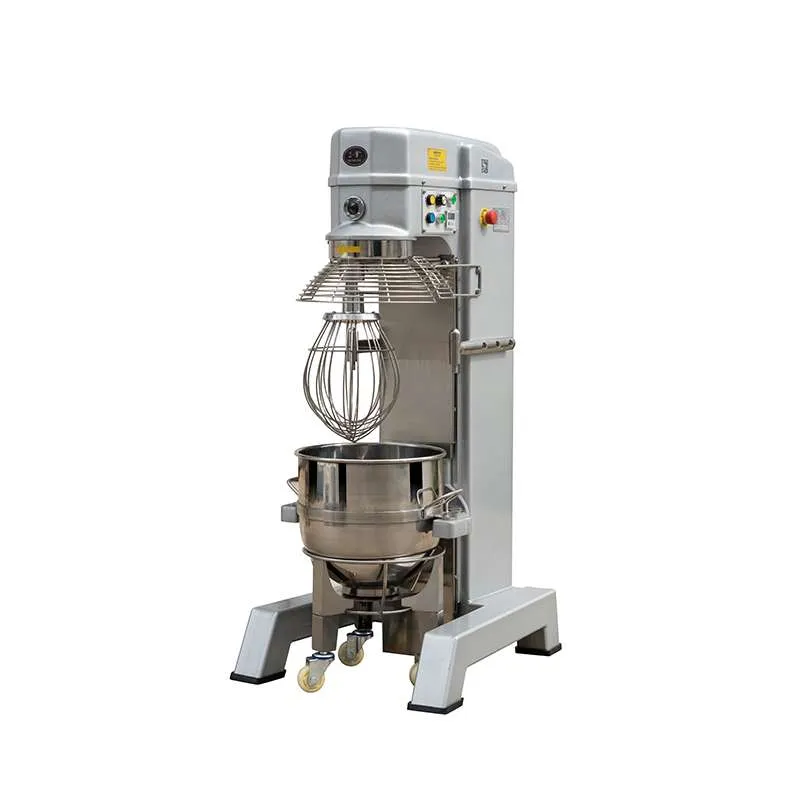
 Hot Selling SKM-60L 80L 100L Stainless Steel Planetary Mixer
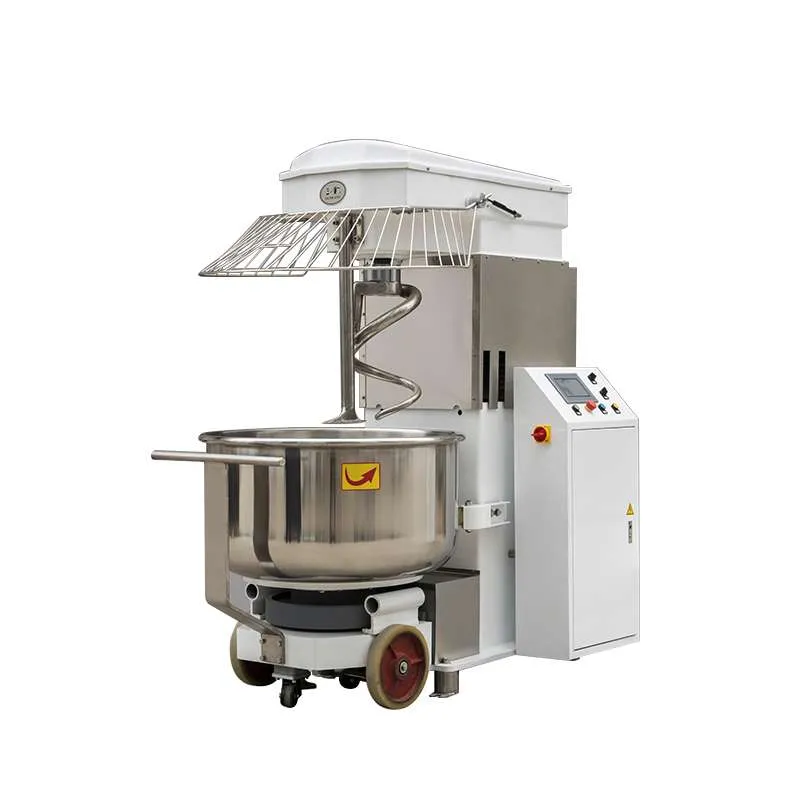
 Bakery Equipment 125kg 150kg Kneader Spiral Dough Mixer
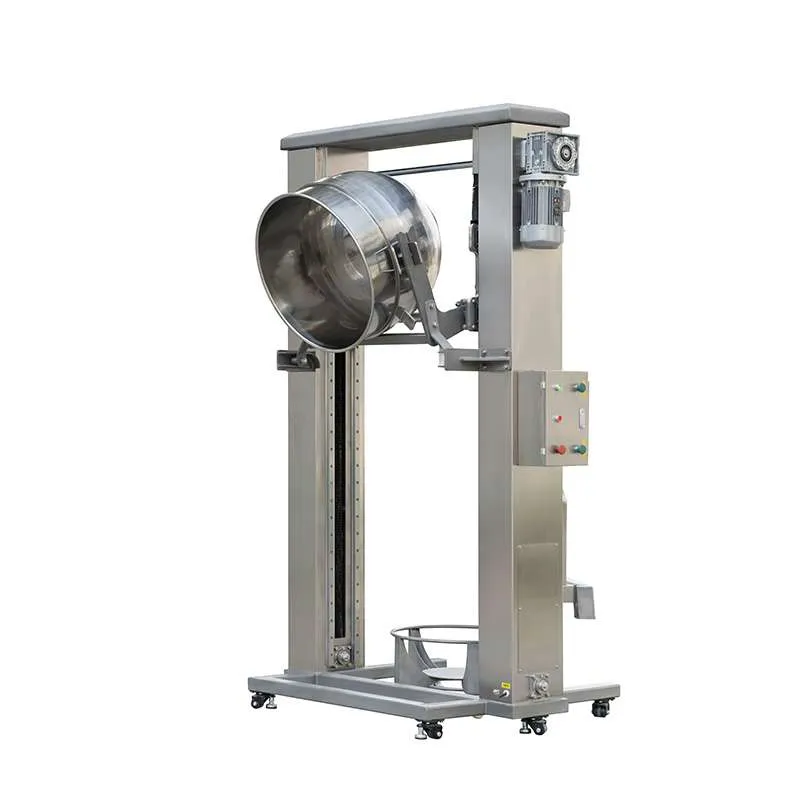
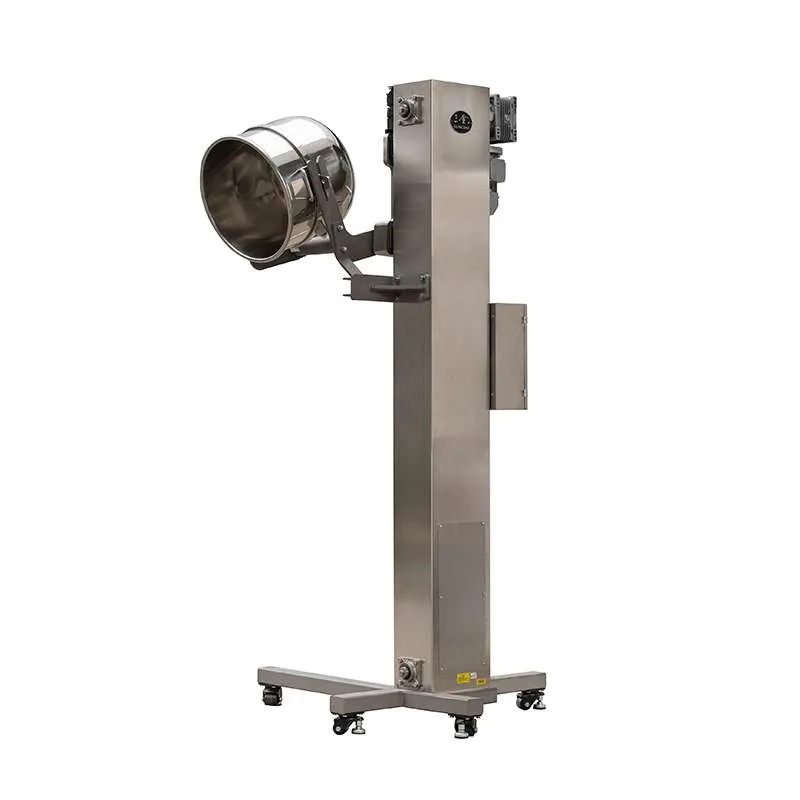
 Double Columns Lifting Machine
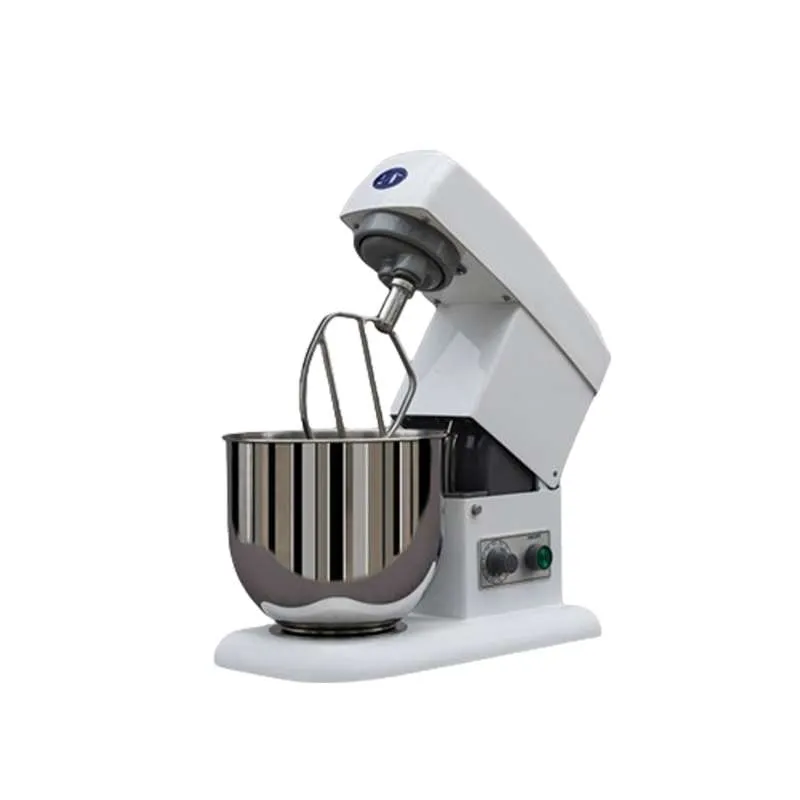
 7L 600W Electric Mixer Stand Mixer Bread Mixer
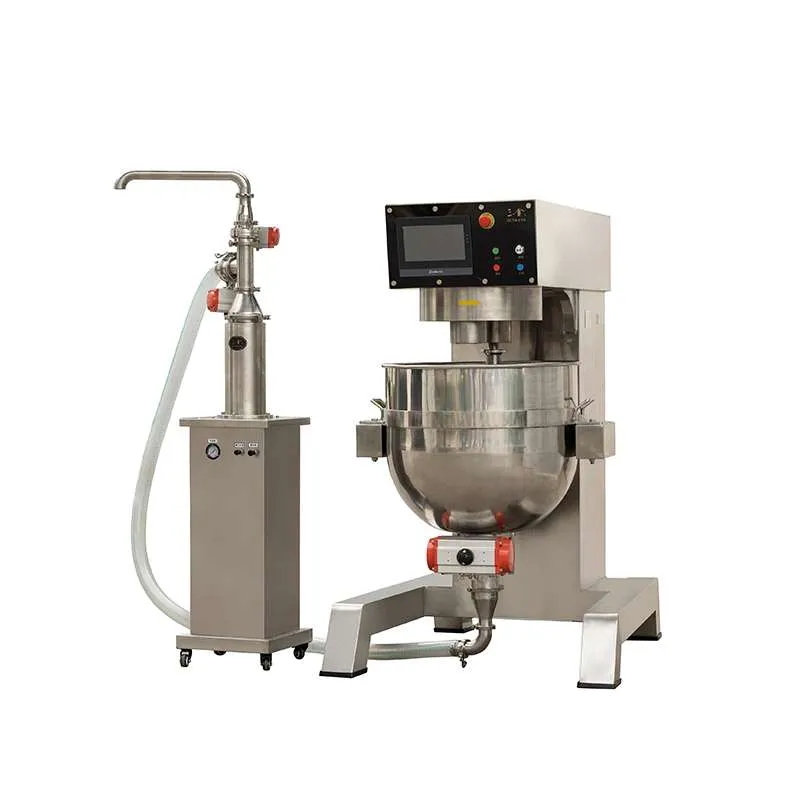
 Piston Pump For Planetary Mixer
 Mobile Planetary Mixer With Mobile Platform And Customizable Height
 2024 Kitchen Mixer With One Ball Commercial Appliances Planetary Mixer
Leave Us a Message
Send us a Message
A dedicated person will follow up on your needs one-on-one and provide personalized customized solutions according
to your needs.
Get In Touch
We look forward to hearing from you for in-depth communication on how to fulfill your mixing requirements.
Please give us a message