
Stand Mixer Deep Dive: Definitions, Functions, and Industrial Standards Explained
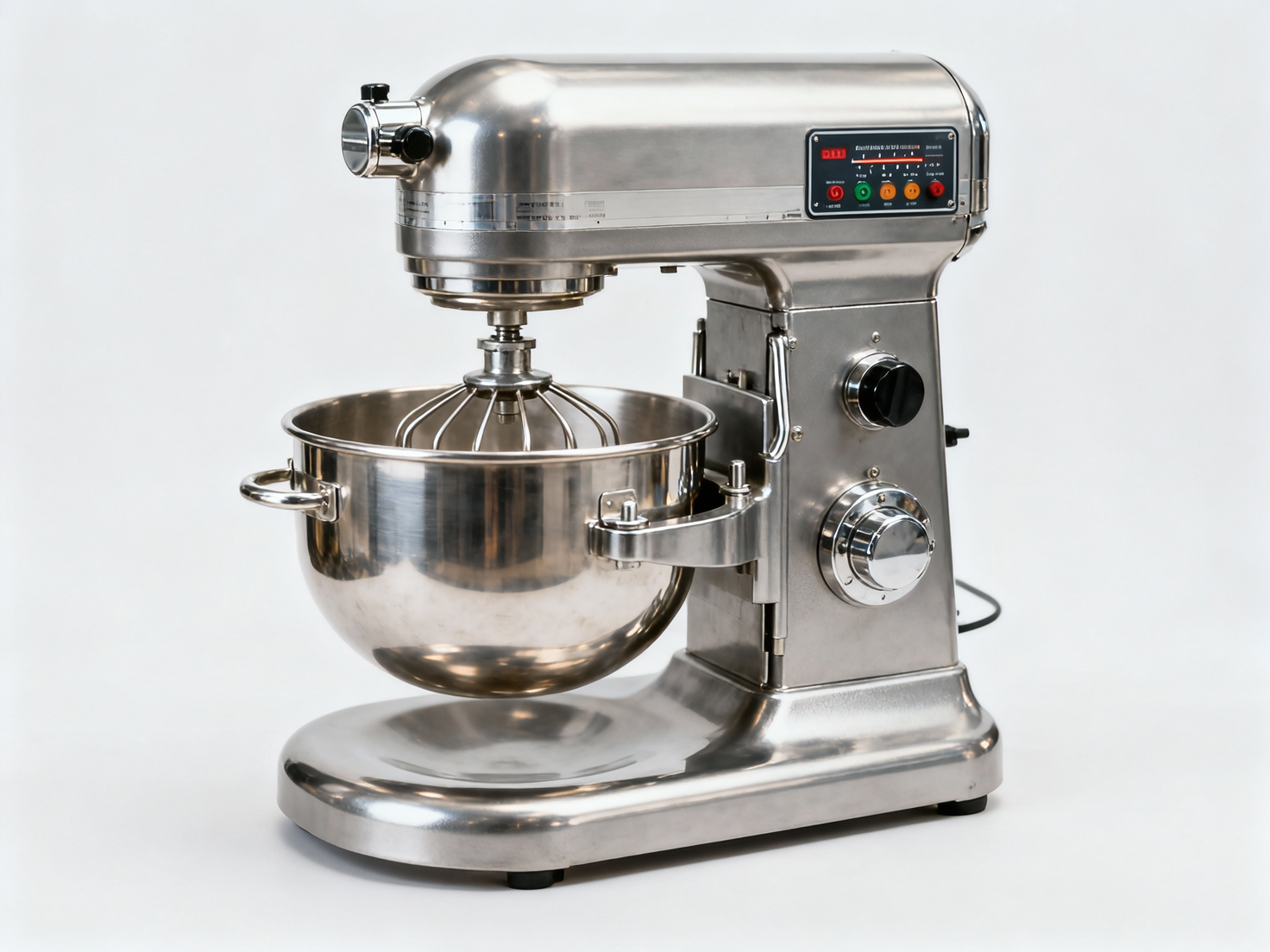
Definition And Core Functions Of The Stand Mixer
A stand mixer is a stationary, motor-driven food mixing appliance designed to automate repetitive culinary tasks such as mixing, beating, whisking, and kneading. Operating on electric power, it consists of a mixing bowl fixed on a base and interchangeable agitators powered by a planetary or spiral motion mechanism. These tools replicate artisan mixing precision while ensuring consistency and time efficiency for professional kitchens and food factories.
Industrial stand mixers follow rigorous mechanical and electrical design principles to support continuous operation. The mixer’s motor torque, gear transmission stability, and material endurance define its operational efficiency. In commercial bakery applications, their design minimizes vibration, maintains temperature stability, and enhances dough development quality to meet large-scale production standards.
Essential features such as variable speed control, stainless-steel bowls, overload protection, and easy-maintenance structures make modern stand mixers indispensable. Manufactured according to general CE and ISO food equipment standards, they ensure hygienic operation and long service life under high-frequency usage.
Technical Principles And Mechanical Structure
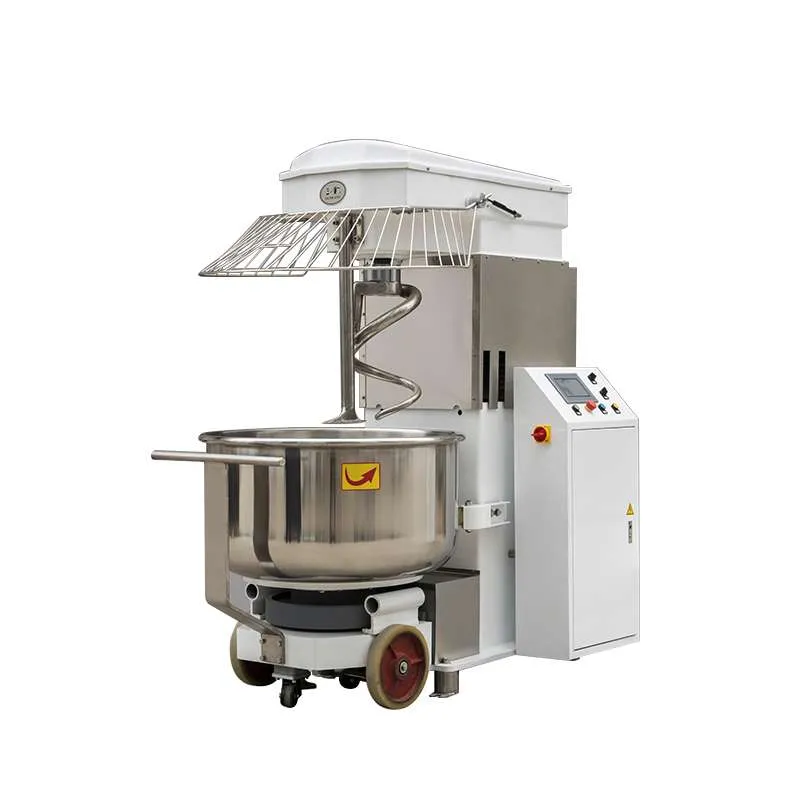
The technical essence of a stand mixer lies in its planetary or spiral mixing dynamics. The planetary mixer rotates the whisk or beater simultaneously on its own axis and around the bowl, ensuring uniform ingredient distribution. In contrast, the spiral mixer is preferred for dough-intensive processes, rotating a spiral hook and the bowl in opposite directions for optimal gluten formation.
Each stand mixer integrates calibrated motor power, gearbox ratio, and control electronics to maintain consistent torque output. Advanced models from Topleap utilize precise speed regulators and reinforced gear systems to reduce wear, improve energy efficiency, and extend maintenance intervals.
Materials selection is critical: food-grade stainless steel, durable polymer housings, and sealed electrical components resist corrosion and contamination, achieving longer service life and easy sanitation compliance in industrial bakeries and catering facilities.
Main Classifications And Market Segmentation
Stand mixers are generally classified into planetary mixers, spiral mixers, and multifunctional mixers, each engineered for distinct applications. Planetary stand mixers are ideal for versatile bakery operations—mixing cream, batter, or meringue. Spiral models target heavy dough processing in bread and pizza production. Multifunctional mixers combine both planetary and spiral benefits, offering adaptability for food factories with diverse production portfolios.
From a market segmentation perspective, light-duty mixers serve small bakeries, while industrial-grade mixers cater to continuous food production lines. Topleap’s "SUNKING" series exemplifies category integration, balancing performance with energy-saving mechanics, suitable for both startups and large manufacturing plants.
Capacity, motor wattage, and control interfaces define the segmentation benchmarks in industrial purchasing, typically ranging from 5L countertop units to 200L floor-standing industrial systems.
Selection Criteria And Industrial Standards
Selecting an appropriate stand mixer involves analyzing production requirements, batch frequency, ingredient type, and compliance standards. Buyers should evaluate motor efficiency, gear reliability, and structural stability to ensure alignment with CE or equivalent safety certifications for export-oriented equipment.
Topleap emphasizes total cost-effectiveness and long-term reliability. Each stand mixer undergoes mechanical durability tests and energy load evaluations before market release. Its quality control system monitors performance consistency, ensuring machines meet international industrial norms for continuous operation and sanitation.
Noise level, service accessibility, and spare-part standardization also form vital evaluation areas, directly affecting TCO (Total Cost of Ownership). Integration of modular controllers and user-friendly maintenance features enhances operational continuity in professional environments.
Application Scenarios And Global Case Studies
Stand mixers play a crucial role across professional kitchens, pastry workshops, and food-processing factories. For dough kneading, cream whipping, and ingredient emulsification, they deliver uniform texture and minimize manual labor intensity. Topleap’s success stories span from domestic bakeries to international bakery chains in Europe, the United States, and Southeast Asia, reflecting its product adaptability under diverse food cultures and production standards.
In one highlighted example, Topleap mixers deployed in Southeast Asian industrial bakeries improved operational throughput by over 20% through efficient dough hydration and reduced maintenance downtime. These outcomes underscore the synergy of robust design and technological precision behind Topleap’s equipment portfolio.
With export partners in Russia, Australia, and Egypt, Topleap’s stand mixers comply with various regional safety and hygiene regulations, representing a globally trusted asset for professional food manufacturers.
Manufacturing Process And Quality Control
Precision manufacturing defines the performance of each Topleap stand mixer. The production journey involves CNC machining, internal gear testing, and dynamic balance calibration for every moving component. Assembling processes occur under clean factory conditions, ensuring all food contact surfaces meet international hygiene standards.
Advanced inspection lines verify torque performance and electrical safety prior to shipment. Each unit is subjected to load simulation to replicate operational cycles equivalent to extended industrial usage. This rigorous validation ensures Topleap machinery maintains stability and energy optimization over years of high-volume operation.
Post-sale service frameworks include technical guidance, spare-parts availability, and online monitoring, reducing maintenance uncertainty and downtime—a key determinant in maximizing industrial productivity.
Cost Of Ownership And Investment Value
The total cost of owning a stand mixer extends beyond the initial purchase price. Core cost drivers include component longevity, energy consumption, maintenance frequency, and spare-part sourcing. Industrial users often measure ROI by output consistency, product quality, and downtime reduction metrics.
Topleap’s mixers are engineered to deliver high durability-to-cost ratios. Through optimized motor systems and standardized parts, they minimize future expenditure on repairs or replacements. This approach not only lowers TCO but also accelerates the return on investment for bakery operators and food manufacturers.
When evaluating procurement, decision-makers are advised to consider warranty coverage, technical support, and compliance certification—all areas where Topleap’s established international service network provides tangible business continuity advantages.
Future Trends And Industry Outlook
The stand mixer market is evolving along digitalization and sustainability lines. Smart sensors, variable frequency drives, and energy-efficient motors are being incorporated into next-generation designs. The growing demand for hygienic automation in food manufacturing accelerates adoption of stainless steel modular structures and easy-to-clean assembly systems.
According to global trends, the integration of IoT for production monitoring and predictive maintenance will become standard features in industrial stand mixers by 2026. These improvements ensure better traceability and reduced waste across the supply chain.
For Topleap, continuous innovation and adherence to international quality systems secure its expanding influence in the global bakery machinery arena. Its vision of combining efficiency, precision, and sustainability aligns perfectly with the future trajectory of stand mixer technology and industrial food production standards.
 2026 Trends in Planetary Stand Food Mixer TechnologyDiscover 2026 trends in planetary stand food mixer technology, featuring CE-certified stainless steel food grade mixers with smart automation and precision control. Ideal for bakeries seeking efficient, hygienic, and high-performance equipment.
 CE Certificate Food Mixers: What You Need to Know for ComplianceLearn about CE certification requirements for food mixers including planetary stand mixers, stainless steel drum mixers & powder blending machines. Ensure compliance with EU safety standards for bakery equipment exports.
 Comparing Planetary Stand Food Mixers: Key Differences to ConsiderCompare planetary stand food mixers for bakeries: key differences in mixer food powder machines, stainless steel food grade drum mixers & CE certified models. Learn about motor power, RPM ranges & operational flexibility for optimal performance.
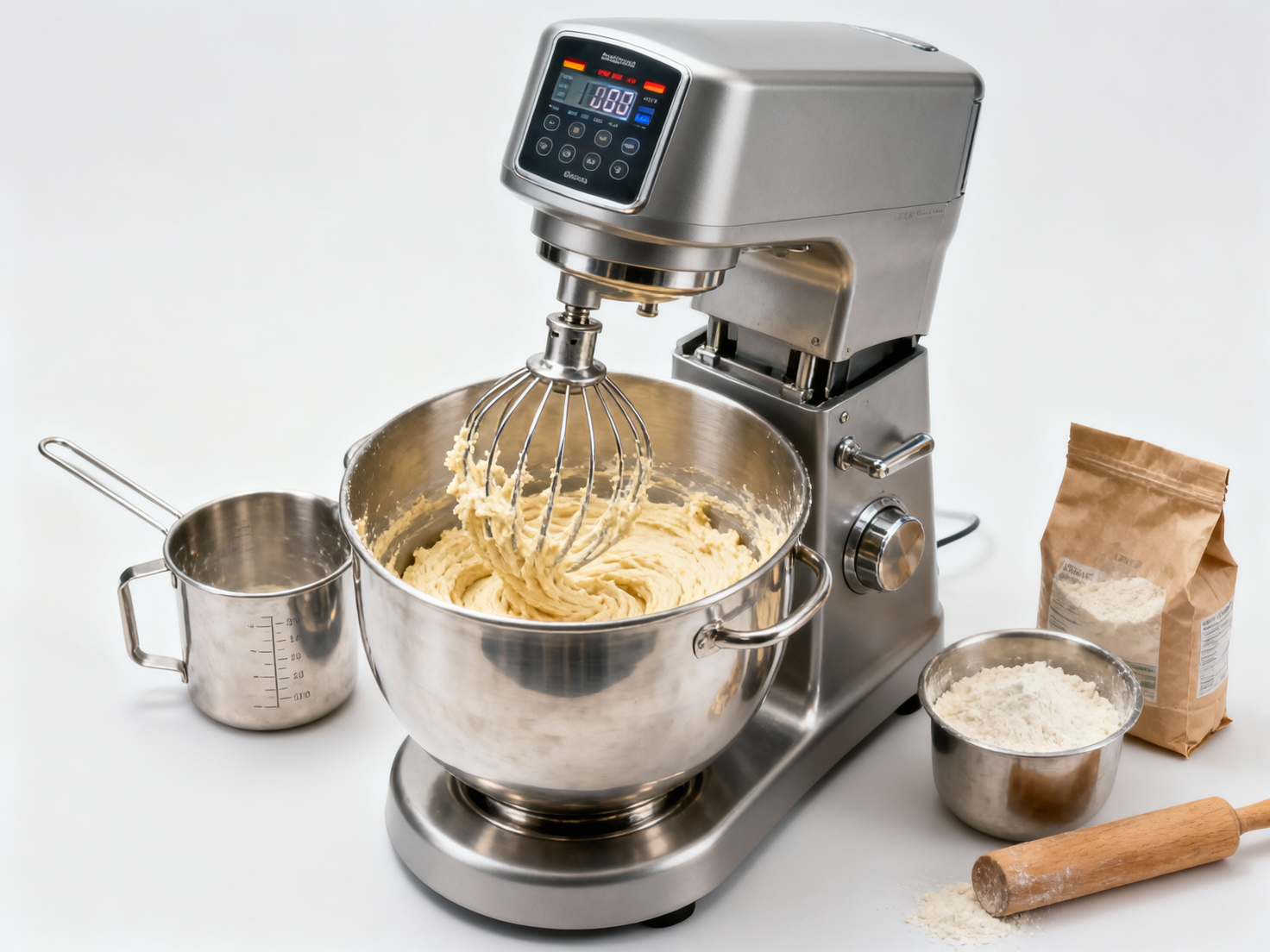
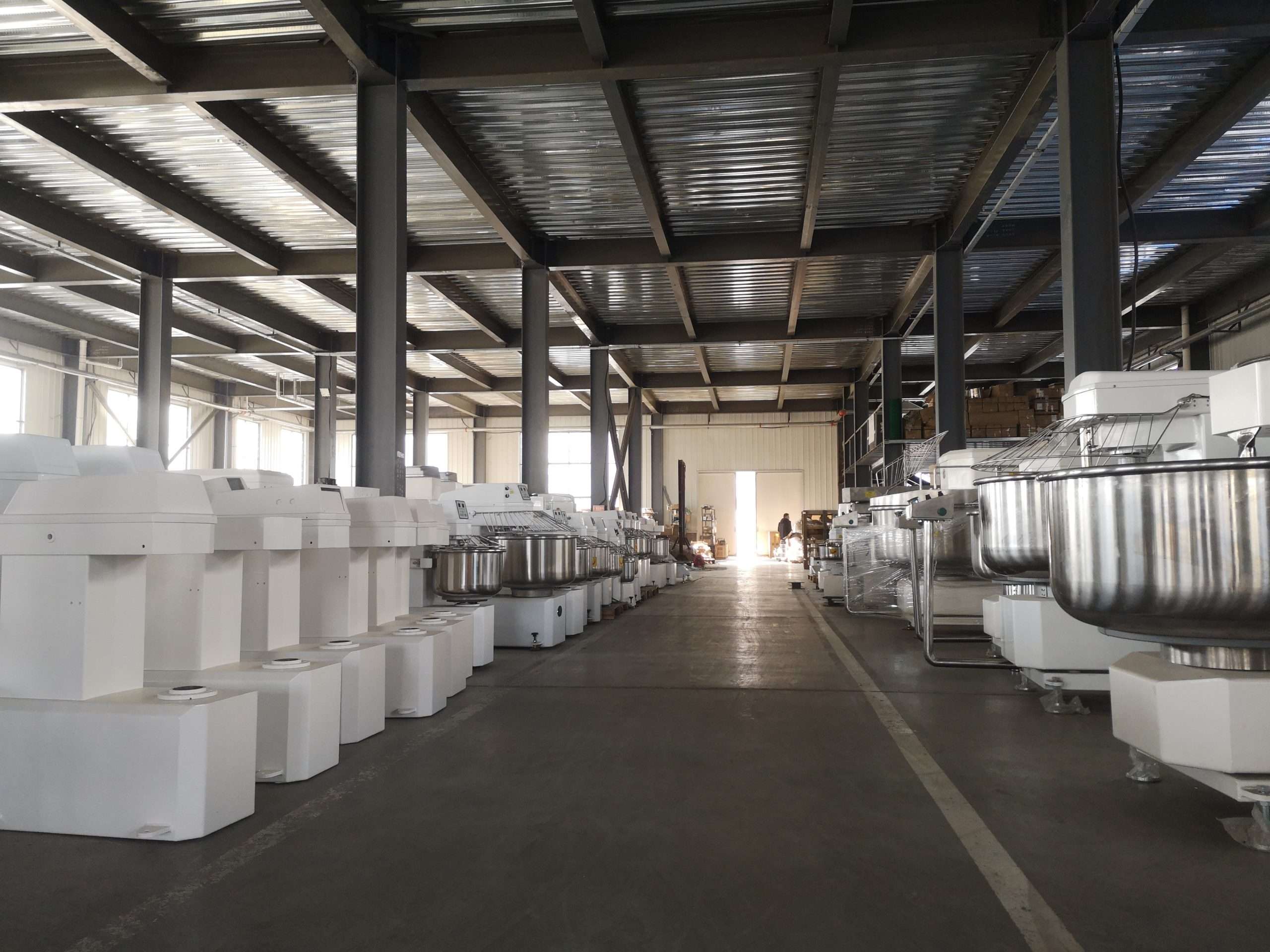
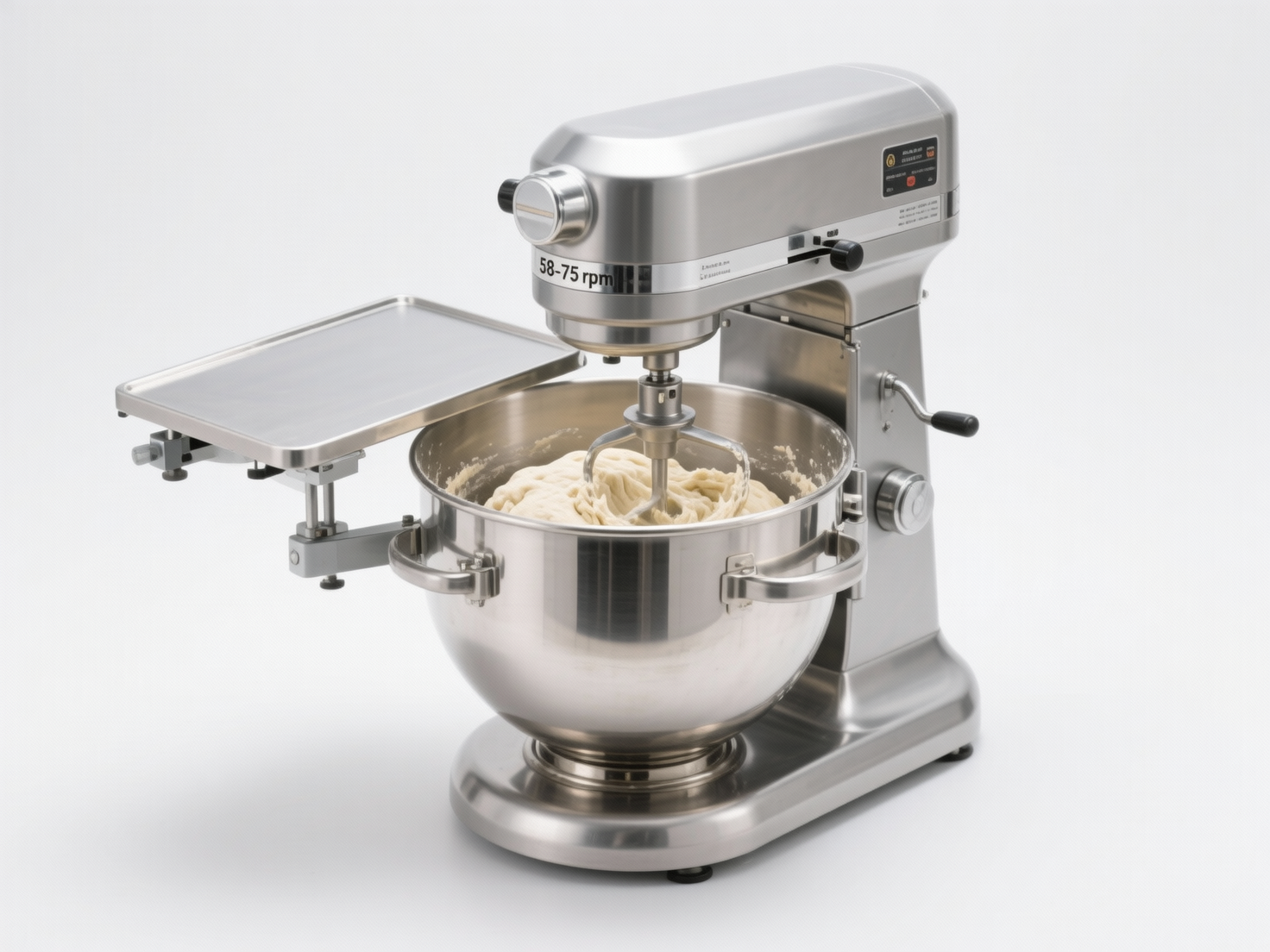
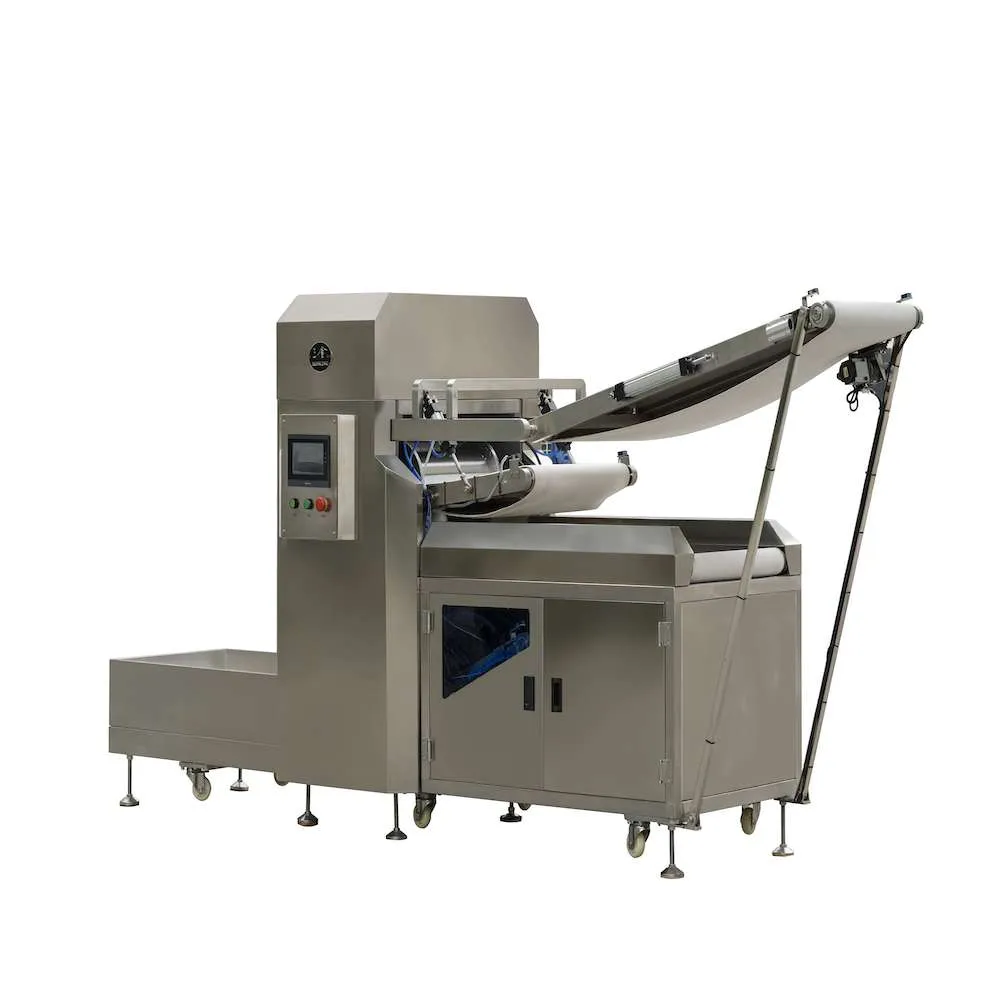
 125kg Intelligent variable pitch dough kneading machineThis intelligent variable-pitch dough kneading machine integrates shaping, quantitative segmentation, and automatic dough pressing functions. Customers can set the segmentation weight and the number of dough pressing times according to the requirements of the finished product. A self-unloading dough mixer can also be connected in front of the dough pressing machine to realize a fully automatic production line.
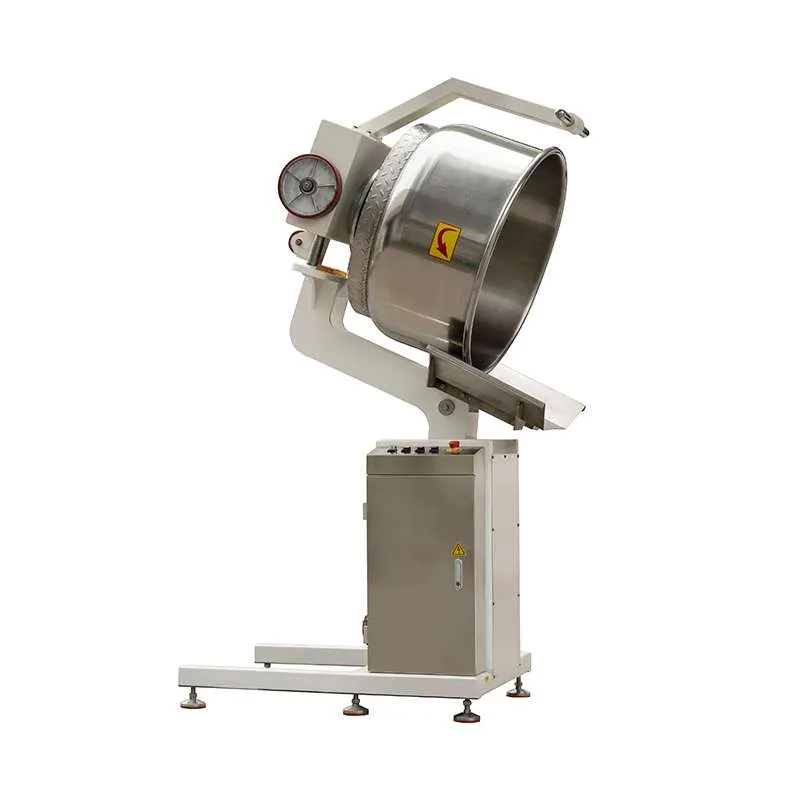
 Bucket Tilting Machine For Dough Spiral MixerBucket Tilting Machine for Dough Spiral Mixer Description:
In today’s fast-paced food industry, automation and precision are key factors that determine efficiency and quality. The bucket tilting machine, a state-of-the-art equipment, has revolutionized the food field by introducing innovative features that greatly enhance the production process. Bakery Equipment 125kg 150kg Kneader Spiral Dough MixerThe mobile spiral mixer, which fixed with a trolley hook, and equipped with a fully enclosed safety cover (with anti-pinching function). The mixing hook is made of imported high-strength stainless steel and is heat-bent. The gap between the cylinder hook is uniform, which fully ensures that the dough is evenly gluten-forming. In addition, an automatic water-adding system can be provided to meet customers’ special customization requirements.
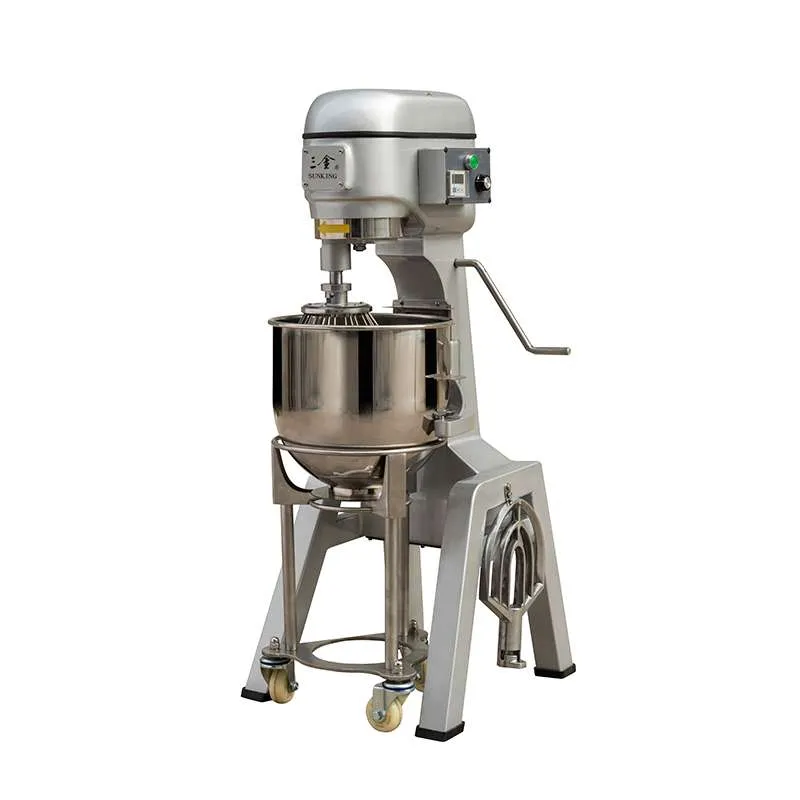
 Commercial Planetary Mixer Machine Electric For Bakery SaleCommercial Planetary Mixer Machine Electric For Bakery Sale :
In the world of baking, every detail counts. From the quality of the ingredients to the tools used, every aspect affects the final result. That’s why professionals and enthusiasts alike choose the SKW-20W and 25W high-performance whisks for their baking needs.
Please give us a message