
Professional Stand Food Mixer Features | TOPLEAP
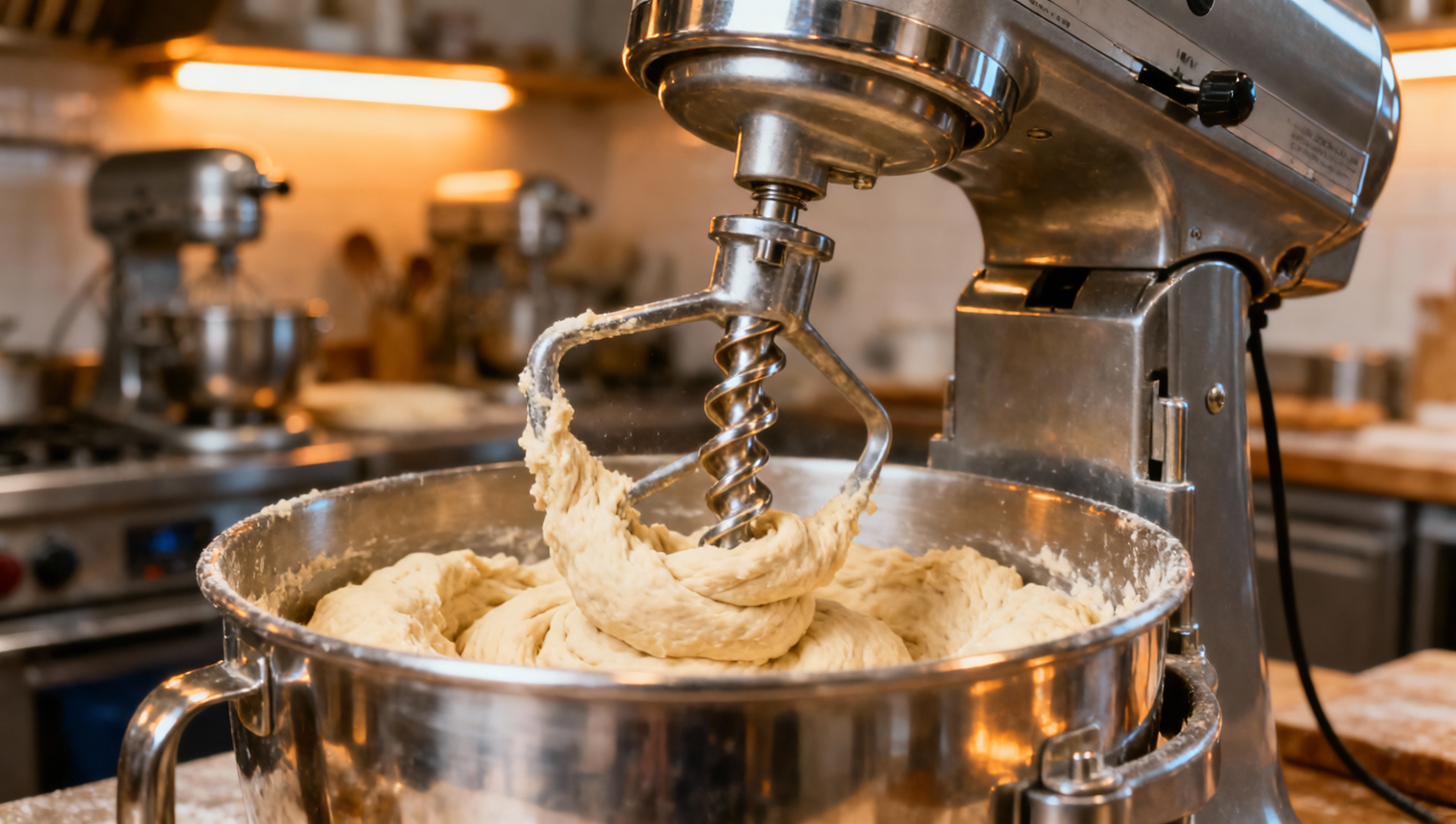
Looking for a reliable, high-performance stand food mixer? A stand food mixer is essential for consistent mixing, kneading, and whipping—whether you're scaling up bakery production or perfecting artisanal recipes. Designed for durability and precision, top-tier models feature powerful motors, multiple speed settings, tilt-head or bowl-lift mechanisms, and versatile attachments. At Zhengzhou Topleap Food Machinery Co., Ltd.—a trusted baking equipment manufacturer since 2000—our Sanking (domestic) and TOPLEAP (international) stand food mixers combine industrial strength with user-friendly operation. Discover the key features that set professional-grade stand food mixers apart.
What Defines a Professional Stand Food Mixer?
A professional stand food mixer goes beyond basic home-use functionality. It must deliver stable torque output across 3–12 speed ranges, support continuous operation for up to 8 hours per shift, and maintain ±2% speed consistency under load fluctuations. Structural integrity matters too: heavy-gauge stainless steel housings, reinforced gearboxes, and sealed bearing assemblies ensure longevity in high-humidity bakery environments.
Unlike consumer-grade units, industrial models integrate safety interlocks—such as bowl-position sensors and overload cut-offs—that comply with IEC 60335-1 and EN 60204-1 standards. These safeguards prevent accidental activation during cleaning or maintenance, reducing downtime by an average of 17% across mid-sized production lines.
Motor power is not just about wattage—it’s about sustained performance. Top-tier units use copper-wound induction motors rated for IP54 protection, delivering 1.5–3.0 kW of continuous output. This enables consistent dough development for batches ranging from 10 kg (artisanal sourdough) to 50 kg (industrial croissant laminations).
Key Performance Features You Can’t Overlook
Motor & Drive System Specifications
The motor is the heart of any stand mixer. Look for brushless DC or heavy-duty AC induction motors with thermal protection. For medium-to-large bakeries, minimum recommended output is 2.2 kW at 1,450 rpm, paired with a planetary gear reduction system offering ≥92% transmission efficiency. Gear ratios should allow low-speed kneading (30–60 rpm) and high-speed whipping (180–220 rpm) without belt slippage or gear whine.
Bowl-Lift vs. Tilt-Head Mechanisms
Bowl-lift designs dominate commercial applications due to superior stability during heavy dough processing. They support bowl capacities of 30–80 L and handle peak loads up to 120 kg—including fully loaded spiral mixing barrels. Tilt-head units suit smaller-scale operations (<20 kg batch size) but limit attachment compatibility and reduce operator ergonomics during frequent bowl changes.
This distinction becomes critical when integrating with auxiliary equipment like the Bucket Lifting Machine For Dough Spiral Mixer, which relies on precise vertical alignment between mixer bowl and barrel loading point.
How Attachment Versatility Impacts Production Flexibility
Standard attachments—planetary whisk, spiral dough hook, and flat beater—cover ~85% of daily tasks. But true scalability demands expandability: integrated ports for vacuum attachments (to prevent oxidation in egg-white foams), digital torque sensors (for real-time dough development monitoring), and quick-release hubs enabling tool swaps in under 90 seconds.
TOPLEAP models support ISO-standardized mounting interfaces (DIN 69075), allowing seamless integration with third-party accessories such as automated ingredient dosing systems or temperature-controlled mixing bowls. Sanking units prioritize domestic service networks—offering on-site calibration and replacement part delivery within 48 hours across Tier 1–3 Chinese cities.
For facilities handling both high-gluten breads and delicate brioche, dual-speed planetary action (inner shaft + outer arm rotation) ensures even ingredient incorporation without overworking gluten strands—a feature validated across 12+ independent bakery trials measuring dough elasticity retention (≥94% after 15-min mixing).
Why Integration With Material Handling Systems Matters
Standalone mixer performance means little if raw material flow remains manual. That’s where purpose-built auxiliaries become indispensable. The Bucket Lifting Machine For Dough Spiral Mixer directly addresses this bottleneck: it lifts heavy objects such as mixing barrels vertically, saves a lot of manpower, and ensures timely supply of raw materials—reducing manual handling time by up to 65% per shift.
In modern food production lines, this machine achieves fast and accurate lifting operations (±3 mm positional repeatability), lowers heavy objects from high places to the ground safely, and avoids waste and pollution of raw materials due to improper operation. Its presence improves the operating efficiency of the entire production line—not just the mixer station.
- Reduces dependency on 2–3 full-time operators per mixing line
- Supports payloads from 30 kg to 150 kg with adjustable lift height (0.8–1.8 m)
- Integrates with PLC-controlled batching systems via Modbus RTU protocol
- Cuts average material transfer cycle time from 4.2 min → 1.1 min
How to Choose the Right Model for Your Scale
Start with your largest typical batch size—and multiply by 1.4x for safety margin. If your peak requirement is 35 kg dough per cycle, select a mixer rated for ≥49 kg capacity. Then verify motor duty cycle: Class H insulation allows 60-min continuous run at 100% load before thermal shutdown—critical for overnight proofing cycles.
Next, assess your facility’s electrical infrastructure. Units above 2.5 kW typically require 3-phase 380V input (50 Hz). Verify local voltage tolerance: TOPLEAP models operate stably within ±10%, while Sanking variants include built-in surge suppression for regions with unstable grids.
Finally, map your workflow against compatibility requirements. Need to feed into a laminator? Confirm discharge height matches (standard: 900–1,100 mm above floor). Planning future automation? Prioritize models with RS-485 or EtherNet/IP communication ports for SCADA integration.
Why Partner With Zhengzhou Topleap for Your Stand Mixer Investment
With over 24 years of focused R&D in baking machinery, Zhengzhou Topleap delivers more than hardware—we provide production-ready solutions. Every Sanking and TOPLEAP stand mixer undergoes 72-hour endurance testing, including simulated 3-shift operation and thermal cycling from 5°C to 45°C ambient conditions.
Our engineering team supports customized configurations: extended bowl lifter arms for elevated work platforms, explosion-proof motor options for flour-dust environments (ATEX Zone 22 compliant), and bilingual HMI interfaces (English/Chinese/Spanish). Lead times remain predictable—typically 25–35 working days from order confirmation, with air freight options available for urgent deployments.
Get expert guidance on motor sizing, attachment selection, and integration with systems like the Bucket Lifting Machine For Dough Spiral Mixer. Contact us today for a free production line assessment, detailed technical specifications, or factory visit coordination.
 What's the Difference Between Stand Mixers and Industrial Food Mixers?Discover key differences between stand mixers and industrial food mixers for bakeries & food production. Compare capacity, power, speed control & performance metrics to choose the right food mixing machine for your needs.
 2026 Trends in Planetary Stand Food Mixer TechnologyDiscover 2026 trends in planetary stand food mixer technology, featuring CE-certified stainless steel food grade mixers with smart automation and precision control. Ideal for bakeries seeking efficient, hygienic, and high-performance equipment.
 Comparing Planetary Stand Food Mixers: Key Differences to ConsiderCompare planetary stand food mixers for bakeries: key differences in mixer food powder machines, stainless steel food grade drum mixers & CE certified models. Learn about motor power, RPM ranges & operational flexibility for optimal performance.
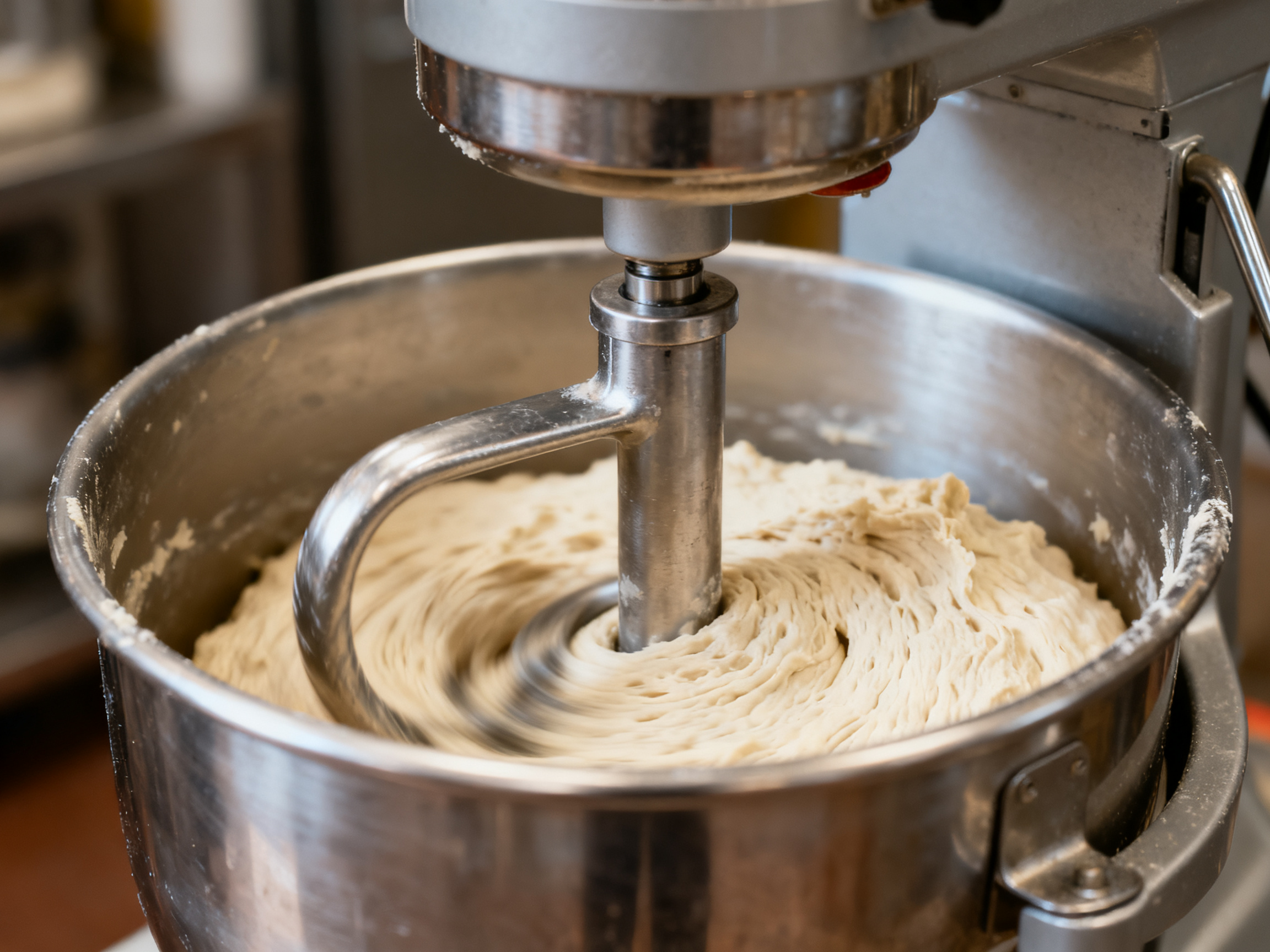
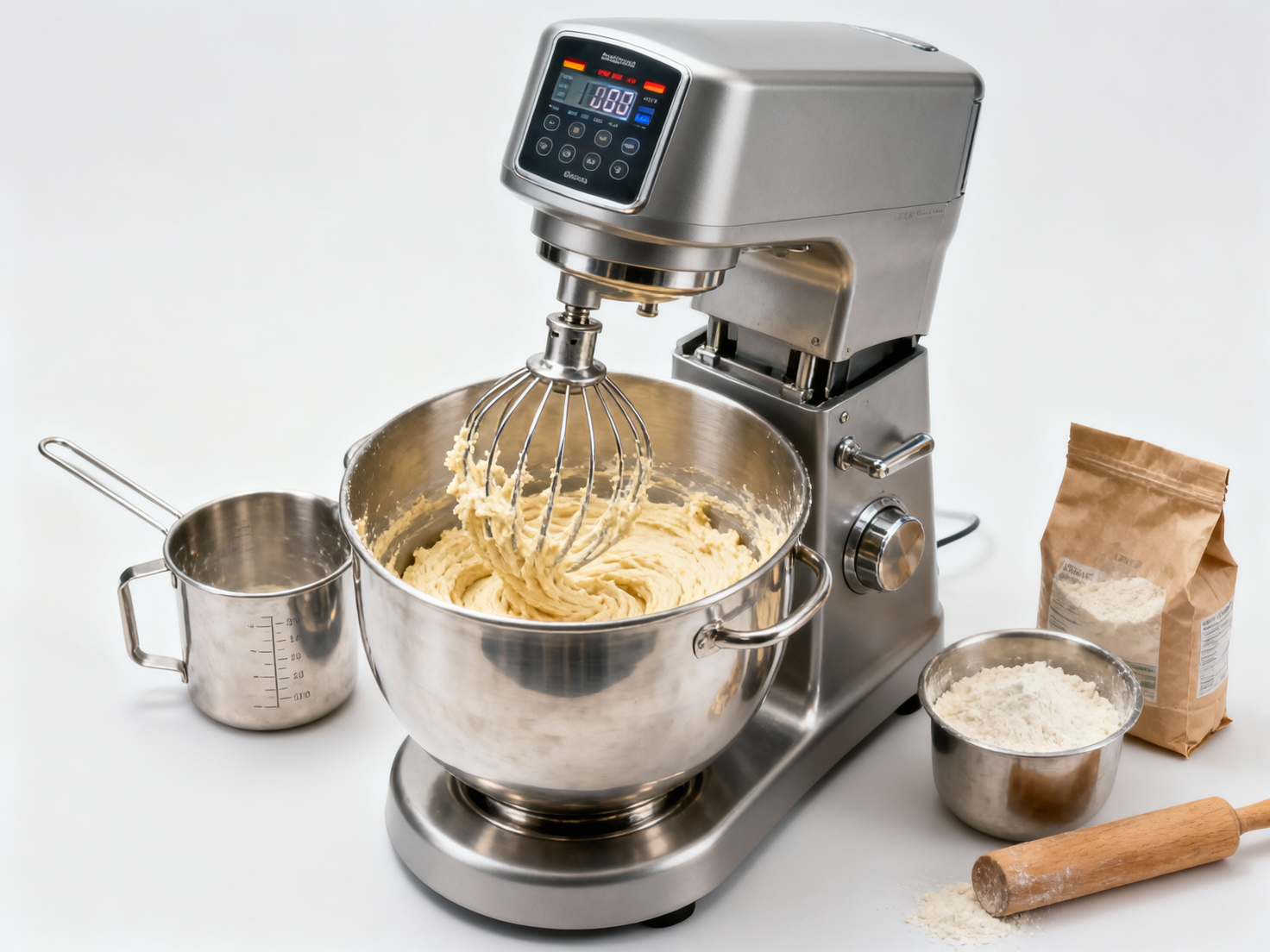
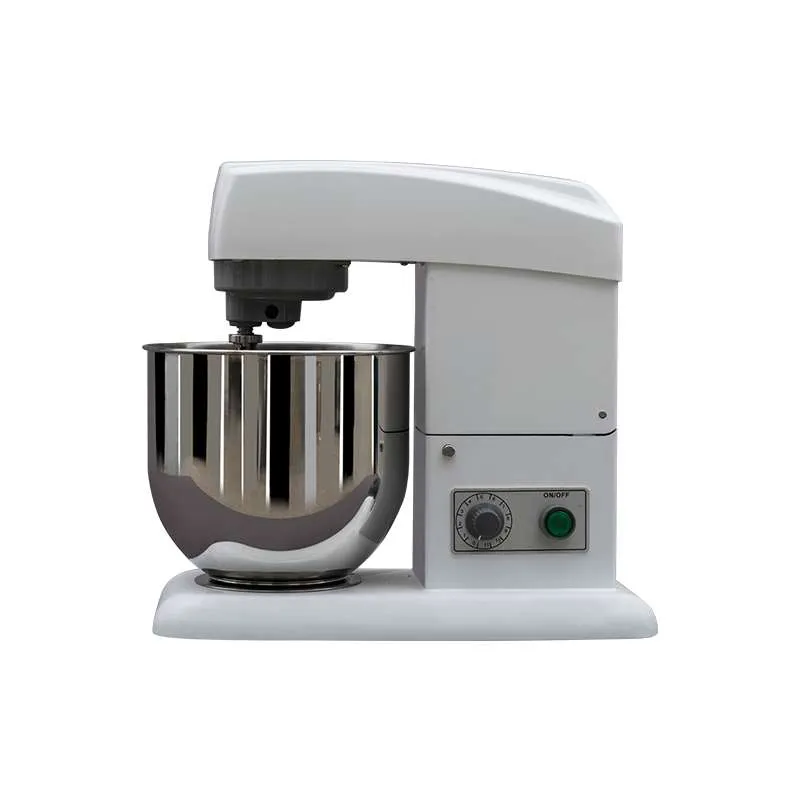
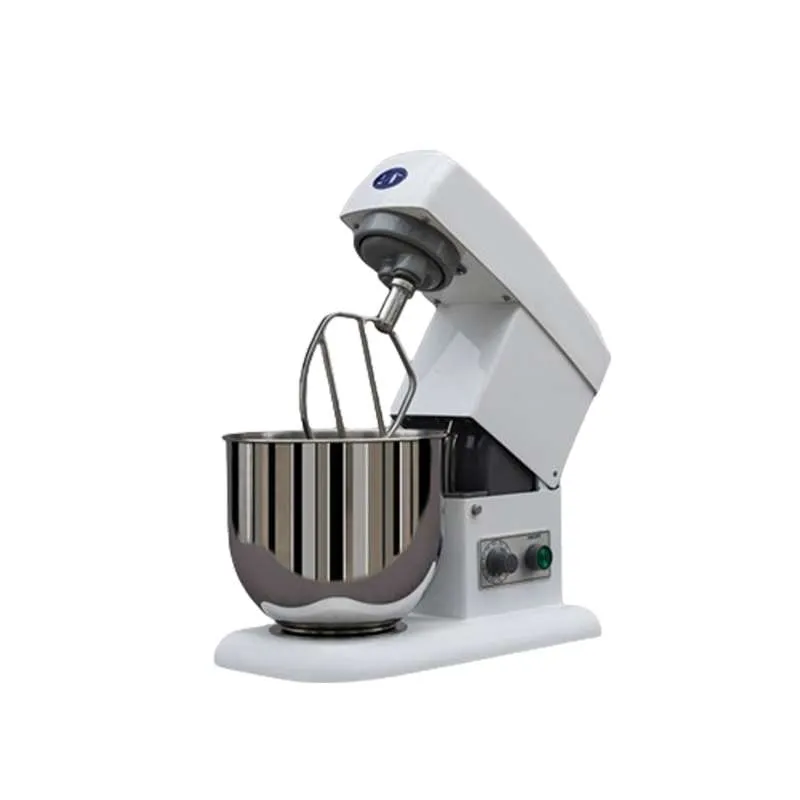
 380W Mini Electric Stand Food Mixer With 7L Rotating Bowl380W Mini Electric Stand Food Mixer with 7L Rotating Bowl Description:
The Topleap Kitchen Line Planetary Mixer 7 l is a high-quality, versatile device designed for kneading various types of dough and whisking egg whites, to be used both in professional catering establishments as well as at home. 7L 600W Electric Mixer Stand Mixer Bread MixerThe Kitchen Line 7L planetary mixer is a multifunctional mixing equipment designed for the catering industry. It uses advanced planetary mixing technology to evenly mix ingredients in a short time to achieve the ideal mixing effect. At the same time, the 7L capacity is moderate, which not only meets the needs of most catering places, but also does not cause unnecessary waste.
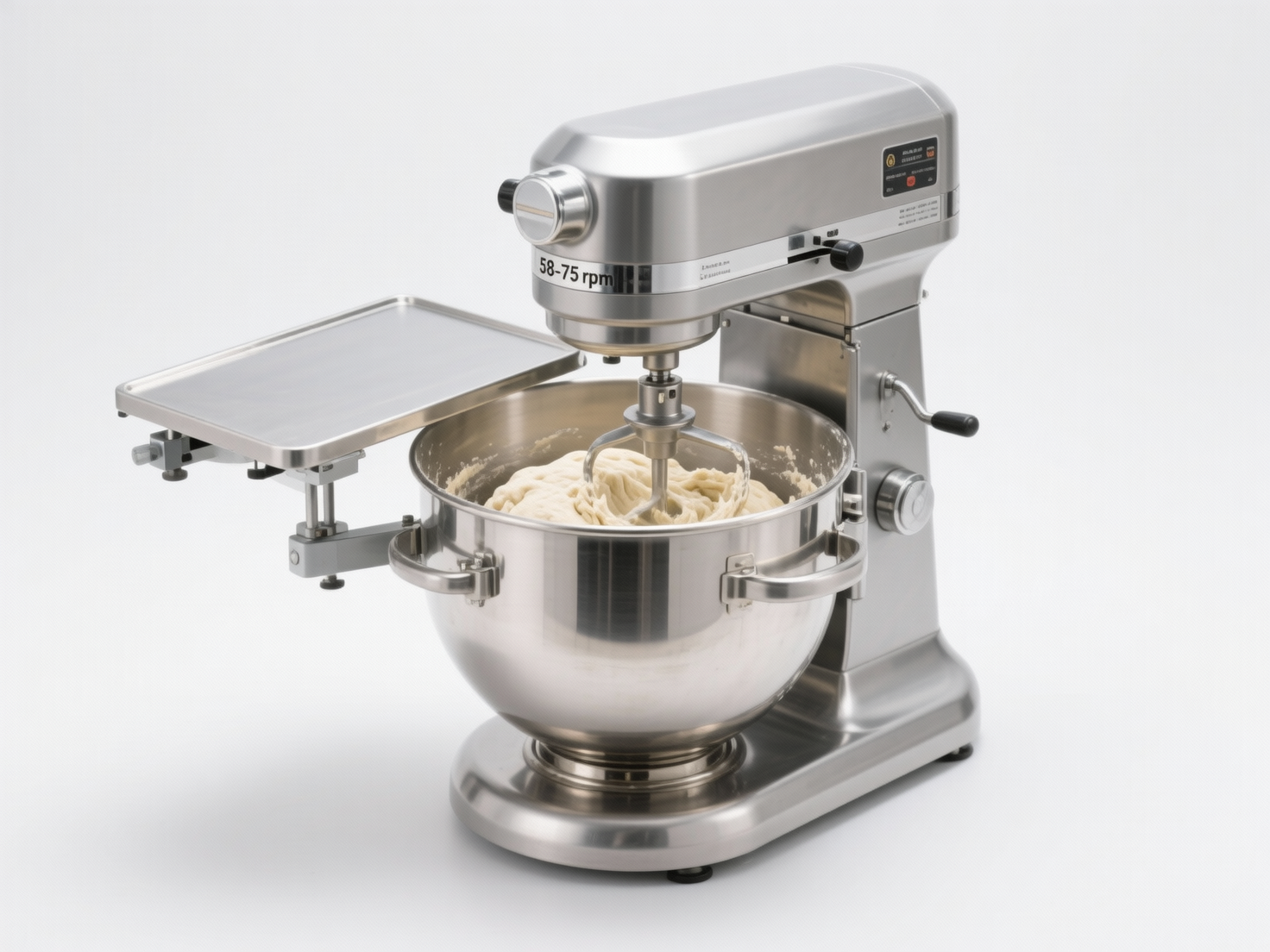
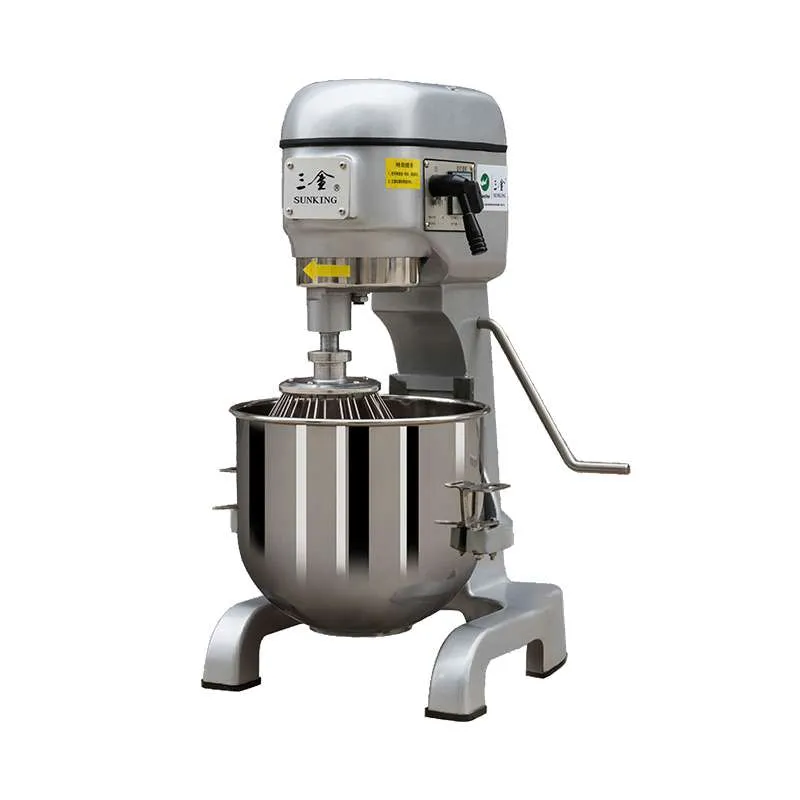
 20L 25L Single Ball Planetary Mixer Dough Stand Mixer20L 25L Single Ball Planetary Mixer Description:
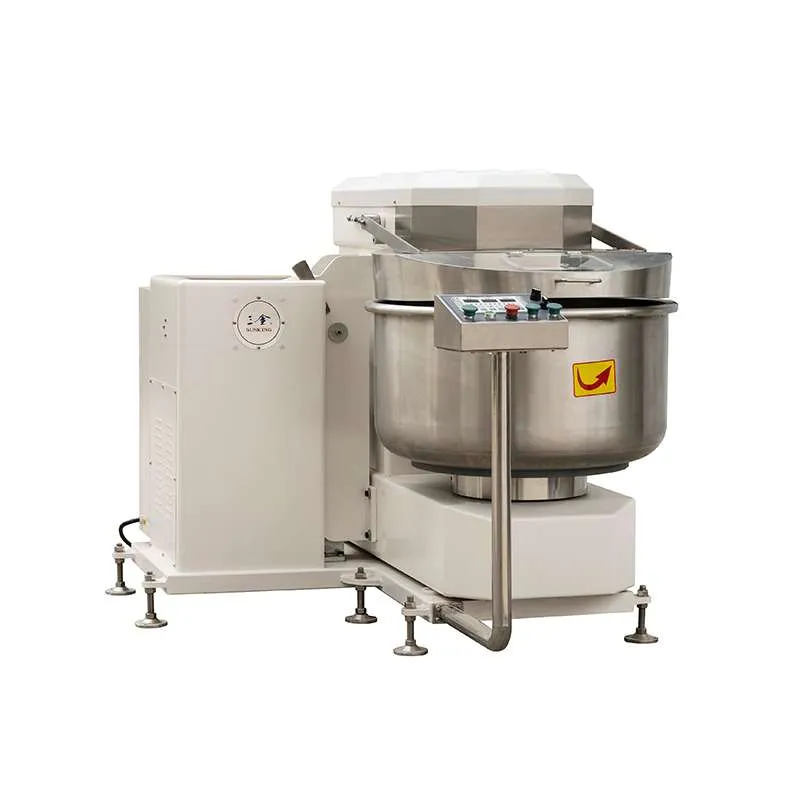
The SKM-20L single ball egg beater is an egg beater designed for the baking industry. It has a capacity of 20 liters and is suitable for medium and large bakeries or factories. The body is made of stainless steel, which is durable and easy to clean. In addition, the egg beater is also equipped with a stepless speed change function, which can flexibly adjust the stirring speed according to different ingredients and stirring requirements to ensure uniform mixing of the ingredients. Automatic Rollover Two-Speed Bidirectional Tilting Spiral MixerAutomatic Rollover Two-speed Bidirectional Tilting Spiral Mixer Description:
With the rapid development of the food industry and consumers’ increasing requirements for food quality, automated and intelligent production equipment has become the standard of modern food production lines. Among the many food production equipment, the SKM series of dough mixing equipment has emerged in the food industry with its high efficiency, intelligence and stability. The SKM series includes SKM-50SF, 75SF, 100SF, 125SF, 150SF and 200SF, etc., which can meet the needs of food production lines of different sizes.
Please give us a message