
What Certifications Should a Reliable Chinese Spiral Mixer Have?
What Certifications Should a Reliable Chinese Spiral Mixer Have?
What Certifications Should a Reliable Chinese Spiral Mixer Have?
A reliable Chinese spiral mixer should have ISO 9001 certification for quality management, CE marking for European market compliance, and food-grade material certifications. These ensure the mixer meets international standards for safety, hygiene, and performance. Additional certifications like NSF or UL may be required for specific markets.
Certifications matter because they verify the equipment's safety, durability, and compliance with food production standards. When evaluating a spiral mixer, prioritize certifications that match your target market's regulations and your production scale needs.
Why is ISO 9001 certification important for spiral mixers?
ISO 9001 certification indicates the manufacturer follows consistent quality management processes during production. This certification reduces risks of equipment failure and ensures better after-sales service.
For food production businesses, ISO 9001 certified mixers typically demonstrate more reliable performance and longer service life. The certification covers design, production, and quality control processes that directly affect the mixer's durability.
What does CE marking guarantee for spiral mixers?
CE marking confirms the spiral mixer meets European Union safety, health, and environmental requirements. It's mandatory for selling equipment in EU markets and indicates compliance with Machinery Directive 2006/42/EC.
Beyond basic safety, CE marked mixers undergo testing for electrical safety, noise levels, and mechanical hazards. This certification becomes particularly important when exporting to European markets or working with international clients.
How do food-grade material certifications affect mixer selection?
Food-grade certifications ensure all contact surfaces use materials safe for food production. Common standards include FDA (US) and EC 1935/2004 (EU) for materials that touch dough.
These certifications prevent contamination risks and simplify hygiene maintenance. For bakeries with strict food safety protocols or export requirements, verified food-grade materials become essential rather than optional.
When should you look for additional NSF or UL certifications?
NSF or UL certifications become necessary when supplying to North American markets or large food service chains. These provide third-party verification of food equipment safety beyond basic requirements.
NSF/ANSI 4 specifically evaluates commercial food equipment like spiral mixers. If your business targets institutional clients or plans US/Canada expansion, these certifications help meet procurement standards many buyers require.
What other compliance marks might affect international purchases?
Depending on target markets, you may need GOST-R (Russia), CCC (China), or SAA (Australia) certifications. These country-specific marks demonstrate compliance with local technical regulations.
Export-focused manufacturers often maintain multiple certifications to serve different markets efficiently. When sourcing a mixer for international operations, verify which marks apply to your distribution regions.
Comparing Certification Requirements by Market
Your certification priorities should align with both current needs and future expansion plans. Mixers with multiple certifications provide more flexibility for growing businesses.
Implementation Considerations for Zhengzhou Topleap Food Machinery
For businesses needing mixers that balance international standards with cost efficiency, Zhengzhou Topleap's ISO 9001 certified spiral mixers offer a practical solution. Their equipment meets basic export requirements while maintaining competitive pricing.
The company's decade-long designation as competition equipment suggests reliability in professional baking environments. Their export-focused approach (40% of sales) means their mixers typically include CE marking and basic food-grade compliance.
Decision Checklist for Spiral Mixer Certification Needs
- If exporting to EU markets, verify CE marking and food-grade material documentation
- If supplying North American clients, prioritize NSF/UL certified models
- If scaling operations, choose ISO 9001 certified equipment for better longevity
- If handling sensitive ingredients, confirm specific food-grade certifications
- If targeting multiple markets, select mixers with the broadest certification coverage
Before purchasing, request test reports and certification copies to verify authenticity. Reputable manufacturers willingly provide this documentation during the evaluation process.
News List
- What Certifications Should a Reliable Chinese Spiral Mixer Have?Apr 17, 2026
- How Chinese Spiral Mixer Technology Has Evolved in Recent YearsApr 17, 2026
- High-speed mixer is a simple type of dispersion equipmentMar 18, 2026
- What are the working principles and advantages of high-speed mixers?Jul 09, 2024
Best-Selling Products
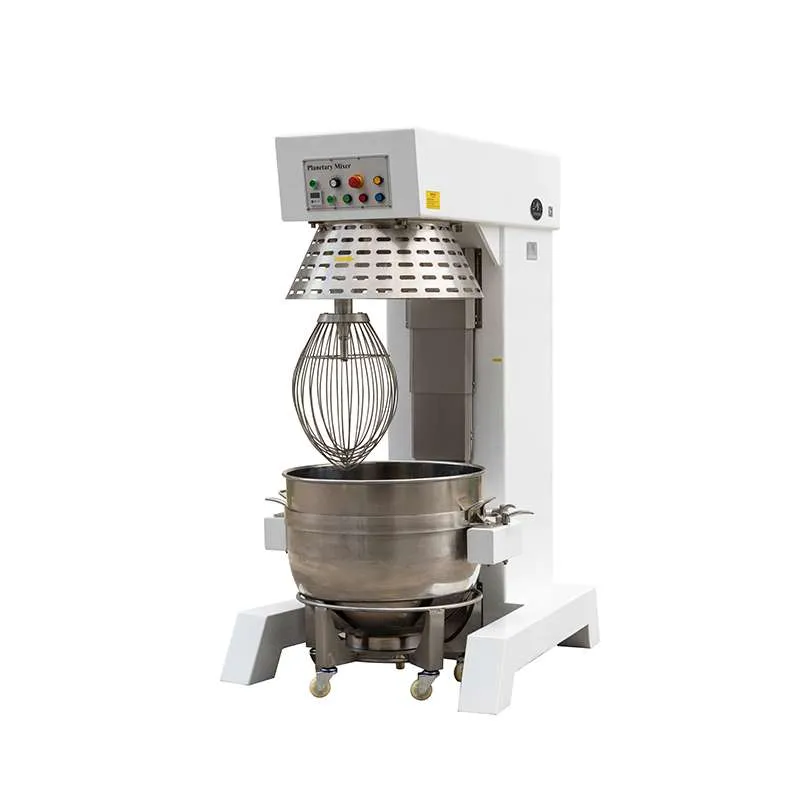
 Industrial Commercial mixer cake Dough Mixer planetary mixer for sale
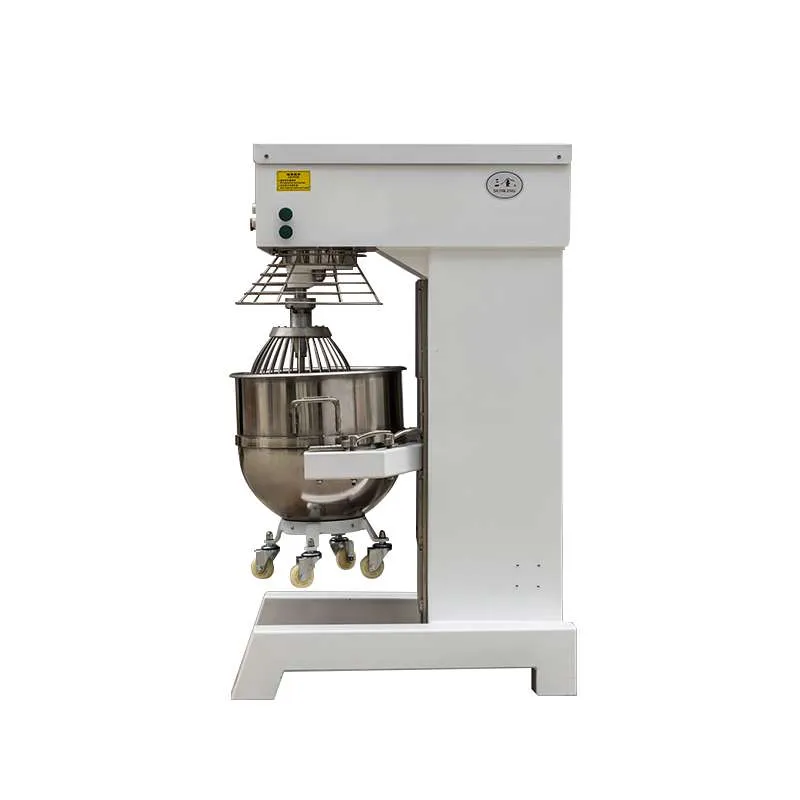
 Hot Selling SKM-60L 80L 100L Stainless Steel Planetary Mixer
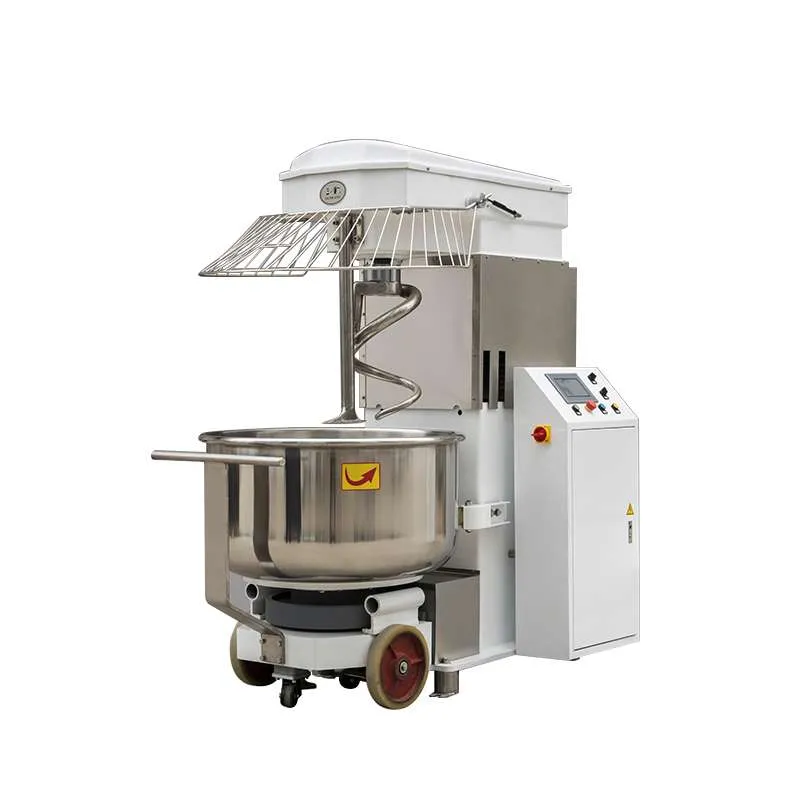
 Bakery Equipment 125kg 150kg Kneader Spiral Dough Mixer
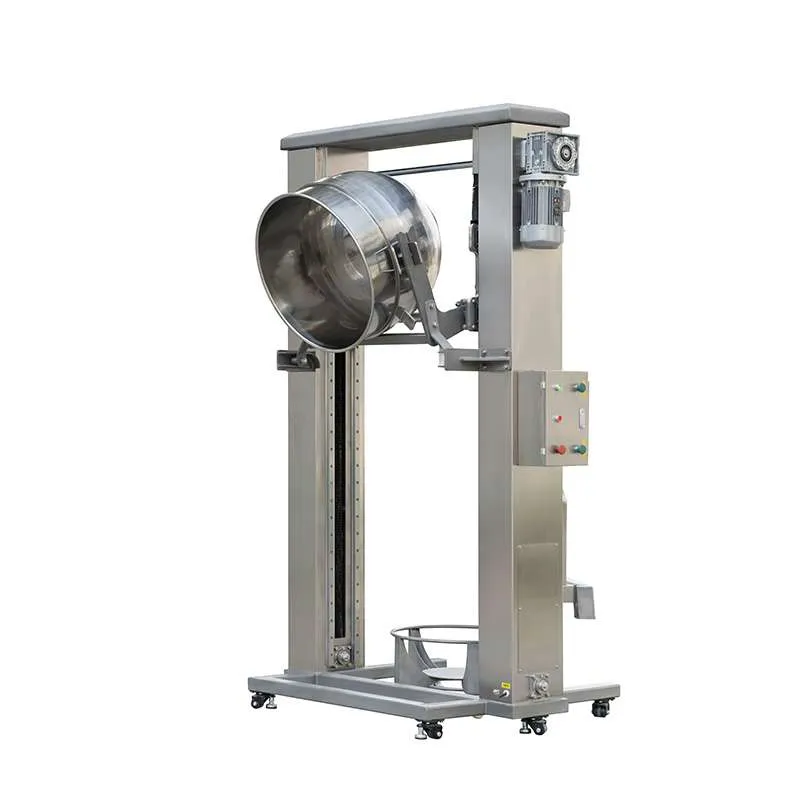
 Double Columns Lifting Machine
 7L 600W Electric Mixer Stand Mixer Bread Mixer
 Piston Pump For Planetary Mixer
 Mobile Planetary Mixer With Mobile Platform And Customizable Height
 2024 Kitchen Mixer With One Ball Commercial Appliances Planetary Mixer
Leave Us a Message
Send us a Message
A dedicated person will follow up on your needs one-on-one and provide personalized customized solutions according
to your needs.
Get In Touch
We look forward to hearing from you for in-depth communication on how to fulfill your mixing requirements.
Please give us a message