
How Food Mixers Support Consistent Batch Production
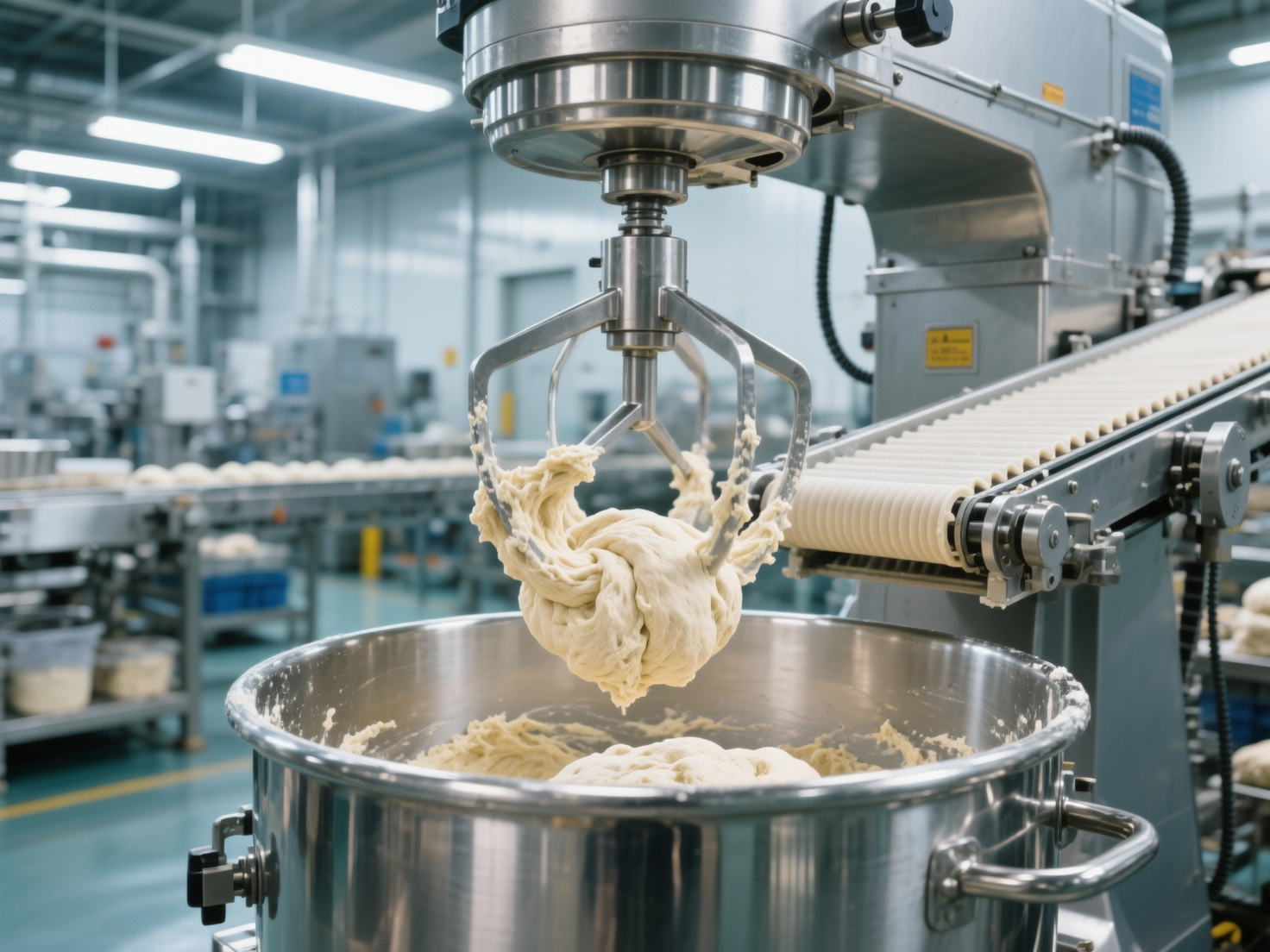
Consistent batch production in the food industry relies heavily on the precision and efficiency of modern food mixers. From industrial food mixers and planetary mixers to cake mixers and bread mixers, each food mixing machine helps achieve uniform texture and stable quality in various recipes. Zhengzhou Topleap Food Machinery Co., Ltd., with its TOPLEAP and Sanking brands, offers advanced food mixer machines and mixer food processors designed to optimize performance, ensure reliability, and support continuous production for both commercial kitchens and large-scale baking operations.
Understanding the Role of Food Mixers in Batch Production
Food mixers are mechanical devices used to blend ingredients with controlled speed and torque. They allow operators to maintain uniform dough consistency across batches, minimizing the ±3% variance commonly found in manual or semi-automatic processes. In high-volume production, achieving this precision reduces the rate of defective products and supports a higher output-to-waste ratio.
Industrial food mixers play a central role at each production stage — pre-mixing, kneading, emulsifying, and aerating. Depending on the product types, such as bread, cake, or cream fillings, the mechanical movement must remain stable over continuous cycles of 8–12 hours per shift. The repeatability of the mixing process ensures every batch meets the same formulation tolerance and sensory quality.
Modern planetary mixers, for example, allow multiple attachments and variable speed modes between 60–600 rpm. By maintaining precise timing, viscosity, and temperature control, they guarantee consistency and reduce the risks of overbeating or under-mixing — common quality control pitfalls in food production facilities.
Zhengzhou Topleap Food Machinery integrates over two decades of design and production experience into its equipment architecture. Both TOPLEAP and Sanking mixer lines are built with long-duty motors and optimized gear ratios, enabling stable torque delivery through heavy mixing cycles.
Key Technical Parameters and Mixer Performance Indicators
When evaluating a food mixer for consistent batch production, technical indicators such as bowl capacity, power rating, rotation speed, and torque retention are critical. Typically, small to mid-range commercial mixers range from 5L to 60L capacity, while industrial floor models may reach up to 200L, covering small batch to mass production needs.
The following table presents a comparative overview of representative mixer parameters within the standard manufacturing range.
These figures highlight three essential purchasing metrics — power continuity, batch capacity, and torque stability — each influencing consistent quality. A typical 60L spiral mixer running at 450 rpm can handle approximately 25 kg of flour per batch, sustaining uniform dough fiber distribution within ±1 mm deviation tolerance.
For quality assurance managers, such predictability translates to more stable cooling and baking curves in downstream processes. Regular calibration every 6–12 months helps maintain alignment between ingredient load and motor output efficiency.
Application Scenarios: From Craft Bakeries to Industrial Lines
Different bakery environments need mixers customized to their workflows. Craft bakeries operate in small batches of 5–15 kg per recipe, favoring planetary mixers for flexible speed adjustments. In contrast, centralized kitchens producing 3–5 tons per day rely on dual spiral mixers with automated bowl lifts and programmable cycles.
Topleap’s Sanking line serves domestic baking workshops prioritizing energy efficiency and low noise levels (below 70 dB), ensuring comfortable operation during long shifts. Its TOPLEAP line caters to overseas bakeries requiring 24-hour production reliability under continuous mixing workloads exceeding 10 hours per cycle.
The mixers are particularly useful across three major categories of products:
- Bread production – achieving uniform gluten development for dough elasticity.
- Cake production – controlled aeration within 3–6 minutes to ensure uniform crumb texture.
- Cream and icing – stable emulsification without overheating, maintaining below 28 °C during high-speed mixing.
By aligning mixer selection with application type, operators can improve cycle efficiency by 10–15% and reduce product rework frequency by nearly 20%, contributing to overall production stability.
Procurement Criteria: What to Check Before Purchasing a Food Mixer
When choosing a mixer, B2B buyers need measurable criteria to match operational needs. Evaluation should cover mechanical performance, maintenance accessibility, and compliance with hygiene standards such as GB 4706.38 or IEC 60335-2-64 for food equipment safety. Delivery schedules also vary; most mid-capacity mixers require 15–25 days lead time including inspection.
The following table outlines typical procurement checkpoints used by technical evaluators and distributors when assessing Topleap products or equivalent machinery.
Buyers should also confirm spare part availability and service support windows. Topleap provides standard maintenance coverage for 12 months, with spare parts accessible for up to 5 years post-purchase, ensuring lifecycle stability for distributors and end users alike.
To avoid operational bottlenecks, technicians should verify mixer gear lubrication intervals (typically every 400–500 hours) and periodically check for torque transmission efficiency loss, often within a 2–4% tolerance window.
Frequently Asked Questions: Ensuring Long-Term Consistency
How often should a food mixer be calibrated?
Calibration is typically recommended every 6–12 months depending on utilization rate. High-duty lines operating over 10 hours daily may require quarterly verification to keep motor load ratios within operational limits and maintain consistent speed uniformity.
What are common issues affecting batch consistency?
Most inconsistencies stem from uneven ingredient loading volumes, improper bowl alignment, or blade wear over 2,000 hours of use. Routine equipment inspection and ingredient pre-weighing within ±2% tolerance can significantly enhance batch uniformity.
How can I optimize mixer performance for energy savings?
Use programmable inverter controls to match energy output with torque demand, reducing unnecessary load peaks by 10–12%. Topleap models with intelligent drive systems adjust automatically to viscosity changes during production.
What is the usual delivery and installation period?
Production lead time for standard models is 15–25 days. Installation typically requires 1–2 days including on-site validation, aligning with standard commercial operation startup schedules.
Why Choose Zhengzhou Topleap Food Machinery Co., Ltd.
Founded in 2000 and located in Xinmi Quliang Industrial Park, Zhengzhou Topleap Food Machinery Co., Ltd. has built a reputation for reliable baking equipment manufacturing. With the Sanking brand serving domestic users and the TOPLEAP brand serving international markets, the company ensures responsive engineering and reliable after-sales support across regions.
Customers can consult Topleap for:
- Model selection and parameter verification for specific production capacities (5–200 L).
- Customization of mixer configurations based on viscosity, speed cycle, or energy consumption targets.
- Delivery schedule planning and spare parts lifecycle management.
- Compliance consulting with food-grade material and safety regulations.
To explore detailed specifications or request a tailored solution, professionals can directly contact Zhengzhou Topleap’s technical team for performance consultations and quotation scheduling. By focusing on stable production, efficient energy utilization, and user-driven design, Topleap continues to support global bakeries in achieving truly consistent batch production.
 Why Planetary Mixers Are the Best Choice for High-Volume Dough ProductionDiscover why planetary mixers are the top choice for high-volume dough production. These industrial food mixers offer unmatched versatility, efficiency, and consistency for bakeries and commercial kitchens. Learn about their superior mixing performance compared to spiral mixers.
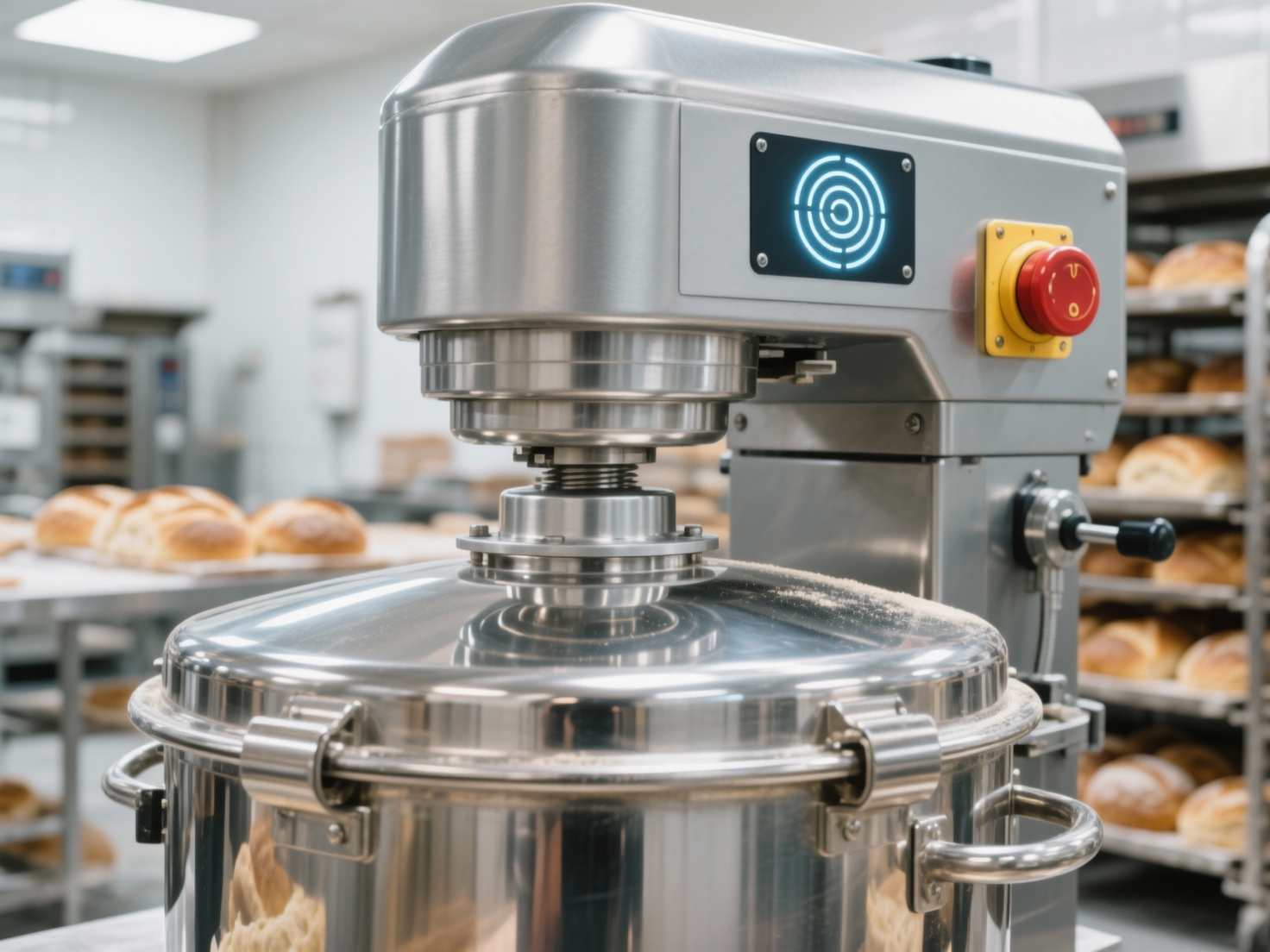
 The Latest Safety Features in Modern Bread Mixers You Should KnowDiscover essential safety features in modern bread mixers & food mixer machines. Learn about industrial food mixer innovations like planetary mixers with operator protection, smart monitoring & compliance standards for safer baking operations.
 How Food Mixing Machines Improve Efficiency in Commercial KitchensDiscover how industrial food mixers like planetary mixers and stand mixers boost efficiency in commercial kitchens. Save 60-80% time with automated bread & cake mixers while ensuring consistent quality. Explore top models now!
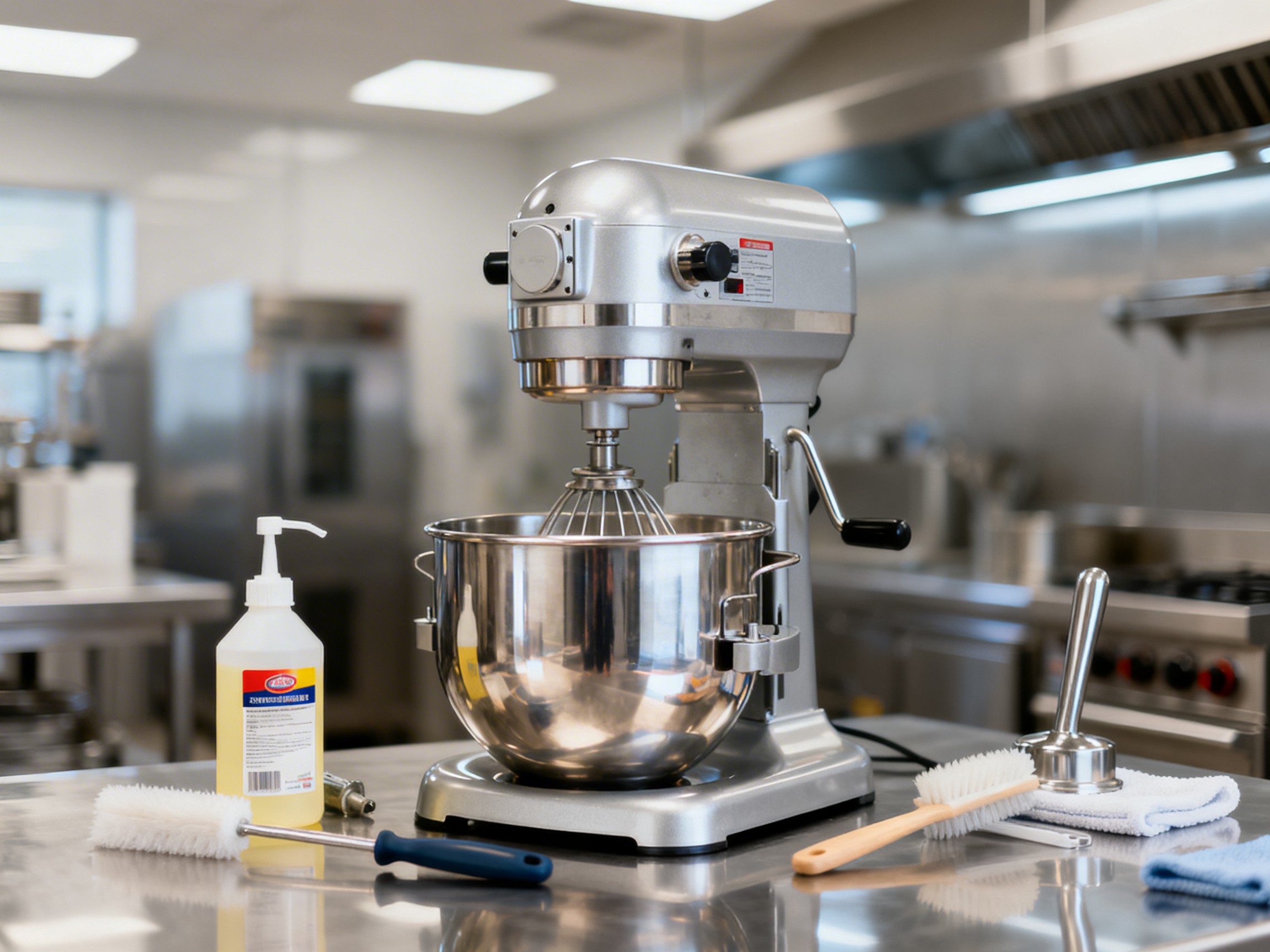
 Maintenance Tips to Extend the Life of Your Cake Mixer MachineDiscover expert maintenance tips for your food mixer machine to extend its lifespan. Learn daily cleaning routines, quarterly deep cleaning procedures, and troubleshooting for industrial food mixers like planetary mixers and stand mixers. Optimize performance and prevent costly repairs with our professional care guide.
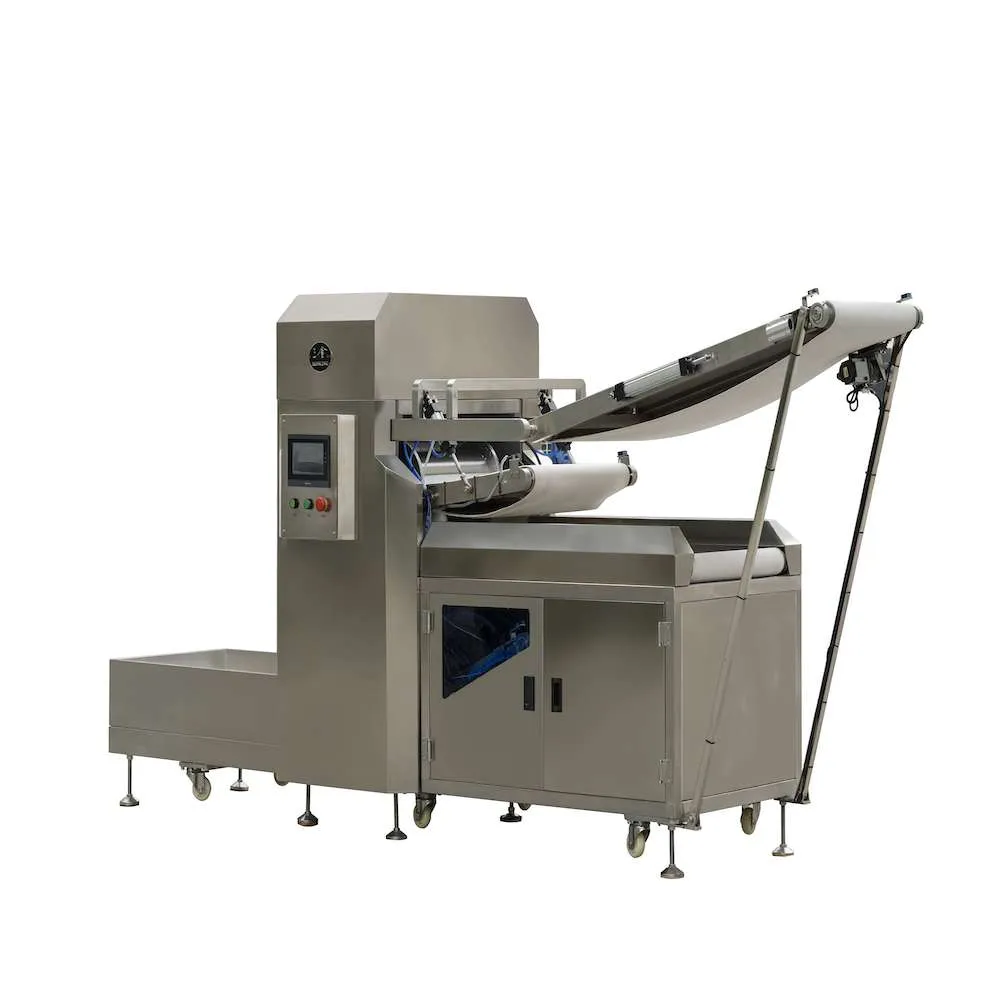
 125kg Intelligent variable pitch dough kneading machineThis intelligent variable-pitch dough kneading machine integrates shaping, quantitative segmentation, and automatic dough pressing functions. Customers can set the segmentation weight and the number of dough pressing times according to the requirements of the finished product. A self-unloading dough mixer can also be connected in front of the dough pressing machine to realize a fully automatic production line.
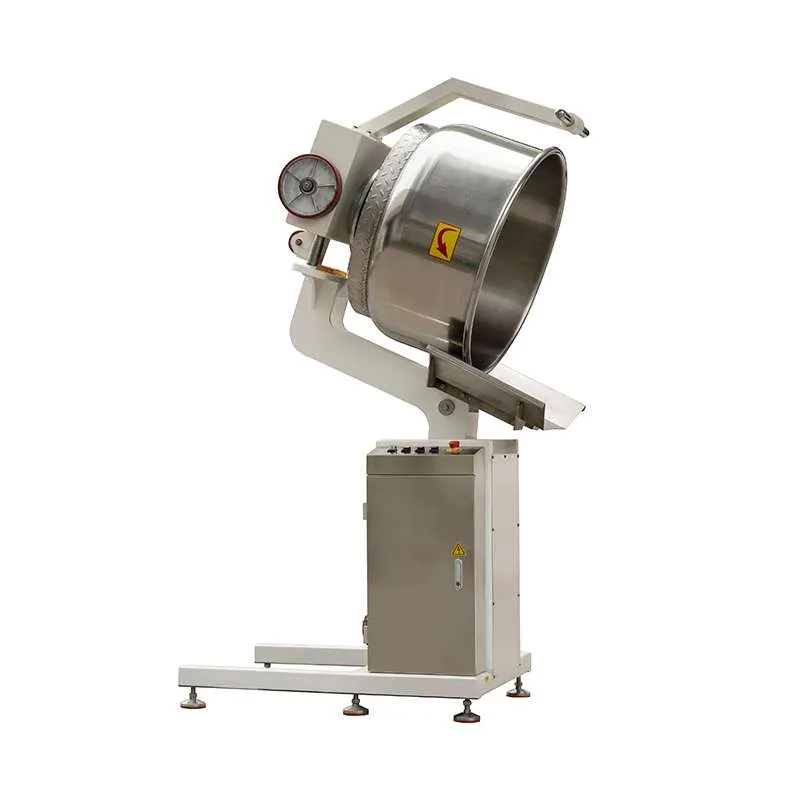
 Bucket Tilting Machine For Dough Spiral MixerBucket Tilting Machine for Dough Spiral Mixer Description:
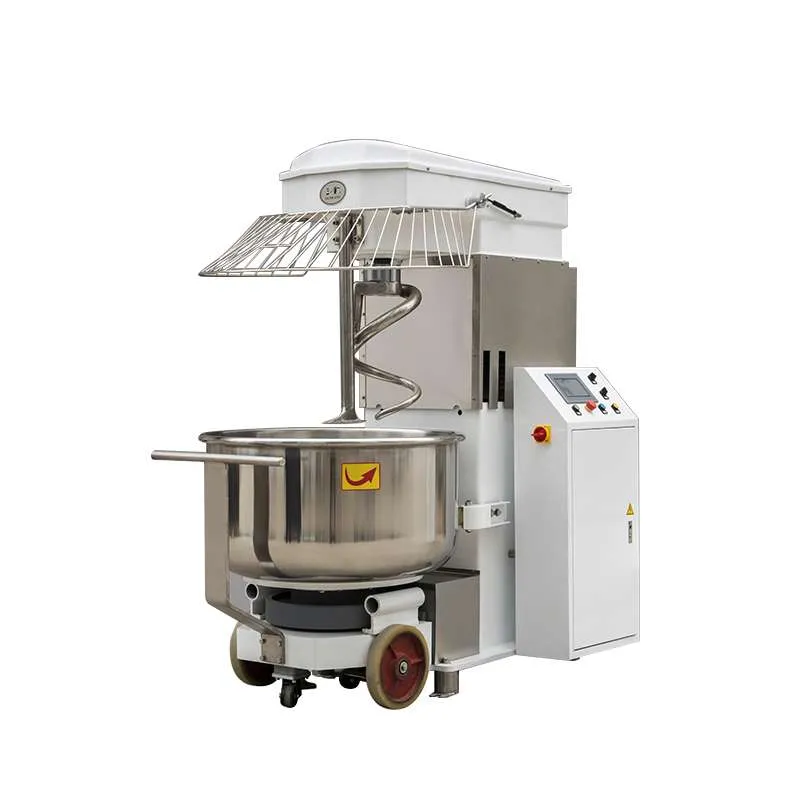
In today’s fast-paced food industry, automation and precision are key factors that determine efficiency and quality. The bucket tilting machine, a state-of-the-art equipment, has revolutionized the food field by introducing innovative features that greatly enhance the production process. Bakery Equipment 125kg 150kg Kneader Spiral Dough MixerThe mobile spiral mixer, which fixed with a trolley hook, and equipped with a fully enclosed safety cover (with anti-pinching function). The mixing hook is made of imported high-strength stainless steel and is heat-bent. The gap between the cylinder hook is uniform, which fully ensures that the dough is evenly gluten-forming. In addition, an automatic water-adding system can be provided to meet customers’ special customization requirements.
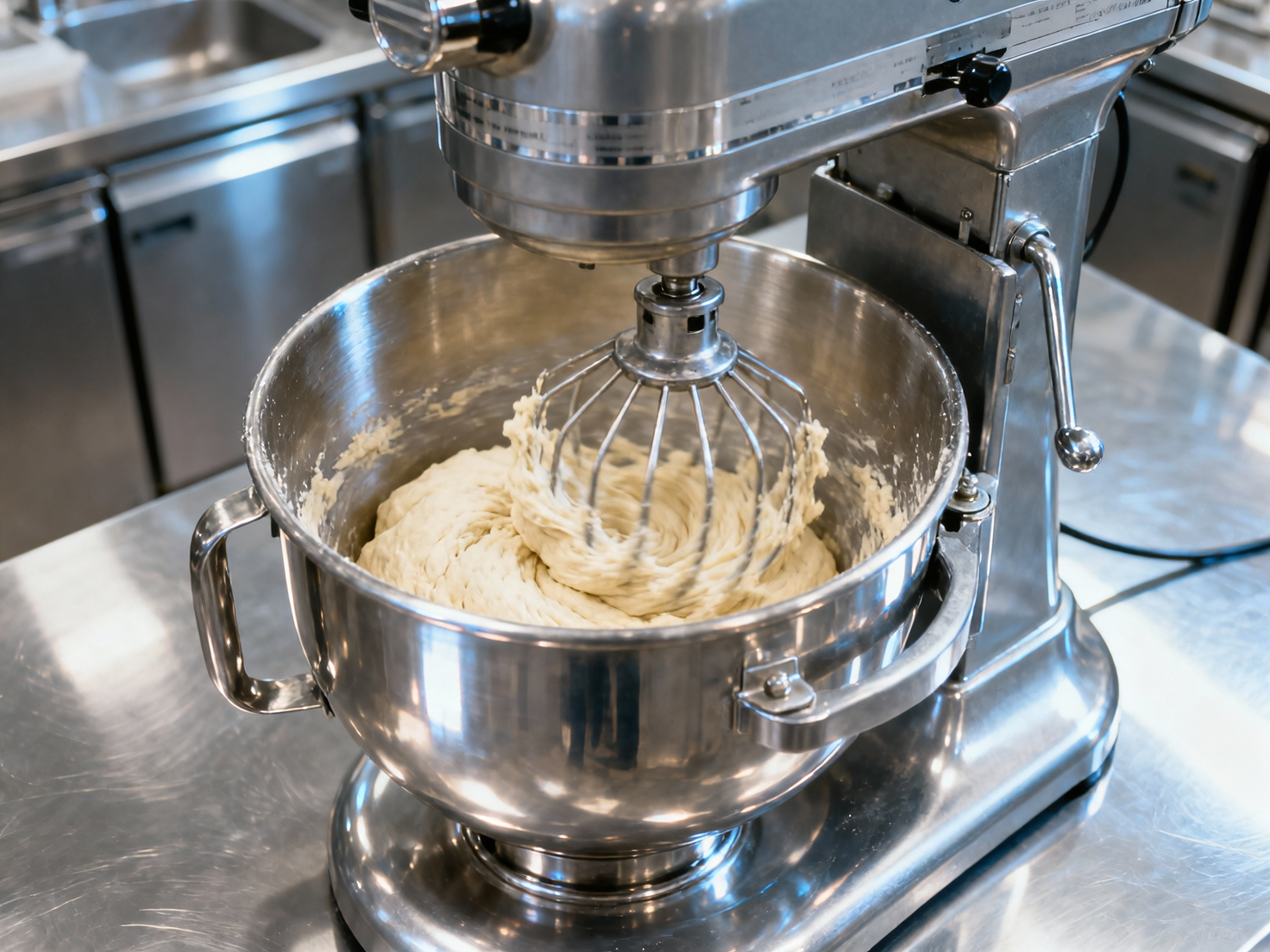
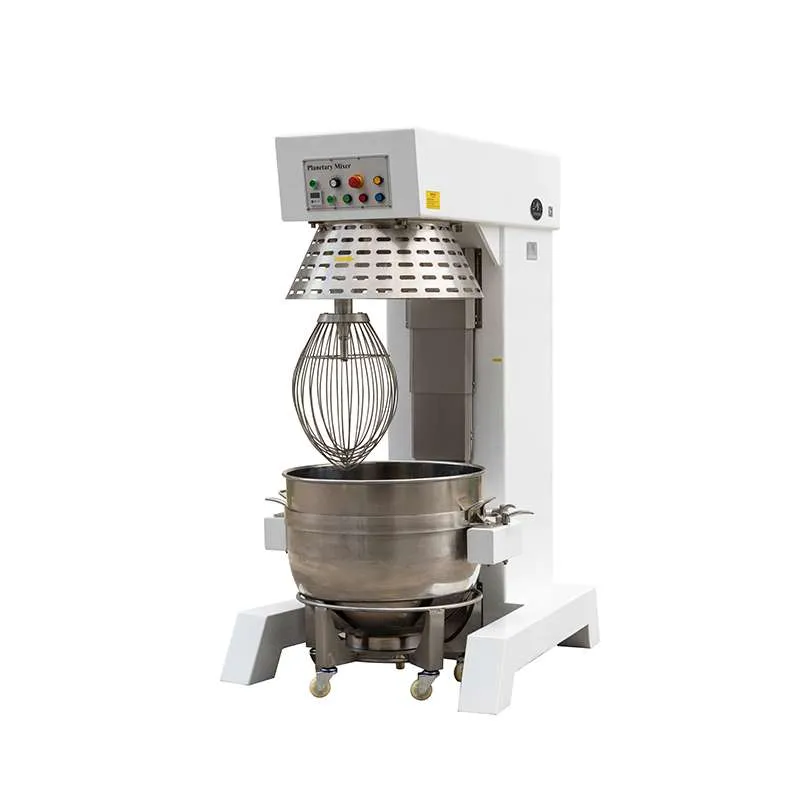
 Industrial Commercial mixer cake Dough Mixer planetary mixer for saleIndustrial Commercial mixer cake Dough Mixer planetary mixer for sale description:
In modern kitchens, efficient kitchen equipment is an indispensable assistant for chefs. Among them, the blender has become a versatile tool in the kitchen with its powerful functions and diverse applications. Among the many blender brands, the SKM-100L single ball kitchen blender has won the favor of chefs and cooking enthusiasts with its excellent performance and user-friendly design.
Please give us a message